Recipes tagged "Caraway seeds"
4 recipes found
-
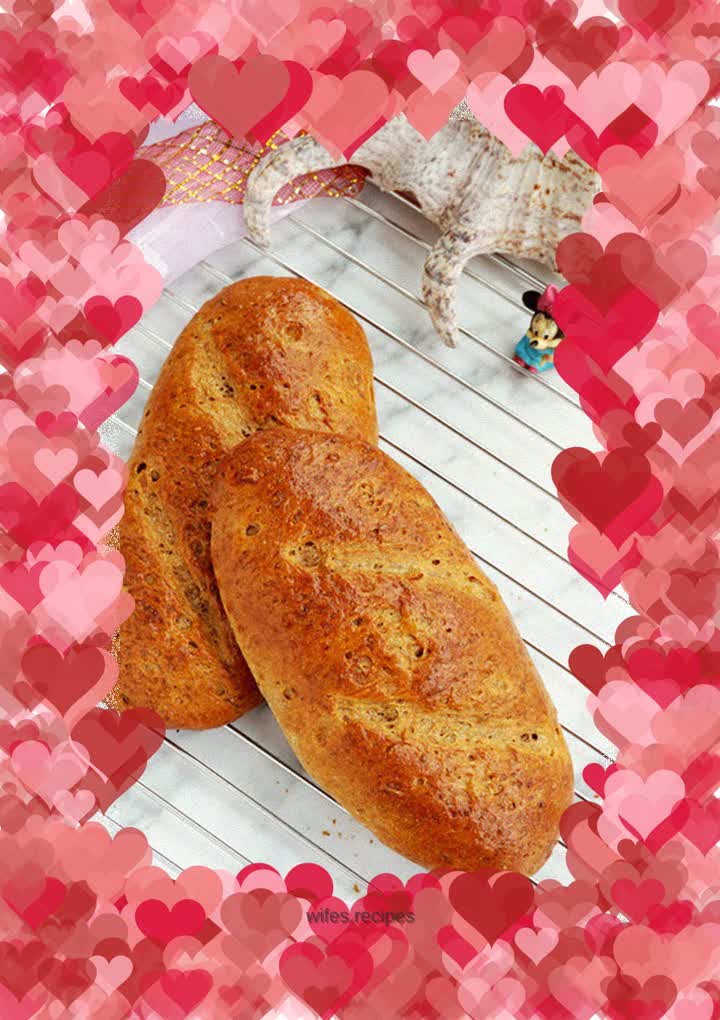
New York Deli Rye Bread
The best rye bread is made from a mixture of natural yeast starter and artificial yeast, which greatly enriches its taste. Onions are not a necessary addition and the bread tastes great with or without them, but in my recollection onions are part of a true deli rye bread. This is the first time I have seen onions added to the starter. I always thought that side dishes were added to the main dough. What do onions bring to the starter? Some people have never eaten rye bread without caraway seeds and assume the flavor of rye is the flavor of caraway seeds. In this recipe, caraway seeds are not required to be added. I recommend that you choose whether to add them according to your preference. Of course I have to add the caraway seeds I went shopping for for "The Apprentice Baker". Caraway seeds have a special flavor that is hard to describe and feels airy. I made two small loaves, which are actually about the same size as ordinary bread, but equivalent to the original size. These are really small loaves. Is this the only bread in "The Apprentice Baker" that is brushed with egg wash? The egg liquid makes the bread shiny and bright.
Baking Breakfast -
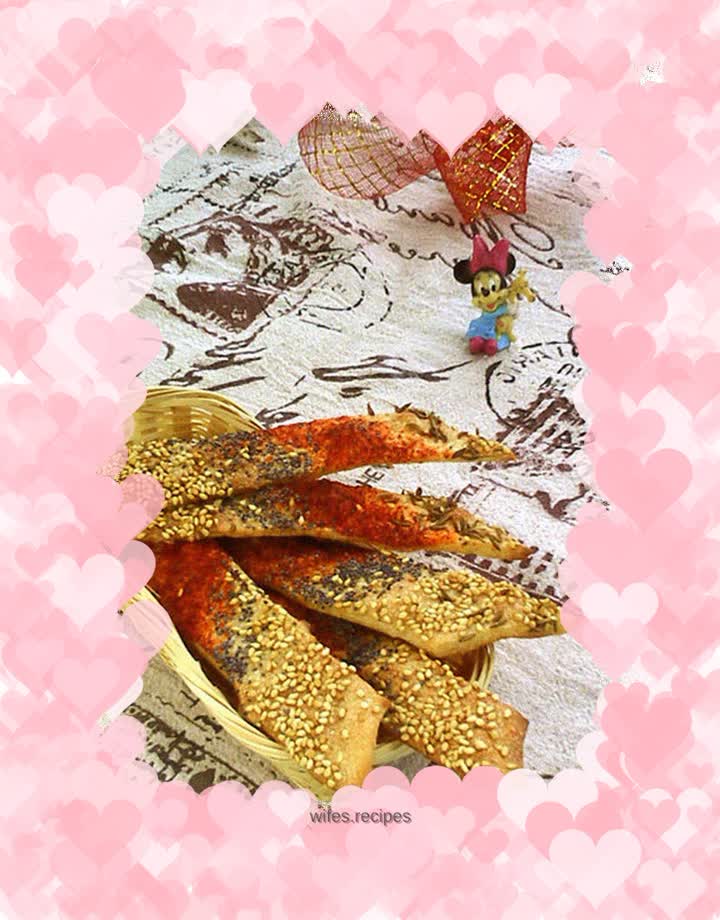
Armenian shortbread
"The Apprentice Baker" was interrupted for a long time, and I didn't know where to continue it for a while, or should I just put it away for a while? It's best not to put it down. Sometimes, in fact, many times, once you put it down, you can never pick it up again. Armenian shortbread, this flatbread was originally planned but had to be discontinued. Just start over from here. This is a simple recipe that produces Armenian shortbread that’s great for company meals and a favorite with the kids. Although Armenian shortbread is often referred to as American flatbread, it also has Iranian ‘ancestry’ and is now eaten by people around the world. It is very similar to other Middle Eastern and North African flatbreads, which go by various names, such as mankush or manash (Lebanon), barbari (Iran), kubiz or kuz (Arab countries), ash (Egypt), kester and myra (Tunisia), pat or pita (Turkey) and paidaha (Armenia). The main difference is the thickness of the dough, or the oven in which it's baked (or what it's baked in, as many flatbreads are baked in a stone or hot baking pan with a protruding surface). Some breads are pocket-like, like pita bread, and some are thicker and require dipping in spicy sauce, like Ethiopian and Eritrean injera. Armenian shortbread is one of the most popular varieties of these flatbreads, and the key to making it crispy is to roll out the dough paper-thin. You can cut the dough into chunks before baking, or break the shortbread into pieces after baking, which look great in the basket. It’s better to cut it into pieces before baking. Although the naturally formed irregular edges look more attractive, what if it breaks into pieces? Sure enough, it is a shortbread, crunchy and crispy. It's very fragrant, the chili pepper is a bit spicy, and the caraway seeds have an aromatic feel. . . .
Baking children -
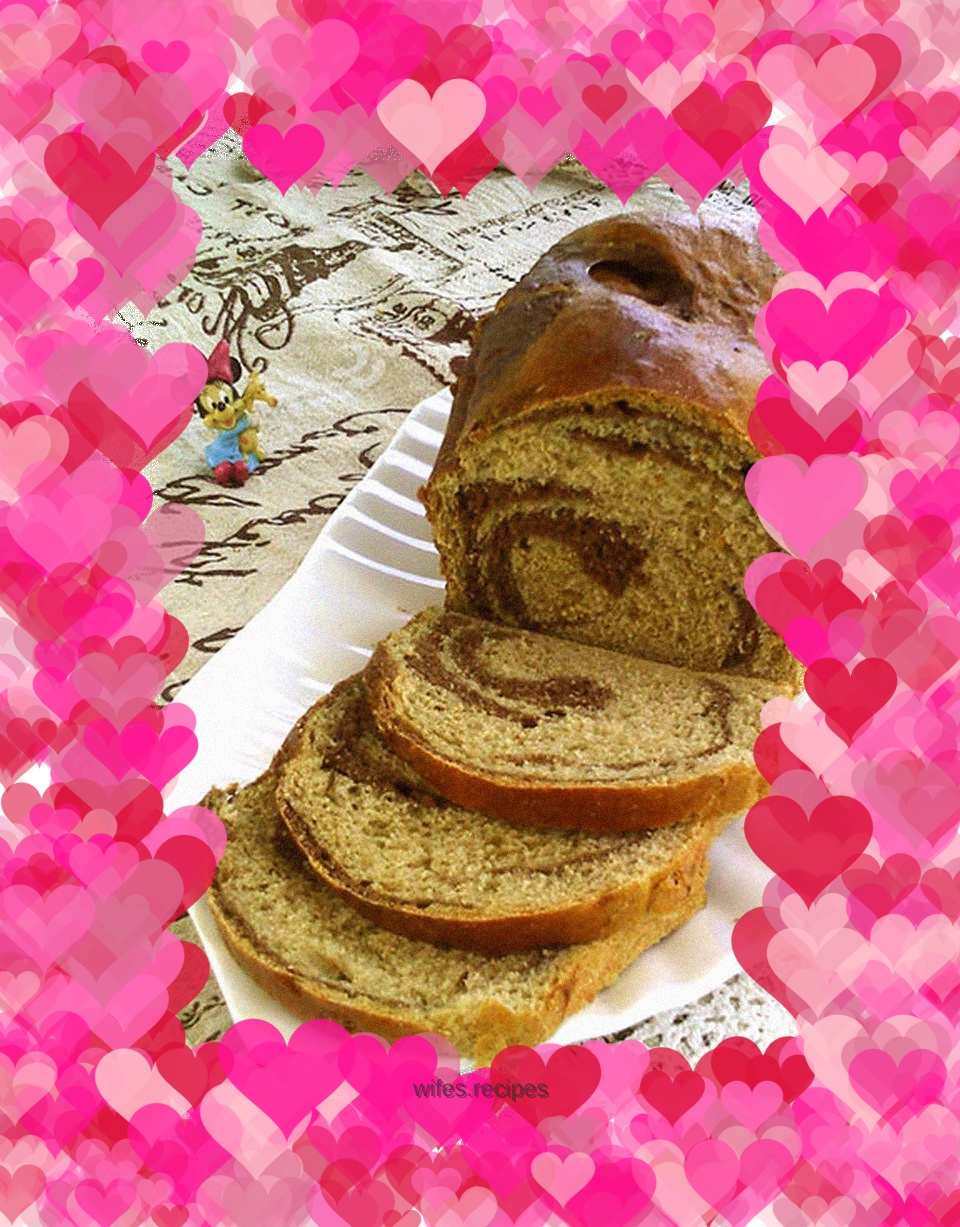
Marbled Rye Toast
If you look closely, you will see that each of the two kinds of dough uses 550 grams of flour to make 2-4 marble rye toasts, which is really a huge amount. The amount of one kind of dough is too much for people to eat, half and half is enough. When mixing 2 or more pieces of dough into 1 piece, the most important thing is that their texture and rising time must be basically the same. This ensures that each portion has the same texture and each piece of dough takes the same baking time. The author mixed and kneaded the two kinds of dough separately, and mentioned in the brief description of the process that the mixing result took 10-15 minutes. I'm not sure whether the bread machine can finish two kinds of dough in such a time, or I should follow the usual way of making two-color bread-knead a large dough first, cut it in half, and color one half. Fortunately, the two dough recipes are basically the same, and the only difference lies in the coloring. The caramel used for color is actually burnt sugar. While cocoa powder, coffee, or carob powder can be substituted for caramel, they will impart a bitter taste to the bread, which not everyone will like. However, caramel is not commonly used, and cocoa powder and coffee powder are readily available. Moreover, for people who don't like too sweet, the bitterness of cocoa and coffee is somewhat suitable. Caraway seeds (optional). Although optional, although the dosage is small. But its taste and its use elsewhere still make people want to buy some back. However, it is a confusing thing. The pictures on Taobao look like it is not much different from cumin, and some people call it Kelly fennel/caraway seed at the same time. Is it exactly cumin, or should I use cumin instead? But, its taste should be different from cumin, right? When baking rye bread, bakers often use gluten-free flour. You can also use regular bread flour or bread flour for this recipe, but it’s best to use purified flour if you have it. Gluten cleansing powder? This flour is usually milled from very tough high protein wheat? Could this be understood as bread flour with a relatively high gluten content? Maybe this bread flour from Bakery Shang can be used as gluten-washing flour? The multigrain bread I made last time seemed to have pretty good texture. This bread is very easy to make and the dough is soft and flexible. Rye flour accounts for about one-third. I gritted my teeth and watched it ferment for 2 hours. It didn't seem to be tired, but it had not grown to the edge of the mold. This is probably the difference between rye bread and white bread, right? Caraway seeds, something that people have always been curious about, emit a unique smell as the bread knife is pulled back and forth when the bread is cut. Like cumin+mint? Or, is it spearmint?
Baking children -
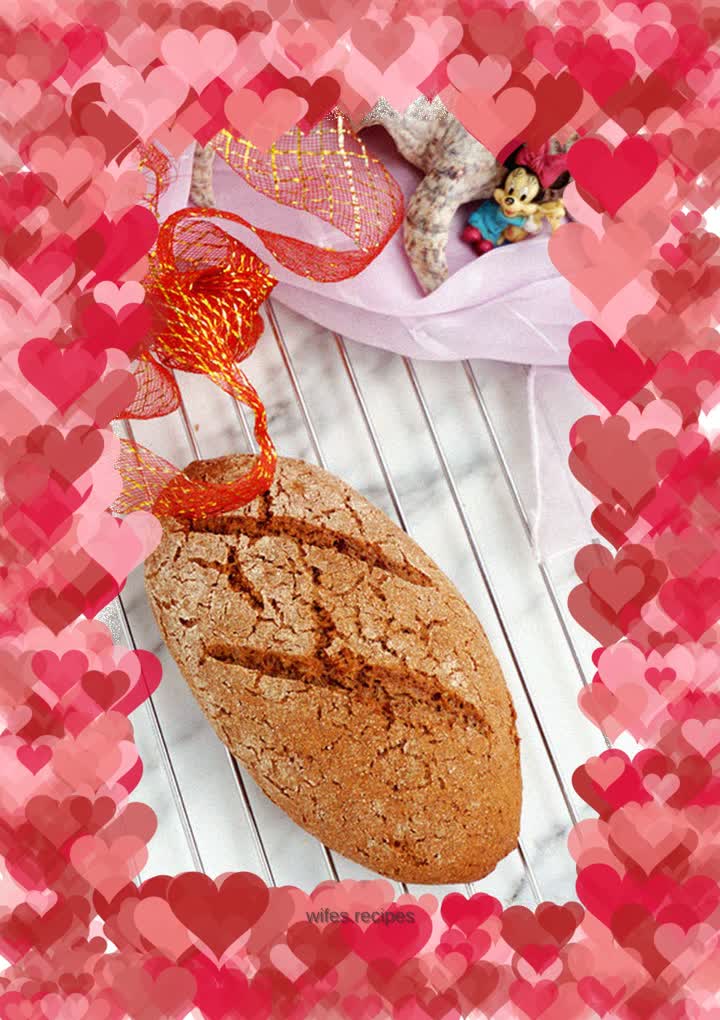
100% sourdough rye bread
There are many recipes for making rye bread, but few use 100% rye flour. Rye contains a special kind of gluten, but the content is very small (only 6%-8%). Therefore, it is difficult to form the structure of bread. It is difficult to make better bread without adding a large amount of high-gluten flour. There’s a lot of knowledge packed into sourdough rye bread. Rye flour is high in natural sugars and dextrins, as well as pentosan, which increases the strength and extensibility of the protein and can make the dough sticky if mixed for a long time, as you would for wheat bread. In addition, natural yeast starter can provide an acidic environment and slow down the speed of enzymes breaking down sugar during the mixing process. During fermentation, enzymes gradually release the sugars in the grains. If mixed and fermented, the bread will taste sweet and creamy, and the chew will be very different from other breads. It seems that I caught a glimpse of something wrong with my bread in this passage, but I don’t know if the cracks on the surface of the bread are normal, and I don’t have a picture to show it. This bread is best made with a variety of rye flours, from fine gluten-free rye flour to coarse rye and even cracked rye. This recipe uses a blend of grains and a suitable soaking solution to increase enzyme activity. There weren't that many kinds of rye flour, so I had to stick to the only rye flour I had on hand. What difference the results will make, only God knows. . . . Since the dough contains very little gluten, the crumb is very firm and doesn't have the large, irregular holes found in standard hearth-fired bread. It is indeed a very dense bread, and people who don’t like whole grains probably won’t like it too much. . . . .
Baking old man