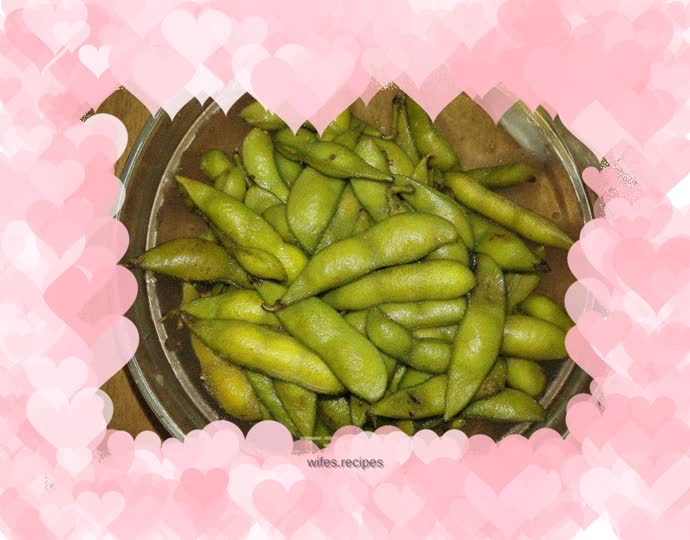
Boiled edamame with brine potatoes
The meaning of soybeans includes soybeans and edamame. The scientific name is soybean, commonly known as edamame. Soybeans were called Shu in ancient times. Soybeans are the general name for soybeans of various colors such as yellow, green, black and brown. It has a cultivation history of more than 5,000 years and originated in southern China. About 90% of the crops grown in China are soybeans. Edamame is fresh soybeans with pods. After being dried, they are also called soybeans. Fresh soybeans with pods have been cultivated for more than 5,000 years. When eating, have a plate of edamame and drink some beer. It tastes particularly good. Edamame is rich in fiber and has great benefits for the human body. In the past, many people thought that celery stalks had the highest fiber content, but in fact, edamame was the well-deserved number one [3]. Nutritional highlights: Edamame is not only rich in plant protein, but also has very high potassium and magnesium content. It is particularly rich in vitamin B and dietary fiber. It also contains saponins, phytic acid, oligosaccharides and other health ingredients, which are very good for protecting cardiovascular and cerebrovascular and controlling blood pressure. In addition, eating edamame in summer can also prevent malnutrition, low physical fitness, and susceptibility to heatstroke due to excessive sweating and loss of appetite. What’s more worth mentioning is that the dietary fiber content of young edamame is as high as 4.0%, while the fiber content of celery sticks, which has always been considered the fiber champion, is only 1.2%. Some other well-known high-fiber vegetables have lower fiber content than edamame, such as kale with 1.6%, spinach with 1.7%, amaranth with 1.8%, broccoli with 1.6%, and leeks with 1.4%. From this point of view, edamame is worthy of being the fiber champion among vegetables.
Hot dishes
Home cooking