Recipes tagged "Fermentation starter"
12 recipes found
-
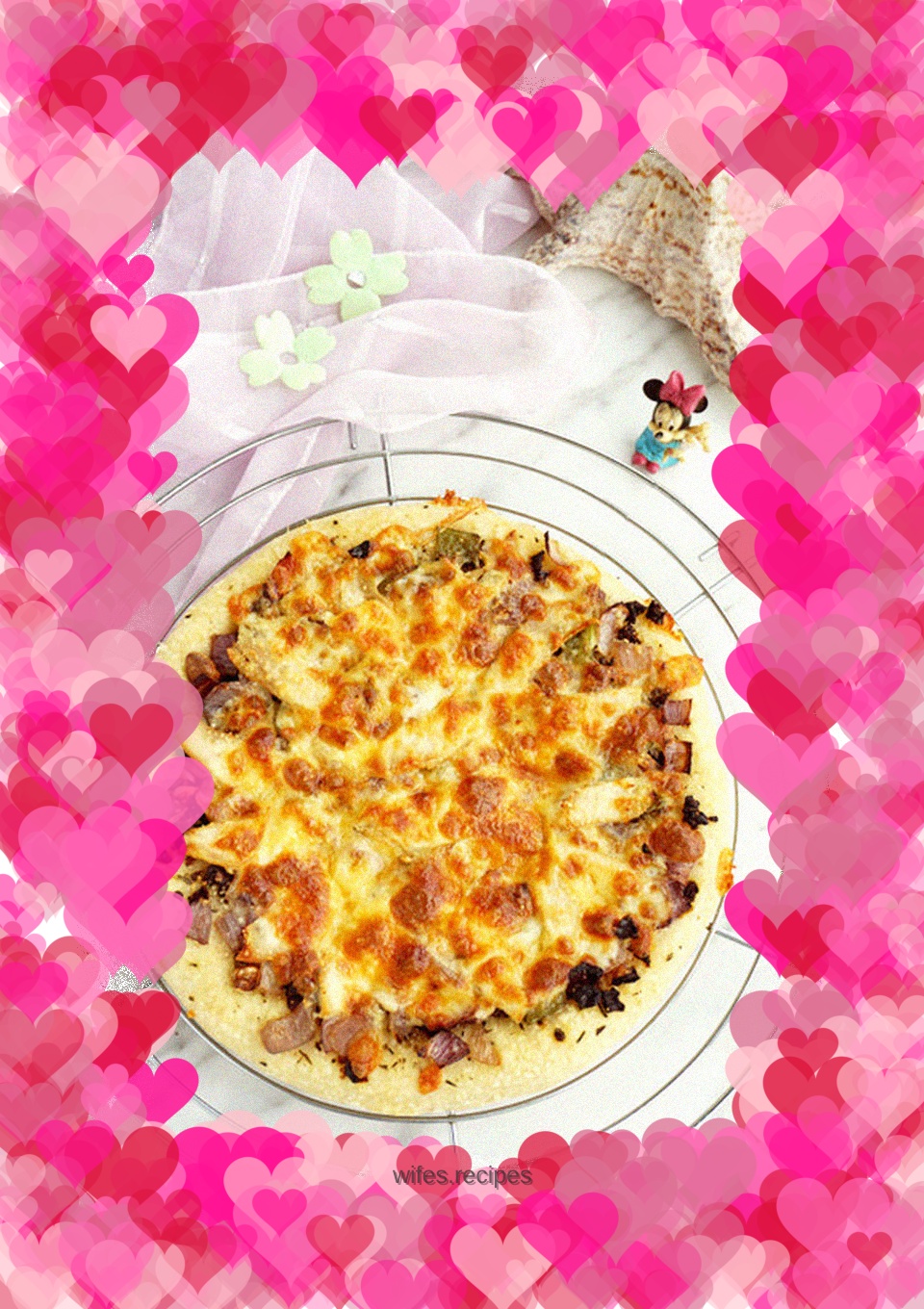
Pizza Focaccia
The natural yeast in the refrigerator has been sleeping for a long time, so I took it out to grow and then replaced the Polish yeast to make this pizza focaccia. Pizza focaccia is much richer in decoration than Naples. I designed three kinds of decorations, which need to be added before the dough is proofed (pre-proofing), those that need to be added before baking and those that need to be added during the baking process (during baking), the latter is usually added in the last few minutes. Some garnishes—such as sun-dried tomatoes, olives, and nuts—need to be wrapped in the dough, which prevents them from burning and falling off. Some ingredients are less fragile and can be placed directly on the dough, such as high-moisture cheeses (such as blue cheese) and meat slices, because they will not fall apart during fermentation. Ingredients that need to be added to the baking are usually cheeses that burn easily, such as shredded cheese. Take a look at the decorating material suggestions listed in the book and try to use whatever you can get your hands on. In fact, I am worried that the chicken breast, which has little oil content, will be roasted into jerky. I still follow the recommendations in the book and put the meat in before baking, hoping that it will not be burnt. Looking at the size, I suddenly thought of a 9-inch pizza pan, which is just right for use. I have been making small portions of bread, so these large molds have almost no use. They have been idle for a long time and rarely come out to see the light of day. The advantage of using a mold is that the finished product has a regular shape and is much rounder than the previous two Neapolitan pizzas. I was shocked when I saw the temperature settings in the book. Preheat the oven to 288°C, and if possible, preheat to 316°C. Calm down and set the oven to the highest temperature of 270 degrees. There should be no problem, right? After baking for 5 minutes, when the dough seemed to be coloring, I took it out and put cheese on it. Hopefully the bread and cheese will be of the same color this time. But no, the cheese was already golden brown and the bread was only light yellow. It turns out that the dough needs to be colored so slowly? The color of the cheese cannot be any darker, and the bread can only be left as it is, looking particularly white against the color of the cheese. . . The skin is quite crispy and can be broken if you don't pay attention.
Baking old man -
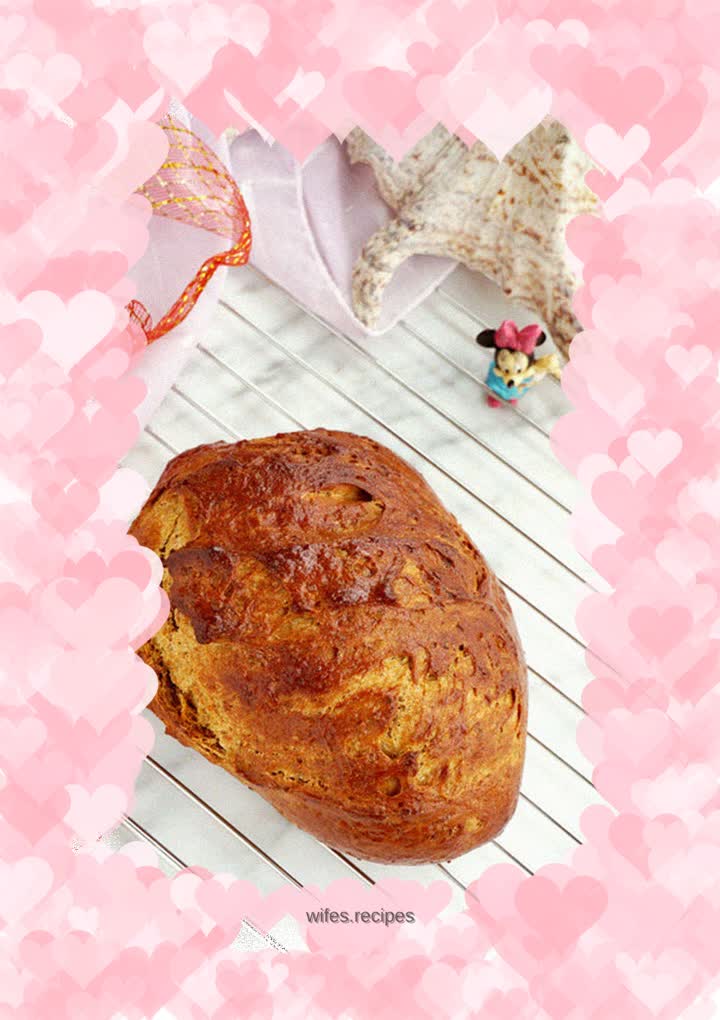
Swedish rye bread
This rye bread uses licorice-flavored anise and cumin, as well as orange peel and a hint of cardamom, so we can totally think of it as a bread version of ouzo. Today, nutritionists have proven that orange peels, licorice-flavored spices, and bitter foods are good for digestion, and many traditional cultures have recognized this for centuries. This bread is made from a mixture of natural sourdough starter and artificial yeast, so it has a richer flavor than those left solely with artificial yeast. The lactic acid produced by fermentation not only digests the flour in advance to a certain extent, but also makes the bread taste better and have a longer shelf life. That anise powder has always made people feel confused. I don’t know what kind of plant it corresponds to, and I haven’t been able to find this spice product. In the end I had to omit it. On the eve of making bread, I reluctantly searched Taobao. I still didn’t see anyone selling anise powder, but I found that under some pictures of plants, the names of anise and goosefoot were listed side by side. Although it is still impossible to connect the goosefoot with a specific plant image, the name is much more familiar than anise. There was no dried orange peel, so I found a piece of dried orange peel instead. I was worried that the taste of orange peel would be different from orange peel, so I added some orange zest. Besides, it didn’t say it was dried orange peel. If it was a whole piece of orange peel, it should be removed after cooking, right? I didn't find the answer to this, so I just took it upon myself to throw away the boiled orange peel. Stir all the ingredients into a ball, knead for only 4 minutes, and still be able to pull out the film, which seems a bit difficult. After you can barely pull out the dough, stop quickly, because the entire kneading process needs to be completed within 6 minutes. Do not over knead the dough, otherwise the rye dough will be very sticky. I was thinking about whether to use a toast box to make the bread into the shape of a sandwich bread, but suddenly I discovered that most breads are cut before baking, and breads cut before final proofing (such as Swedish rye bread) are different in appearance. During the expansion process, the Swedish rye bread's incisions are filled in, causing them to expand outward. As it bakes, the cut appears to have healed, which makes the crust a different color from the cut. With just two lines, I immediately changed my mind. The bread is shaped into shuttles, cut, fermented, then brushed with egg wash and baked. The opening of the incision was completely flattened, leaving only a few holes. The crust of the bread couldn't hold its strength and was somewhat torn. The whole shape is like a jagged rock, but the egg liquid makes it glow, which makes it look really strange. . . .
Baking Breakfast -
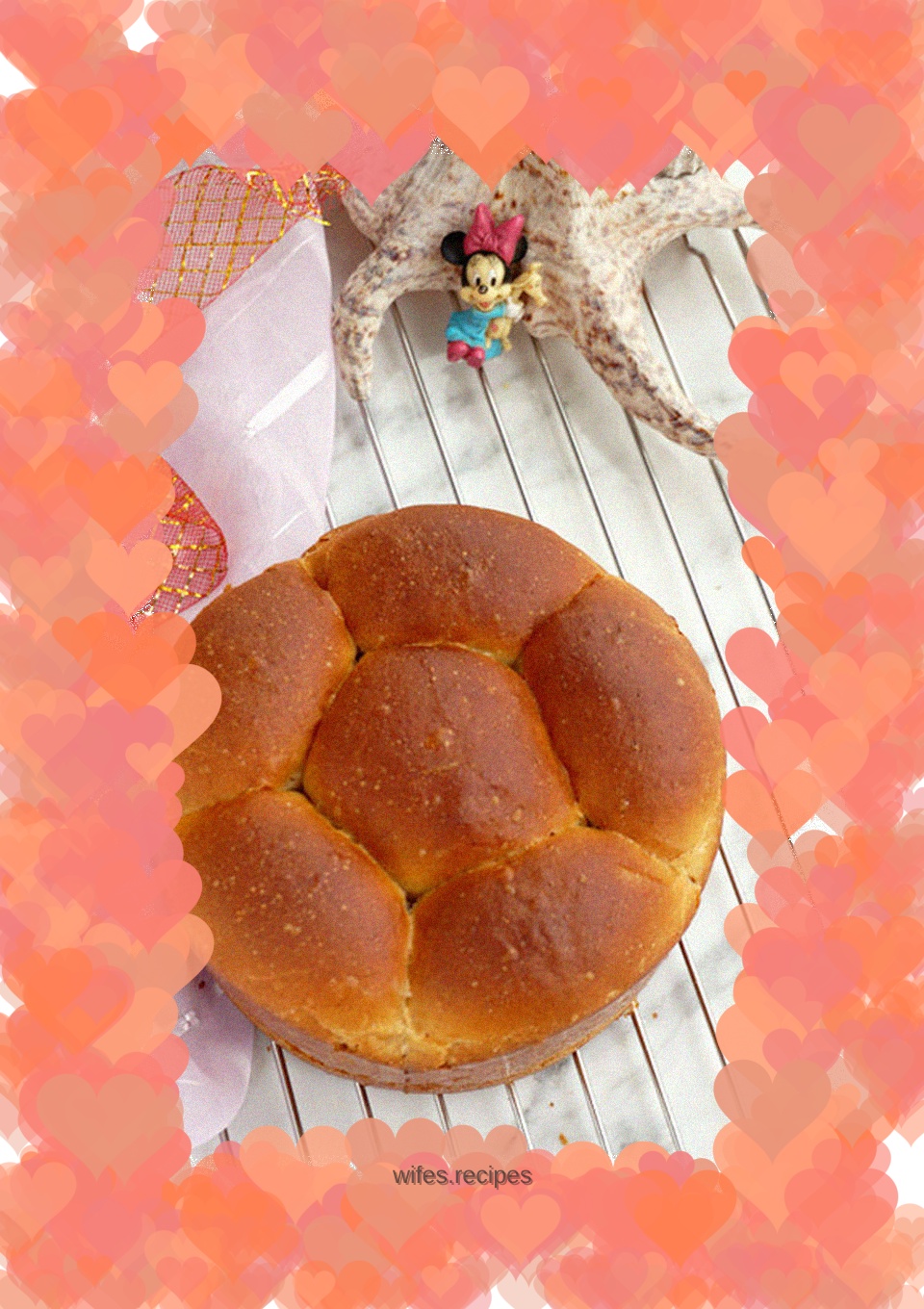
Naturally leavened Greek religious holiday bread
The Greek religious festival bread in "The Apprentice Baker" can use either a fermented starter or a Polish starter. When there was no natural yeast, Polish starter was naturally used. Now that I have a fermented starter, I can’t help but turn it out again and perform it again with a fermented starter. This festive bread is full of rich spices and fruity flavor. I have always liked it. When using Polish starter, I rolled it into a ball. Now I want to change the shape, but I can't think of any easy way. Finally, I had an idea and simply divided a few small balls and put them into the cake mold to let them grow into deep and thick flowers. It seems to work well too. . . . .
Baking Allspice powder -
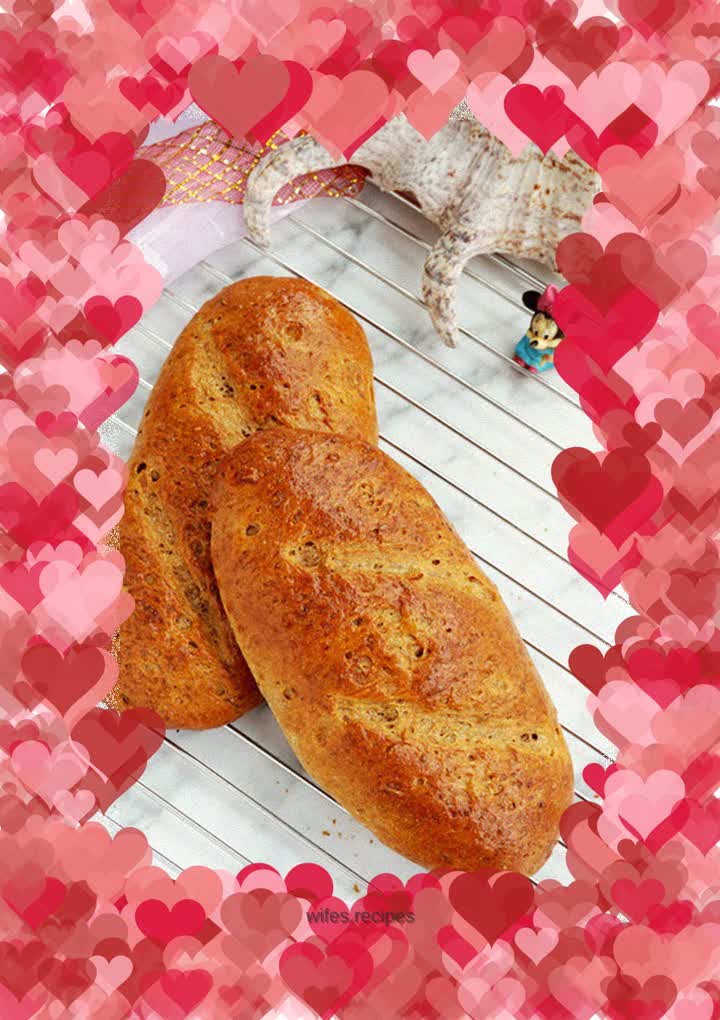
New York Deli Rye Bread
The best rye bread is made from a mixture of natural yeast starter and artificial yeast, which greatly enriches its taste. Onions are not a necessary addition and the bread tastes great with or without them, but in my recollection onions are part of a true deli rye bread. This is the first time I have seen onions added to the starter. I always thought that side dishes were added to the main dough. What do onions bring to the starter? Some people have never eaten rye bread without caraway seeds and assume the flavor of rye is the flavor of caraway seeds. In this recipe, caraway seeds are not required to be added. I recommend that you choose whether to add them according to your preference. Of course I have to add the caraway seeds I went shopping for for "The Apprentice Baker". Caraway seeds have a special flavor that is hard to describe and feels airy. I made two small loaves, which are actually about the same size as ordinary bread, but equivalent to the original size. These are really small loaves. Is this the only bread in "The Apprentice Baker" that is brushed with egg wash? The egg liquid makes the bread shiny and bright.
Baking Breakfast -
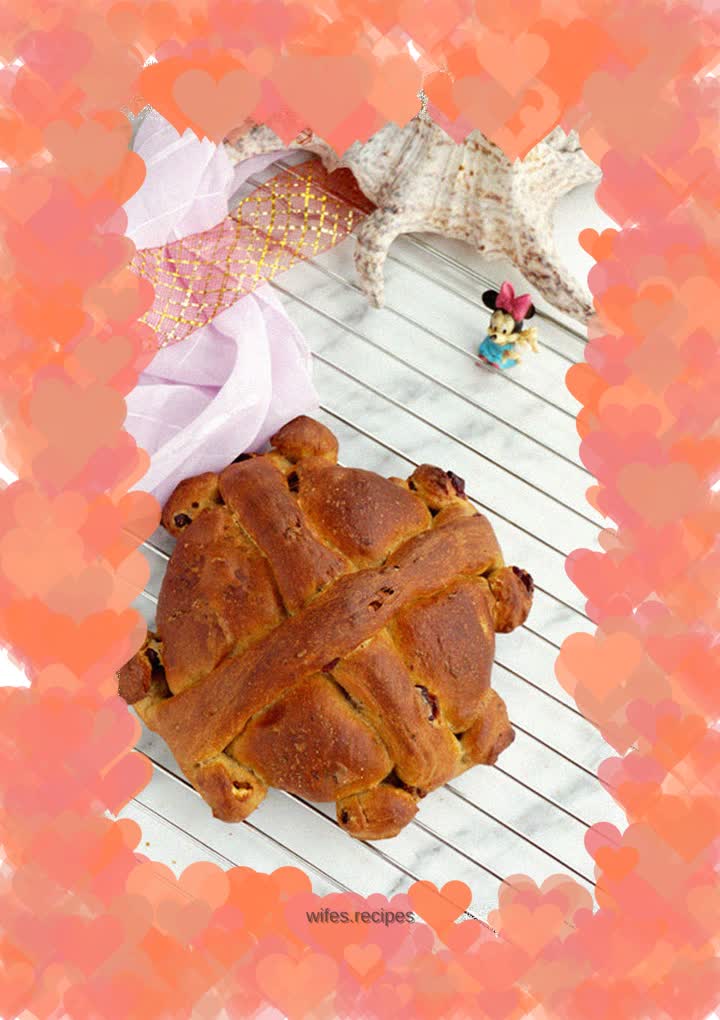
Natural yeast Christopher
One of the Greek religious holidays. I once made an artificial yeast version, and now I’m recreating it using natural yeast. At that time, there were no walnuts, so I had to use pumpkin seeds instead. Now that walnuts are available, I just want to make a complete version. According to the original recipe, divide the dough into three parts: 1/3 small dough + 2/3 large dough. When shaping, I felt that 1/3 of the small dough was a bit insufficient. It was a bit too thin when rolled into strips. When the two ends were separated and rolled up, it seemed a bit too thin. Make it again, make your own decision, divide it into 2/5 small dough + 3/5 large dough. The final shape looks quite satisfactory. There is no suspense. The bread exudes a strong aroma of spices, mixed with dried fruits and walnuts, and tastes particularly delicious.
Baking Breakfast -
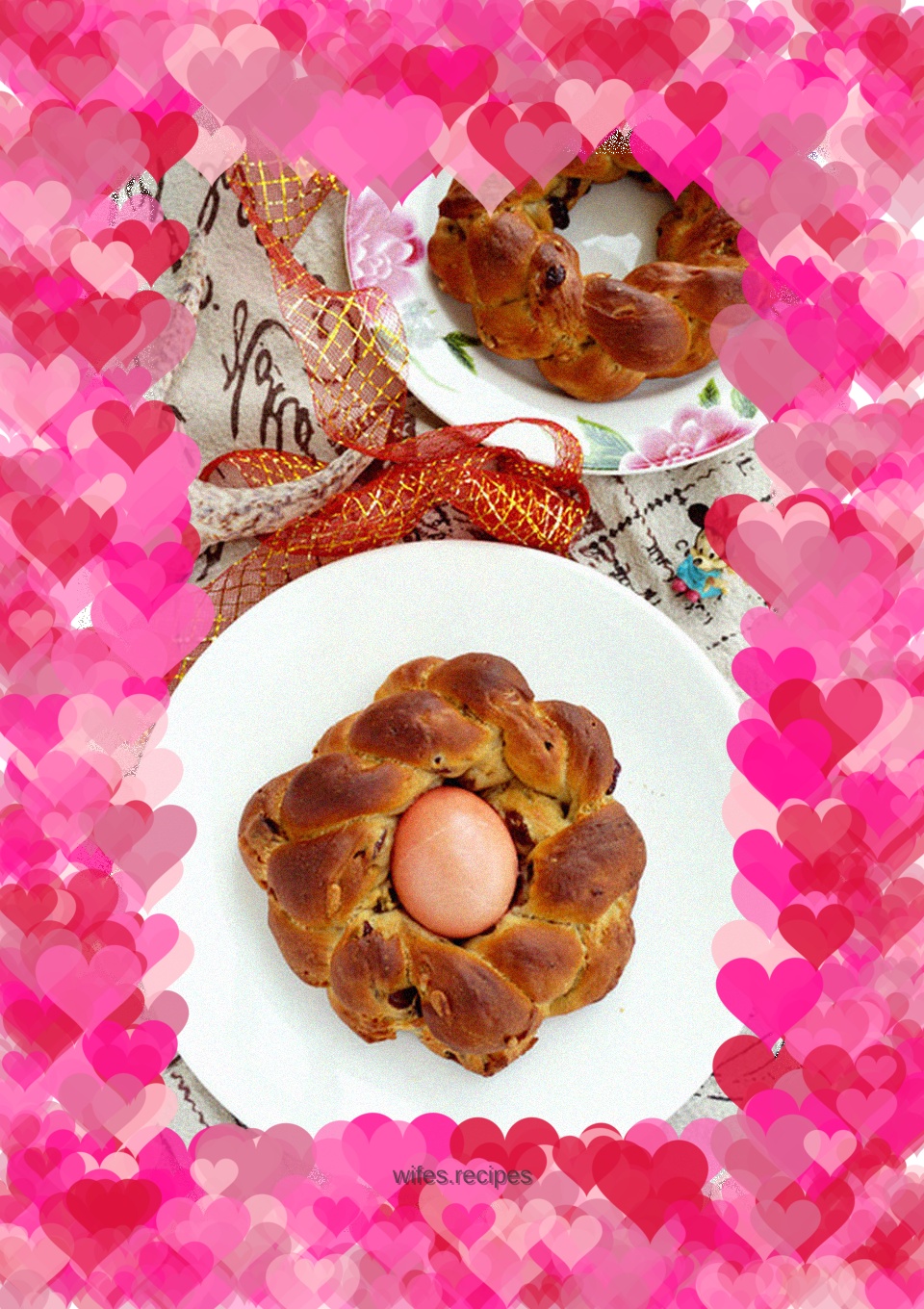
Naturally leavened Greek Easter bread
Only one brown egg was prepared. I originally wanted to make a braid circle, with the brown egg hooped in the center, like a embedded ruby. However, I changed my mind temporarily. If you don't mind it, braid two small braids and make two circles. In this way, only one circle has an egg, and the other one has to be empty, allowing it to be a ring. Or, the two rings should meet each other to form a figure 8, but there is still one egg missing. It doesn't matter whether you eat it yourself or not. I used natural yeast to make this Easter bread, and the effect seems to be just as good.
Baking Breakfast -
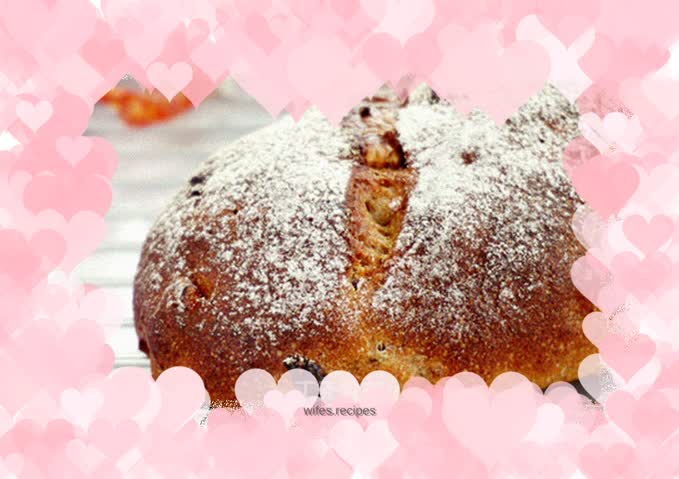
Natural yeast red wine longan buns
There is germ, longan, red wine, and most importantly, natural fermentation is in urgent need of use. I immediately fell in love with this European bag. The operation is very simple, no need to knead the dough, just stir, let it sit, stretch and fold, and then you can shape the hair. Cut the portions and make a smaller version. If there is no rattan basket, place it directly on the baking sheet, sprinkle flour on the surface and cut the buns to replace the buttoned appearance. The fire seems to be a bit stronger, the color is particularly dark, and the dried fruits on the surface are even blacker, but it tastes very delicious. . . .
Baking Breakfast -
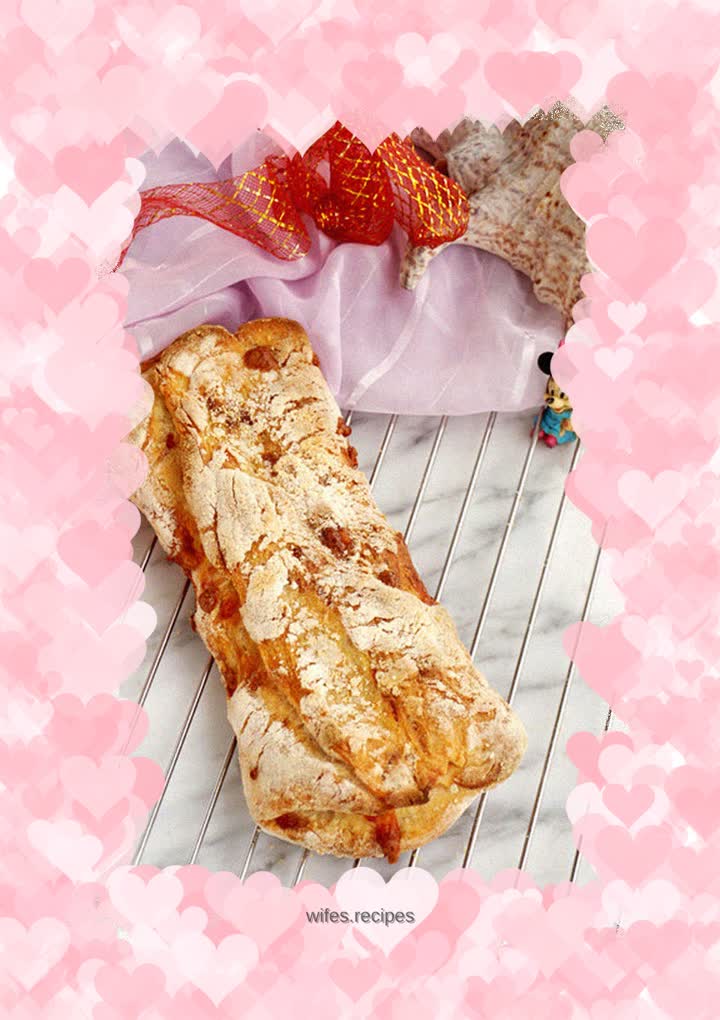
Natural yeast cheese ciabatta
Revealed the unfinished "The Apprentice Baker" again. I always remember that there are two types of ciabatta left to make, so let’s proceed in order, starting with the cheese ciabatta. I originally wanted to just follow the diagram and make an Italian-style cheese ciabatta, but suddenly I realized that I could use natural yeast to replace the Polish starter. I immediately threw away the Italian-style starter version of ciabatta and turned to look at the Polish starter ciabatta. Take out the sleeping yeast in the refrigerator, feed it until it is full of energy, and use it according to the dosage of Polish starter. The rest goes back to sleep in the refrigerator, waiting for the next call. Among the several cheese names listed, three common and easily available varieties were selected, chopped and mixed, and stuffed into the sandwich layer of dough during the stretching-folding process. There was a lot of cheese, and from time to time it would fall out of the dough and get stuffed back in again. Flour is like snow, piled thickly on the surface of the dough. The heated cheese flows out of the holes in the dough, bubbles, and eventually burns and hardens. The dough has a golden crust on the surface and looks very crispy and appetizing. . . .
Baking Breakfast -
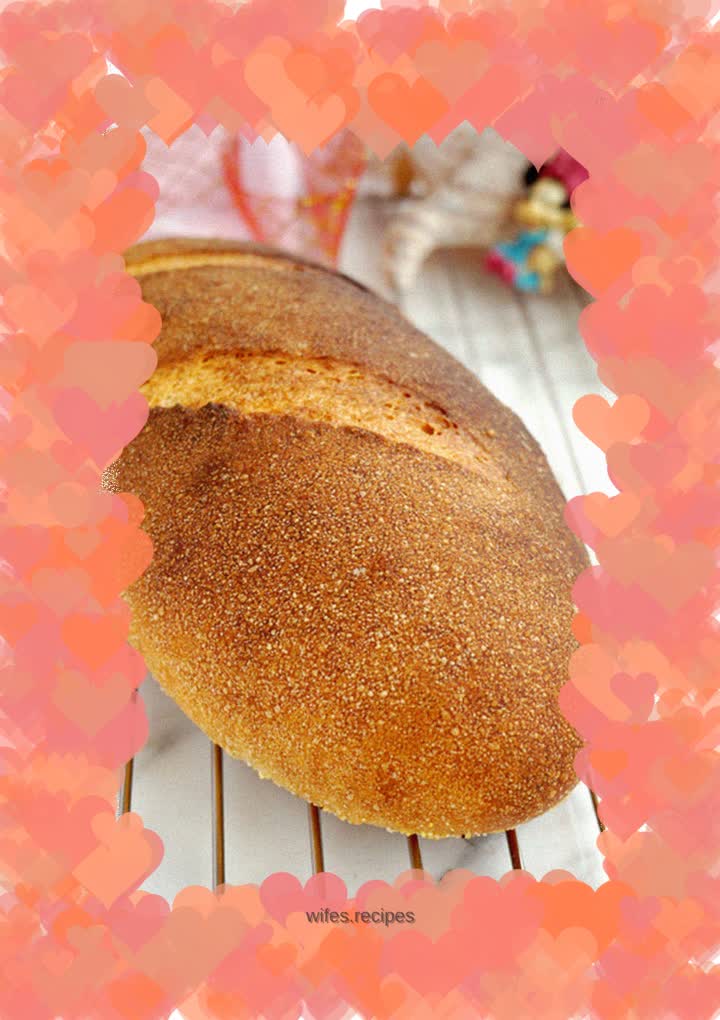
Basic Sourdough Bread
The first sourdough bread from "The Apprentice Baker". The ingredients are as simple as steamed buns, flour, salt, and water. First use the foaming starter to make the solid starter, and then use the solid starter to make the dough. The fat, white dough is also reminiscent of giant steamed buns. Among several recommended shaping methods, the torpedo shape was chosen. It's easier to just make two cuts when you grow up. It's such a big, white shuttle. I was reluctant to cut deeply, but when I baked it, I found that the edge of the knife was still too shallow and did not make a big opening. But the color is so attractive. Thick and crispy on the outside, soft on the inside, chewy and delicious. . . .
Baking Pregnant women -
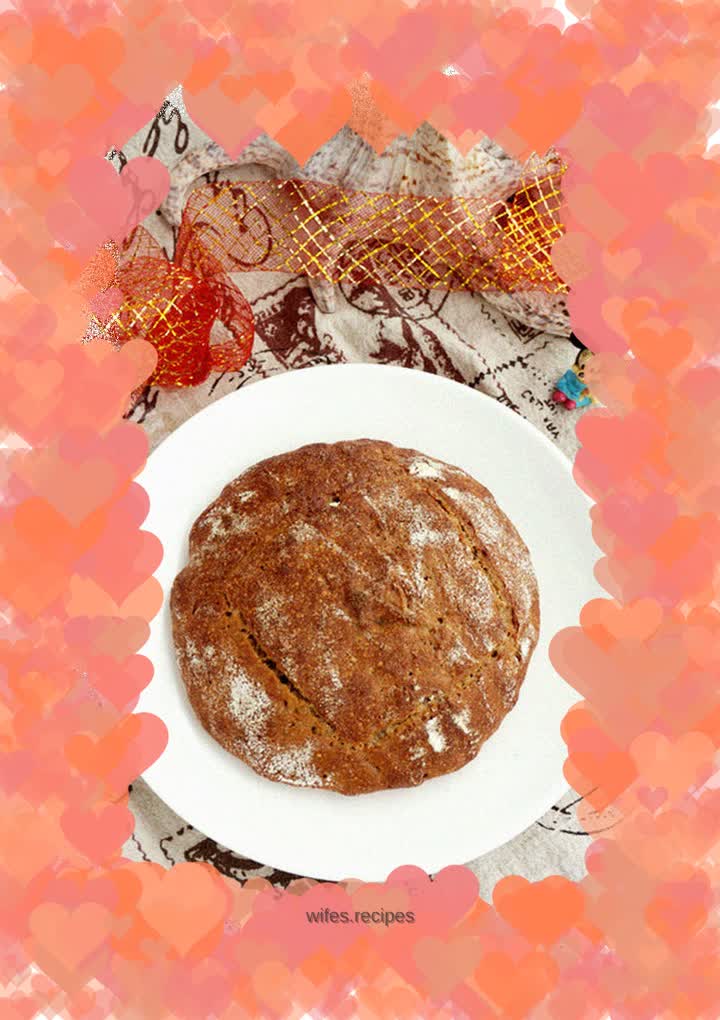
Natural leavened Puvarana bread
The most famous baker in the world is none other than Lionel Povarana. His bakery in Paris only bakes a few varieties of bread. The most famous is a round country bread, weighing 2kg, made by natural fermentation (natural yeast). He called it a flatbread, but everyone else called it a pwarana. This bread is indeed too big. Nearly 1kg of flour is used in the main dough, which is eye-popping. Not to mention whether it can be stuffed in the oven, just imagining the size of the giant bread, I already feel that my stomach is going to burst. How many months of rations will it take? . . . . Puvarana uses organically cultivated whole wheat flour, sifting out part of the wheat bran, and the extraction rate is 90%-95% (that is, most of the wheat bran still remains in the flour). The texture of the baked bread is dense and chewy. You can feel the taste change in your mouth with every bite. This bread can be stored at room temperature for a week. What exactly is the sifted medium ground whole wheat flour in the recipe? I remembered that the whole wheat flour that was sold loosely in the market had coarse particles. Could it be considered medium grinding? I sifted it through the finest mesh sieve at hand. I was almost going to use it as the sifted medium-ground whole wheat flour, but suddenly I thought that maybe this flour was not high in gluten and might not be able to form a film. So I dug out some more and replaced it with commercially available whole wheat bread flour. As a result, the dough was just barely able to form a film, and the whole dough looked rough. Maybe the whole wheat flour was too coarse. But the dough eventually rises and sears to a golden brown. It looks very rough, and the skin is particularly fragrant. . . . .
Baking students -
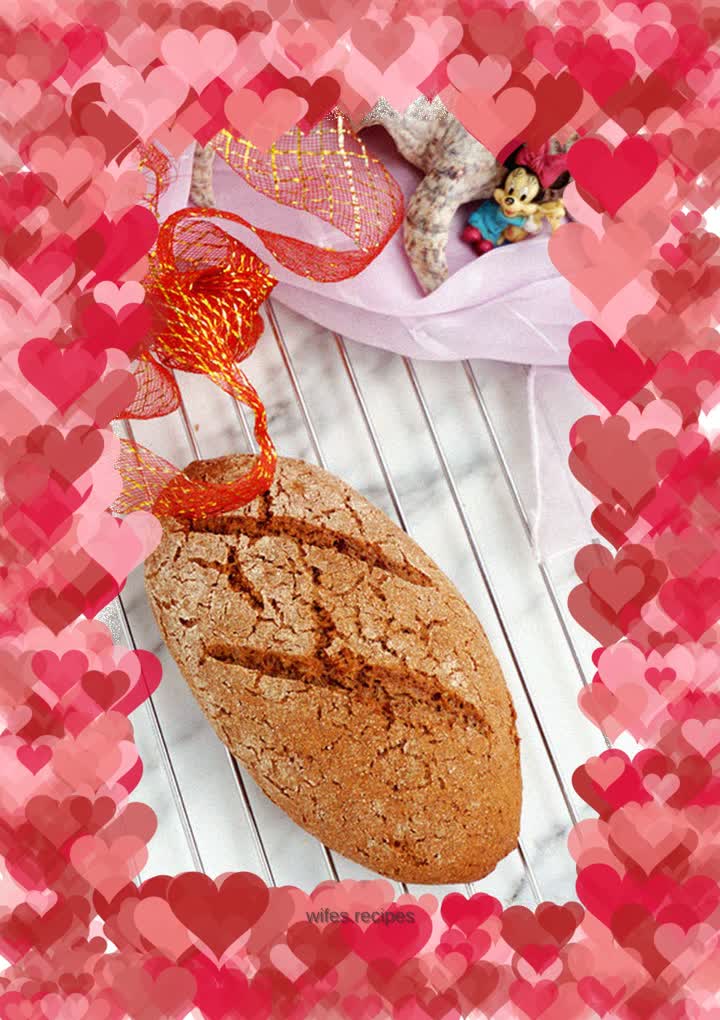
100% sourdough rye bread
There are many recipes for making rye bread, but few use 100% rye flour. Rye contains a special kind of gluten, but the content is very small (only 6%-8%). Therefore, it is difficult to form the structure of bread. It is difficult to make better bread without adding a large amount of high-gluten flour. There’s a lot of knowledge packed into sourdough rye bread. Rye flour is high in natural sugars and dextrins, as well as pentosan, which increases the strength and extensibility of the protein and can make the dough sticky if mixed for a long time, as you would for wheat bread. In addition, natural yeast starter can provide an acidic environment and slow down the speed of enzymes breaking down sugar during the mixing process. During fermentation, enzymes gradually release the sugars in the grains. If mixed and fermented, the bread will taste sweet and creamy, and the chew will be very different from other breads. It seems that I caught a glimpse of something wrong with my bread in this passage, but I don’t know if the cracks on the surface of the bread are normal, and I don’t have a picture to show it. This bread is best made with a variety of rye flours, from fine gluten-free rye flour to coarse rye and even cracked rye. This recipe uses a blend of grains and a suitable soaking solution to increase enzyme activity. There weren't that many kinds of rye flour, so I had to stick to the only rye flour I had on hand. What difference the results will make, only God knows. . . . Since the dough contains very little gluten, the crumb is very firm and doesn't have the large, irregular holes found in standard hearth-fired bread. It is indeed a very dense bread, and people who don’t like whole grains probably won’t like it too much. . . . .
Baking old man -
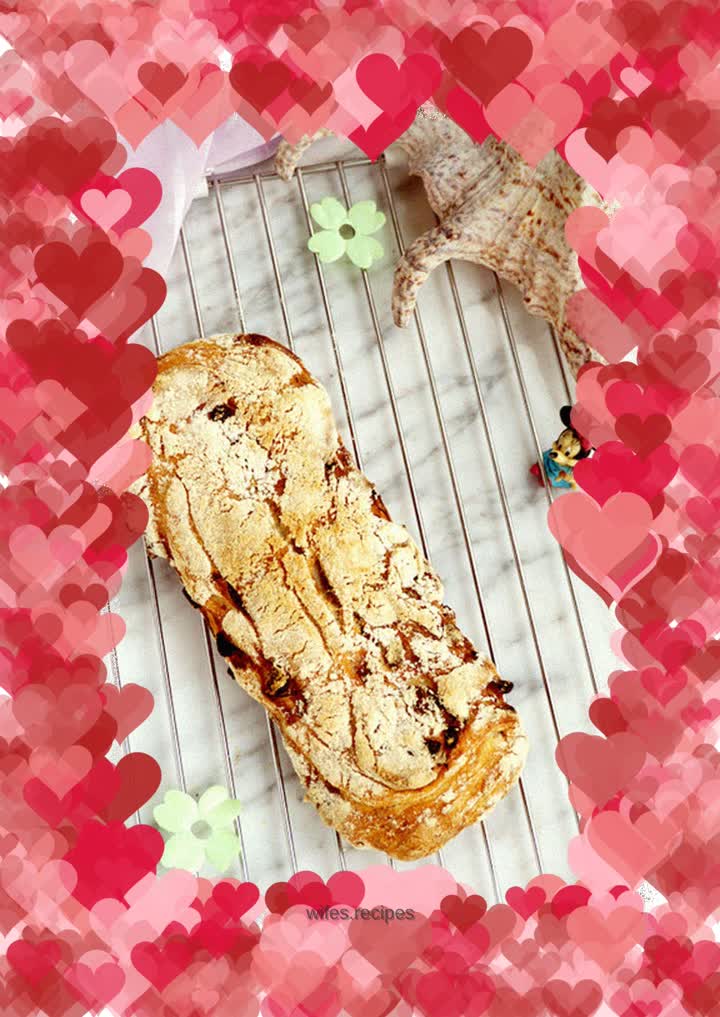
Naturally fermented charred onions and herb ciabatta
Replaced Polish starter with natural starter. The yeast has been sitting in the refrigerator for a while, and then it is taken out to grow and make ciabatta, and the rest continues to lie dormant. No herb vinegar. I almost planned to buy a bottle. However, I could only use 15ml of the original bread, and I really couldn’t figure out how to use the rest. After thinking about it, I decided to use the bottle of apple cider vinegar that I had been using instead, but it just didn’t have the vanilla flavor. Fresh herbs? Of the four options listed, there are three: basil, oregano, tarragon, and dried. I can only make do with dry ones. I don’t know how to calculate the ratio of dry to fresh. I take a small spoonful of each, and I think it won’t be too much to be boring. It is stretched and folded into the shape of a foot plate. The surface is covered with a large amount of flour, and under the action of water vapor and heat, a crispy hard shell is formed. The smell of onions mixed with herbs wafts out, so fragrant. . . .
Baking Breakfast