1 recipe found
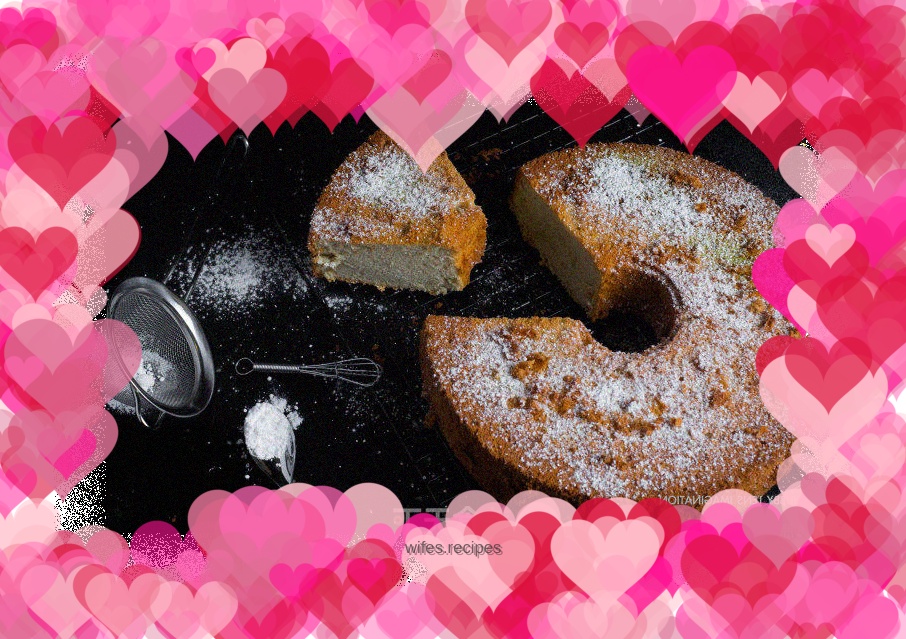
Before the tutorial begins, let’s popularize the classification of cakes. According to the differences in methods and ingredients, common cakes can generally be divided into the following categories: Chiffon cake, also called chiffon, is called Chiffon in English. The original intention is that the texture of the cake is as light and smooth as chiffon velvet. The key difference in its production principle is that after the egg yolks and whites are separated, only the white part is beaten, using lighter liquid oil (instead of butter). Sponge Cake briefly and comprehensively describes the texture of the cake, which is as soft as a sponge. Compared with chiffon, the biggest feature of its production process is that it uses whole eggs for beating. Although the texture is fluffy, it does not have the silky smooth feeling of Qifeng. The advantage is that it has better supporting capacity than chiffon. Therefore, the sponge cake body is mainly used in multi-layered fondant cakes that appear at wedding banquets and other events. Cotton Cake is similar to Chiffon in that the egg yolk and white are separated. The core difference lies in the use of hot noodles, which creates a fluffy texture by contacting hot oil with flour. Its taste characteristics are like Cotton Candy (not Marshmallow), which melts in the mouth. As for other mousse cakes, cheesecakes, etc., or variations of ice cream, or variations of pie, I don’t want to classify them in this way based on the cake itself. Disclaimer: The following ingredient ratios and methods are referenced from Taiwanese baker Meng Zhaoqing