Recipes tagged "Grits"
4 recipes found
-
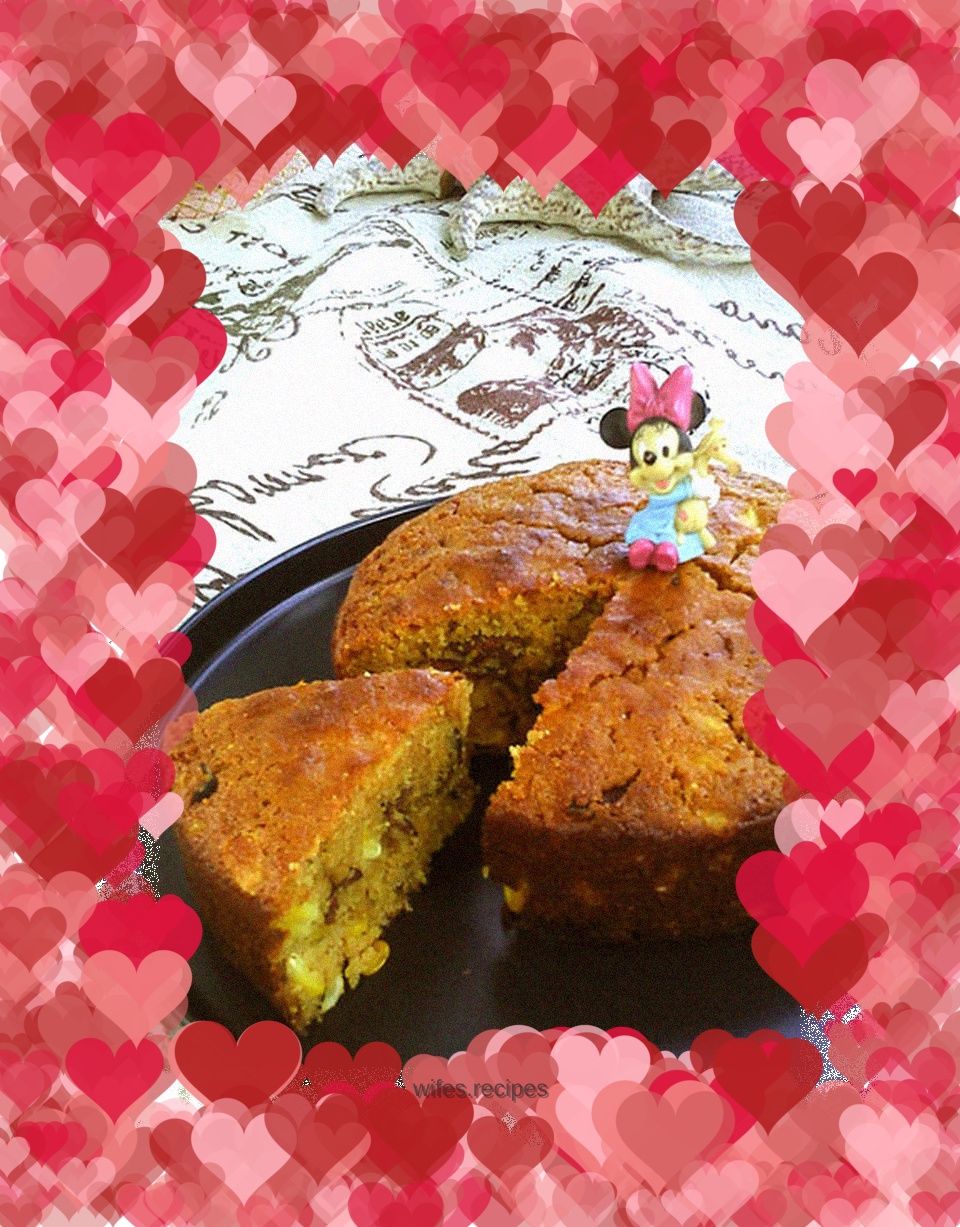
cornbread
Grits are commonly used in The Apprentice Baker. At first, there was confusion as to what kind of grits it actually was. The explanation in the book is that coarse corn is best (it will also be written as polenta on the package). Could it be corn crumbs? The kind commonly found in supermarkets? I didn’t know that corn crumbs could be boiled into a thick paste. However, if you look closely at the picture, it looks more like small particles that are even smaller than corn crumbs. This powder seems hard to find. Visit the market. There are two types of cornmeal, thick and thin. The thin one is obviously not it, and the thick one does not seem to have such an obvious and uniform grain texture. I once wanted to crush corn crumbs into coarse corn flour. After a few attempts, I found that this method may be feasible but too laborious. After grinding, it is sieved in gradients two or three times. This is too troublesome. Turning my attention to Taobao, I really found the target. Although it is not the uniform graininess in the picture, it looks much more obvious than the ones on the market. Try to find a pack. The thickness is mixed, and the coarse particles seem to be not much different from the picture. Use the finest mesh in your hand to sift it through to remove the fine flour. The remaining small particles really feel a bit like the coarse corn flour in the picture. Now on to the cornbread. Cornbread is a quick bread because it is leavened with baking powder. While this isn't a quick bread book about chemical leavening, I couldn't help but include this recipe because - let's be honest - I think the flavor is unmatched. The use of sugar, honey, buttermilk, corn kernels and cornstarch (different from the common finely ground cornmeal) makes this bread feel moist, textured, sweet and sour. Bacon (or cracklings) on bread is the ultimate treat and the perfect addition to a Thanksgiving meal. Good cornbread is moist, sweet, rich in texture, and has a nice crunch to the bite. It’s hard to imagine what grits would feel like after soaking overnight. The whole cornbread is made like a big muffin. 10-inch baking pan, what a giant cornmeal muffin. Not so big, 6 inches is enough. If you don’t have a baking pan like that, it would be a good idea to use a removable bottom cake mold. I just wonder if there will be leakage when the oil is sloshing inside? Everything seemed to be fine except that the bacon was a bit overcooked. Didn't it mean it could be baked crispier? After baking it for a while, it was really crispy, but the color was also old. I didn't dare to let it half-hidden and half-revealed on the surface of the batter, otherwise it might become charred, right? It tastes really good. The moment it comes out of the oven, the strong flavor reminds me of fried corn pancakes. It really does look like it. Grilled corn buns. . . . This looks more like cake than bread. . . .
Baking All-purpose flour -
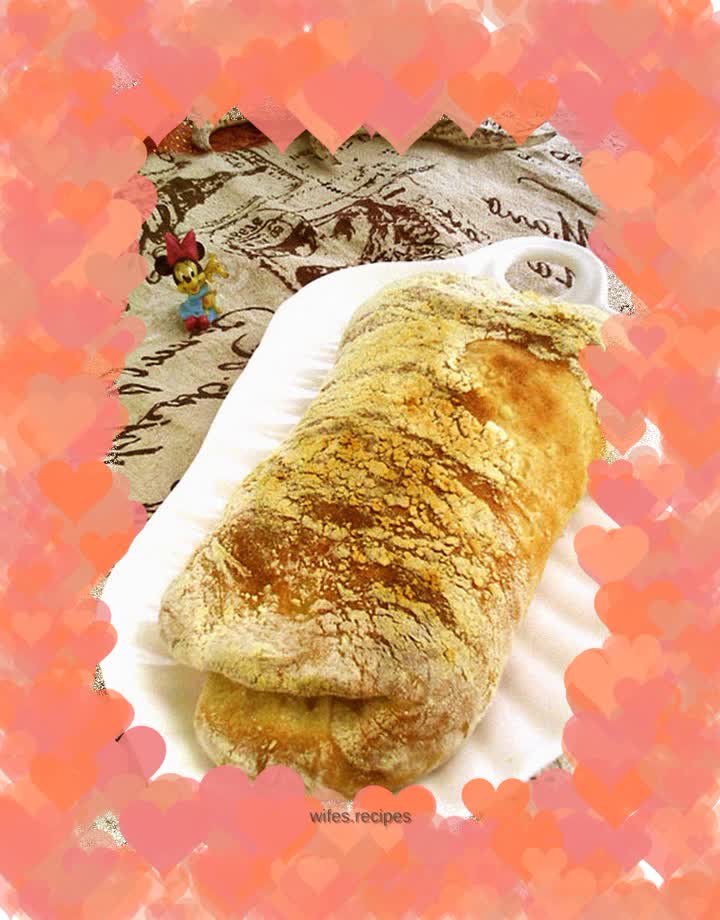
Polish starter ciabatta
Is it necessary to use a steam oven to make European buns? Not all bread requires steam, but it is very important for hearth bread. Steam retards gelatinization, gives the bread enough time to rise in the oven, and adds shine and color to the bread. So, how to make steam without a steam oven? I used to just recommend spraying water on all four sides of the oven, but now, I've discovered a better way. While the oven is preheating, place an empty heavy-duty baking sheet or cast-iron skillet in the top or bottom of the oven (thinner baking sheets tend to warp under high temperatures). Before putting the bread in the oven, have hot water ready nearby, the hotter the better (boiling is best). . . . . While the bread is in the oven, pour hot water into the baking pan used to create steam. This method is used in many breads in "The Apprentice Baker". This is a technical job, and I have never dared to do it blindly. After thinking about various things, I finally decided to replace the empty baking pan with a broken dinner plate. It was broken anyway, so I wasn't afraid of it breaking. I was just looking forward to it breaking. It doesn't matter if there is no baking stone or iron baking pan, the heating tube keeps heating. Just act as expected. Place an empty baking pan in the oven, place a rack on the upper shelf, place a broken dinner plate on the rack, turn the heat to maximum, and preheat. Preheating is complete. Sprinkle the corn kernels on a wooden cutting board, place the dough, stretch and slightly pull the baking sheet out of the oven, and slide the dough into the baking sheet. Then pour boiling water into the broken dinner plate, pour a little, the water falling into the plate will be quickly evaporated, and continue pouring. . . An expected and unexpected situation occurred. There was a crisp sound, and the plate broke into two halves. All the water in the plate fell on the bread and then flowed into the baking pan. Fortunately, it didn't fall violently. This situation seemed to be irreversible. Let the water evaporate freely. Steam had to be produced by spraying water on the four walls. However, after this change, it seems that the steam has no effect. The baking continued, and the part of the crust that had been run over by the running water was gradually dried, leaving an indelible mark. The Polish starter ciabatta ended in failure, even though it looked pretty good. If it had enough steam infiltration, maybe it would have soft and shiny skin?
Baking old man -
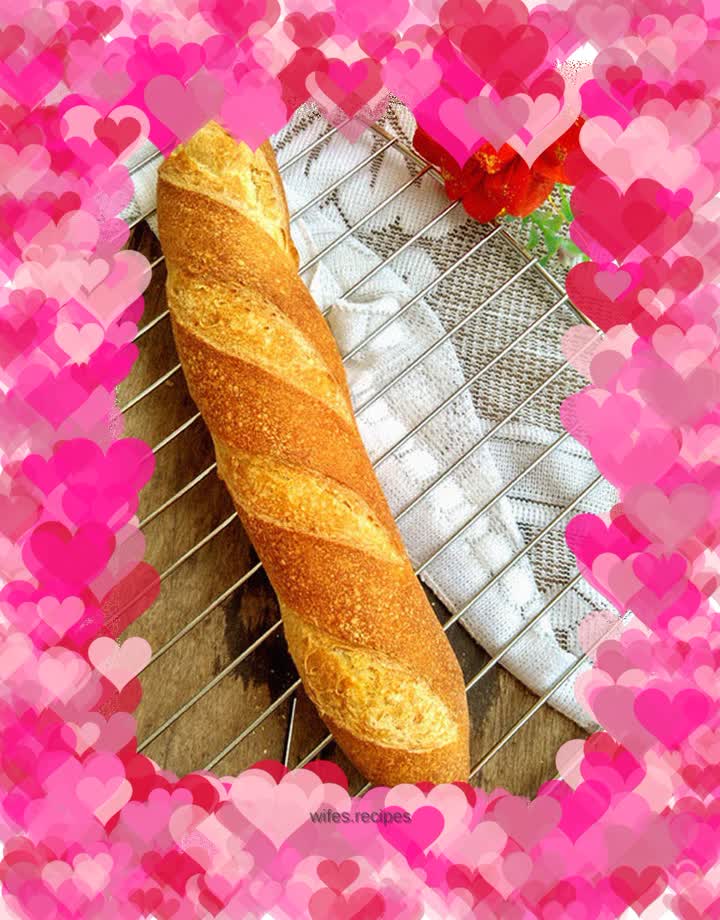
baguette
Medium seed, refrigerated fermentation. This new method allows you to bake rich French bread in 4-5 hours from start to finish (assuming you've made the medium-sized dough ahead of time). Medium-sized dough can bring the flavor of 7-9 hours of fermentation to the final dough, which is the standard for many professional productions. The crust will burn to a rich reddish-gold color, rather than the golden color of under-fermented dough. This richer color occurs because more sugar is released from the starch during fermentation. This bread tastes sweet, like added sugar, but in fact, all the sugar in this bread is released from the flour, because during the fermentation process, amylase and amylase have enough time to break up the complex starch molecules. Like most hearth breads, another key to the success of this bread is gentle operation, keeping the gas in the dough as much as possible during the shaping process, so that the final bread center can produce larger irregular pores and maximize the release of flavor. This kind of bread center with big holes is one of the signs of the success of artisanal bread. The dough originally used to make 3 small baguettes was cut off by 3/4 to make one smaller baguette. You can use only cake or all-purpose flour, but I find that a 50-50 mix results in a richer texture, a softer texture and a perfectly crispy crust. It is absolutely true that this stick, which is much smaller than the ordinary baguette, has a soft heart hidden under the crispy exterior after cooling. There is a slight salty taste in the mouth on the first day, but soon the sweetness overflows. The irregular holes suggest that, if not particularly successful, it was not too unsuccessful. Cutting bags is a technical job, and I have long forgotten the essentials. I was so daring that I cut it off casually. I thought I could let it fully release the pressure, but when I saw the way it was tensing up in the oven, I realized that it seemed to be a little short of the mark. However, this look is already very gratifying. . . .
Baking children -
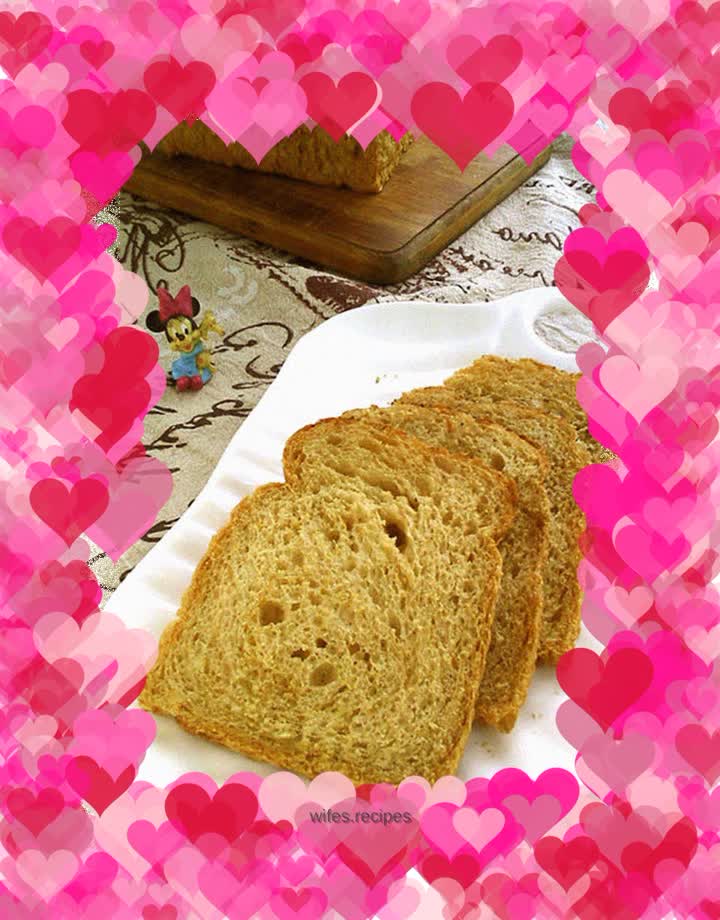
Super multigrain bread
I have long been eyeing this super multigrain bread. But there were no poppy seeds, and there was still confusion about the fineness of grits. Although I am accustomed to using other materials to replace those that are not on hand and are not commonly used, for "The Apprentice Baker", I wanted to be as close to the original as possible. Even those things marked as optional are always tried to be as mandatory as possible. Although the author says that this bread expands the possibilities of grain selection, you can use millet, quinoa, amaranth or buckwheat instead of corn or oats (or combine them). But I still want the non-replaceable original version. This bread and its derivatives make the best toast in the world because of the addition of honey and brown sugar for sweetness. So bread burns quickly during baking. These grains retain moisture and when sliced and roasted, the slices are crispy but still retain a moist, sweet flavor. I usually sprinkle poppy seeds on my bread because it both enhances the appearance and adds flavor, much better than sesame seeds. . A small amount of cooked rice is used in the recipe. Cooking rice specifically for bread may seem like a hassle (unless you're making more bread than the recipe calls for). So I recommend cooking a little more while the rice is cooking and saving some for making bread. The fact is that brown rice is never added when cooking rice, let alone pure brown rice. Therefore, it is impossible to save some for making bread, and you really have to cook the rice specifically for the bread, even if it makes less bread than the recipe calls for. You can also skip the milk and use an equal amount of water instead. Bread without added milk will be stronger and lighter in color, because milk not only softens the dough and increases nutrition, but also contains a small amount of lactose, which helps the crust to caramelize. I like dark bread the most, but why not just use milk? The final fermentation was 90 minutes. However, I accidentally let it rise for half an hour longer. I thought the dough would collapse. Unexpectedly, although the dough trembled when I held it in my hands, it still looked very strong. The gluten strength of this flour seems to be quite good. . . .
Baking children