Polish starter ciabatta
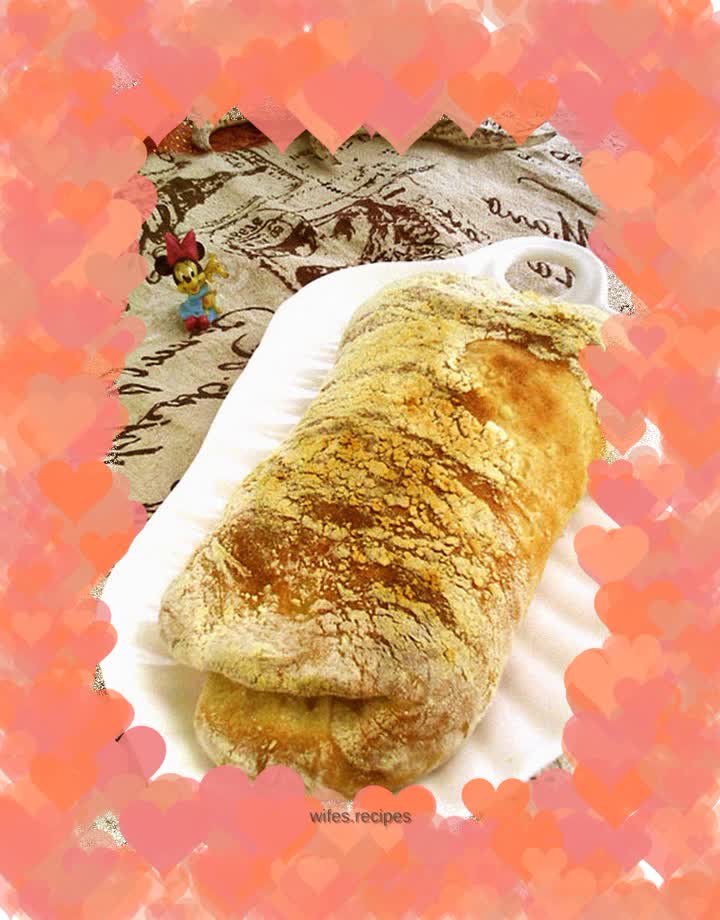
Overview
Is it necessary to use a steam oven to make European buns? Not all bread requires steam, but it is very important for hearth bread. Steam retards gelatinization, gives the bread enough time to rise in the oven, and adds shine and color to the bread. So, how to make steam without a steam oven? I used to just recommend spraying water on all four sides of the oven, but now, I've discovered a better way. While the oven is preheating, place an empty heavy-duty baking sheet or cast-iron skillet in the top or bottom of the oven (thinner baking sheets tend to warp under high temperatures). Before putting the bread in the oven, have hot water ready nearby, the hotter the better (boiling is best). . . . . While the bread is in the oven, pour hot water into the baking pan used to create steam. This method is used in many breads in "The Apprentice Baker". This is a technical job, and I have never dared to do it blindly. After thinking about various things, I finally decided to replace the empty baking pan with a broken dinner plate. It was broken anyway, so I wasn't afraid of it breaking. I was just looking forward to it breaking. It doesn't matter if there is no baking stone or iron baking pan, the heating tube keeps heating. Just act as expected. Place an empty baking pan in the oven, place a rack on the upper shelf, place a broken dinner plate on the rack, turn the heat to maximum, and preheat. Preheating is complete. Sprinkle the corn kernels on a wooden cutting board, place the dough, stretch and slightly pull the baking sheet out of the oven, and slide the dough into the baking sheet. Then pour boiling water into the broken dinner plate, pour a little, the water falling into the plate will be quickly evaporated, and continue pouring. . . An expected and unexpected situation occurred. There was a crisp sound, and the plate broke into two halves. All the water in the plate fell on the bread and then flowed into the baking pan. Fortunately, it didn't fall violently. This situation seemed to be irreversible. Let the water evaporate freely. Steam had to be produced by spraying water on the four walls. However, after this change, it seems that the steam has no effect. The baking continued, and the part of the crust that had been run over by the running water was gradually dried, leaving an indelible mark. The Polish starter ciabatta ended in failure, even though it looked pretty good. If it had enough steam infiltration, maybe it would have soft and shiny skin?
Tags
Ingredients
Steps
-
Polish starter: 105g high-gluten flour, 112g water, 0.3g dry yeast

-
Mix the starter ingredients

-
Mix into a uniform and thick paste, cover with plastic wrap, and ferment at room temperature for 3-4 hours

-
Batter bubbles

-
Place in the refrigerator overnight, take out before use, and allow to warm for 1 hour

-
Dough ingredients: 127 grams of high-gluten flour, 4 grams of salt, 1.5 grams of dry yeast, 2 tablespoons of milk, a little coarse corn flour

-
Pour the flour, salt and yeast into the bread bucket and mix evenly

-
Add Polish starter and milk

-
Put it into the bread machine and stir for about 20 minutes

-
into a smooth and sticky dough

-
Dust a cutting board with flour and transfer the dough to the counter

-
Sprinkle flour on the surface of the dough, pat it into a rectangular shape, and let it rest for 2 minutes

-
Stretch the dough to 2 times

-
30% off,

-
Spray/oil the surface,

-
Sprinkle with flour, cover loosely with plastic wrap and leave for 30 minutes

-
Stretch again

-
30% off

-
Spray/oil

-
Sprinkle with flour, cover with plastic wrap, and ferment for 1.5-2 hours

-
The dough has grown

-
Sprinkle generously with flour and carefully roll the dough to coat it with flour

-
Move it to the cloth,

-
Stretch both ends

-
fold

-
Spray/oil

-
Sprinkle with flour again, cover with a towel, and let rise for 45-60 minutes.

-
The dough rises

-
Place the baking tray in the oven and place a baking tray on top, preheat to 260 degrees

-
Spread grits on board

-
Carefully transfer the dough to the board

-
Lift both ends and stretch to 23-30 cm

-
Turn on the oven, carefully slide the dough into the baking pan and add hot water to the top pan. Turn off the oven, and after 30 seconds, open the door and spray water on the four walls, spraying once every 30 seconds for a total of three sprays. Then turn the oven to 230 degrees and bake for 10-20 minutes

-
The surface is golden brown and comes out of the oven
