Boil lard
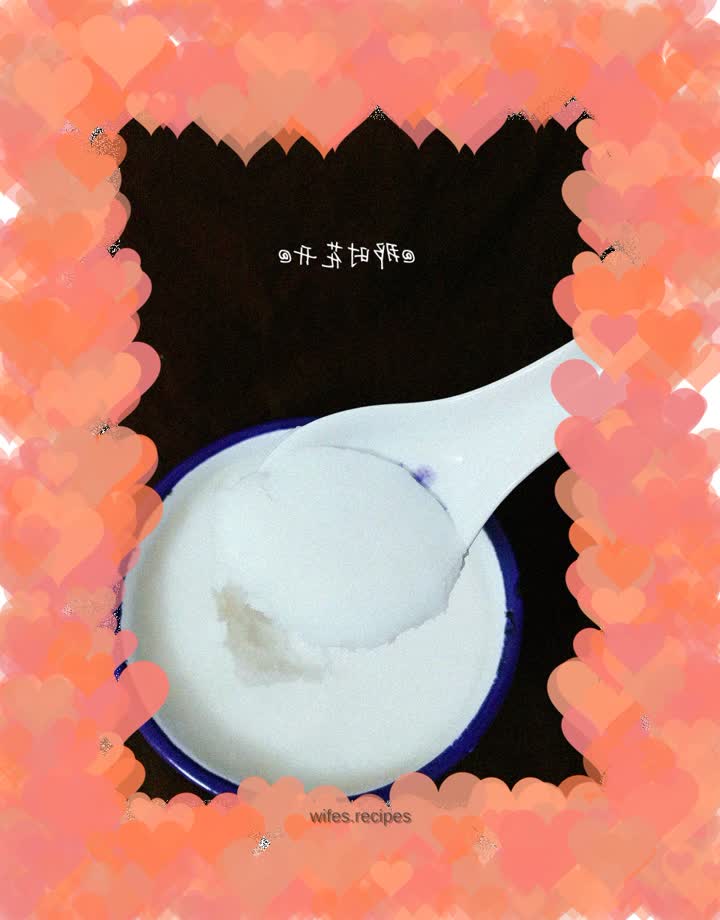
Overview
Do you still remember the scene when your mother cooked lard when you were a child? Standing by the stove and smelling the lard, I was actually waiting for the lard to come out of the pot. Watching my mother sprinkle some refined salt or a little sugar on the lard, my little hand had already reached into the bowl. I was not afraid of being burned, but I was afraid that I would eat less of the fragrant lard. I posted a topic that day, and everyone in Meitian asked me about the whereabouts of the oil residue. After I was told that I was throwing it away, everyone said it was a waste, saying that it was delicious when I made dumpling fillings, noodles, and stir-fried vegetables. Anyone who is interested can give it a try!
Tags
Ingredients
Steps
-
I need to buy pork suet like this (not pork belly or fatty meat),

-
Wash the suet and cut it into small pieces, put it all into the pot and pour in an appropriate amount of water (my mother came home so quickly that the suet was boiling in the pot)

-
The water slowly dries up and begins to produce oil. Reduce the heat to low and simmer (use a spatula to stir to avoid sticking to the bottom of the pot)

-
Close the lid of the pot (be careful at this time because there will be some oil)

-
When stirring with a spatula, I turned off the heat (for fear of oil spilling)

-
Scoop out the oil with a spoon.

-
Until the oil residue is refined.

-
The final oil residue will come out after sifting and pressing, so don’t waste it (use lard for frying vegetables or cooking noodles)

-
Look how clear the hot lard is!

-
Let cool and then put it in the refrigerator (my mother said that in the past, a little salt should be added to extend the shelf life)

-
Appreciation of the finished product~
