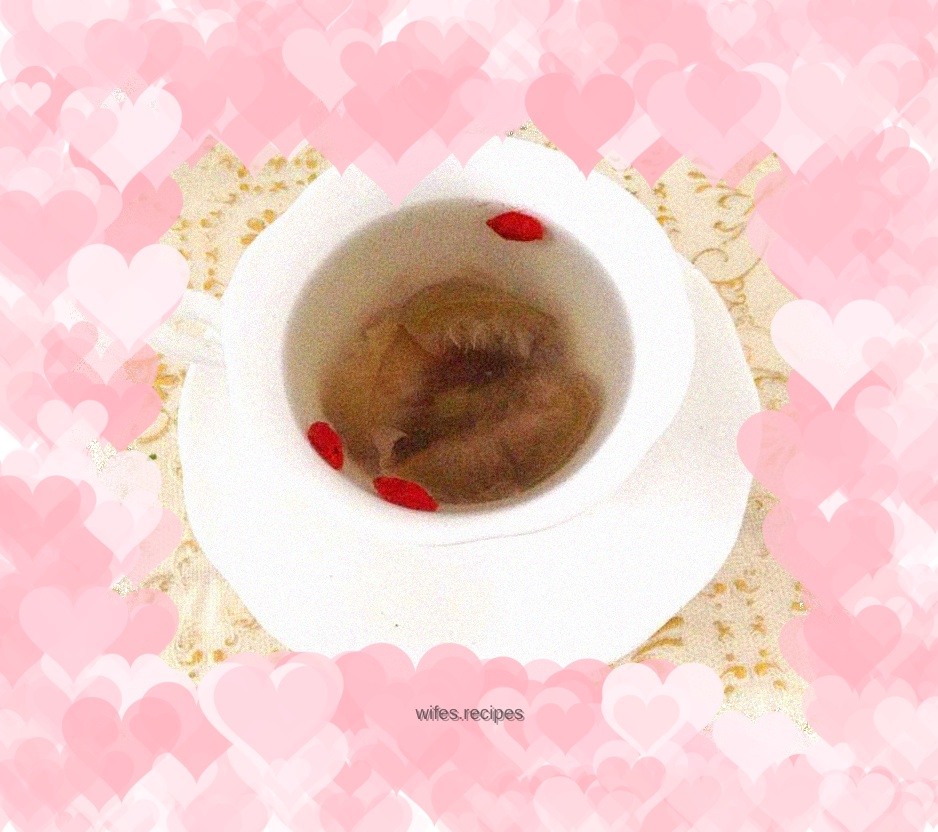
【Rose Peach Tea】---Peach preserves & peach rose tea made by Qingzhou specialty products
Overview
Peach is our specialty in Qingzhou. This time is when the peach is ripe. My friend gave me a box of it. It tastes very sweet when eaten directly. Moreover, the peach pit is separated from the pit. Because my teeth are not good, in addition to eating it directly, I will also make it into preserves or brew it into flower and fruit tea. It tastes very good too. Qingzhou peach is produced in Qingzhou City, Shandong Province. It is one of the famous fruits in Qingzhou City. It is mainly planted in the mountainous area of 32,000 acres in the southwest of the city. It is famous for its late maturity, fine flesh, sweet taste, bright color, and good storage resistance. It has been listed as a tribute in the past dynasties. Qingzhou peach matures from late September to early October. It is not only rich in nutrients, delicious and sweet, but also has high medicinal value. Its roots, bark, leaves, flowers and kernels can be used as medicine, and the peach kernel is an important medicine in traditional Chinese medicine. In 2006, the General Administration of Quality Supervision, Inspection and Quarantine approved the implementation of geographical indication product protection for Qingzhou peaches. Shandong Qingzhou peaches have been tributes since the Ming and Qing Dynasties. Jia Sixie, a famous agricultural scientist in the Northern Wei Dynasty, was from Yidu. In his "Qi Min Yao Shu", he described the widespread planting of peaches in Qingzhou at that time. "Qingzhou Prefecture" also has records of peach. Qingzhou has a long history of peach cultivation, has many peach varieties, and has rich folk customs about peaches. Qingzhou peach has a long-standing reputation, and has been recorded in Qingzhou Prefectural Annals for more than 450 years. The fruit is popular for its rich color, tender meat, fragrant and sweet, late-ripening and storage-resistant, juicy and delicious. It is measured that the fruit contains more than 18% soluble solids, more than 13% sugar, 0.2% acid, Vc6.7~8.4mg/1.00g, and is rich in protein, fat, VB1, VB2 and other nutrients. It has a sweet flavor and has been listed as a tribute in the past. After the founding of the People's Republic of China, it was listed as a special fruit by the State Council in 1954. Recently, ancient tombs from the Tang and Song Dynasties were discovered in the Qingzhou Palace Amusement Park, which once again brought the ancient city of Qingzhou into the spotlight. Moreover, one of the Song tombs is one of the relatively complete Song tombs in China. The unearthed cultural relics and burial methods are of great research value. I have always liked archeology programs, so I am very interested in this. We are also proud of Qingzhou. Zhao Bingzhong’s No. 1 Scholar roll belongs to our Qingzhou. His descendant is now a painter, and he and the deputy director of the museum once participated in a treasure appraisal program
Tags
Ingredients
Steps
-
Prepare raw materials, peach

-
Wash and remove the pit. Our peach is easy to remove because it is separated from the pit

-
Separated from the core, once the core is broken open, the pulp is separated

-
Then cut into appropriate sizes

-
Put it in a pot and put an appropriate amount of water in the pot, just enough to cover the peaches. Add a little rose paste and simmer over low heat

-
Let it boil until the juice is almost gone. Let it cool and it can be used as preserves. Or after it cools, take an appropriate amount and brew it with warm water to make rose peach tea. It tastes very good and you can also eat the pulp

-
Peach itself is very sweet, so there is no need to add additional sugar to make candied fruit

-
Brewed rose peach tea
