How to make lotus root starch? Share how to make handmade lotus root starch
Overview
Enjoy lotus flowers in summer and dig lotus roots in winter. The 9th to 10th month of the lunar calendar is the time when lotus roots are on the market. Lotus root starch is a pure natural starch made from fresh lotus roots. In addition to starch, glucose, and protein, lotus root powder also contains calcium, iron, phosphorus, and a variety of vitamins. It is also rich in trace elements iron Fe, vitamin B12 and other blood-nourishing factors. Its main functions are nourishing blood and replenishing qi, laxative and antidiarrheal, strengthening the spleen and appetizing, clearing away heat, etc. It is suitable for people of all ages and pregnant women. With the emergence of instant lotus root starch, it is now difficult to taste the taste of handmade lotus root starch that I had when I was a child. In our village, there are still some older generations who insist on using traditional manual knife-cutting to make lotus root starch, and my family has always retained this tradition. . . Let’s take a look at how hand-cut lotus root starch is made. . . .
Tags
Ingredients
Steps
-
In spring and summer, the pond is full of lotus leaves, and under the leaves are dots of buds and lotus flowers, making it a poetic world.

-
We use local fresh old lotus roots to make lotus root starch from "Red Lotus Seeds and White Lotus Roots". The old lotus root has sufficient starch content and a richer flavor. The resulting lotus root starch tastes more fragrant

-
Washing and cutting lotus roots: To make lotus root powder, you need to cut off the lotus root nodes and then wash them. Making lotus root powder may seem simple, but in fact, every step is related to the quality of lotus root powder, and washing lotus roots is no exception. Not only do you need to remove the soil on the surface of lotus roots, but the soil in some holes also needs to be cut off with a knife to wash it clean

-
Crush: Washed lotus roots must be crushed before washing the powder

-
Filter the lotus root pulp: To filter the lotus root pulp, you need to use two layers of specially filtered fine gauze and place it on an empty basin

-
Then scoop the squeezed lotus root pulp from another basin into the basin with the filter cloth

-
While ladling the pulp, rinse it with clean water

-
Then filter out the lotus root residue and impurities

-
The washed lotus root pulp needs to settle for one to two hours

-
After filtering and clarifying the water, pour out the surface water in the basin, remove the sand on the bottom layer, and repeat filtering 3-4 times

-
Precipitated and bleached lotus root pulp: The filtered lotus root powder is dispersed with water to dilute and precipitate. After clarification, pour out the water. Repeat adding water to dilute and precipitate 2-3 times until the lotus root powder turns white

-
Drain the lotus root starch. In the past, when we drained the lotus root starch, we used cloth bags to pack plant ash and put it in the settled lotus root starch basin to absorb water. But to be honest, if the plant ash absorbs water and the bag leaks, it will contaminate the lotus root starch. Now we all use dry mesh cloth to filter soy milk

-
Stack several layers on top of the lotus root starch and it will absorb water very quickly

-
Use a knife to cut the drained lotus root starch into chunks

-
In fact, it is hard to tell whether the filtered lotus root powder is clean or white when dried. It can be clearly seen by looking at the cut surface of the lotus root cubes

-
The next step is the technical work, cut the lotus root starch with a knife; cut the drained lotus root starch into small slices with a knife. The more even the cuts are, the more consistent the drying and dehydration speed of the lotus root starch will be

-
Look at these slices of snow-white lotus root starch, aren’t you very appetizing?

-
Sun-drying of lotus root starch: Normally good weather in winter can dry lotus root starch in one day. If it is like early spring, it is not suitable to dry lotus root starch if you go back to the south. Therefore, the best season to dry lotus root starch is in the autumn and winter after September of the lunar calendar

-
Are you impressed by the rows of small ditches?

-
Those of you who used to dry rice in your childhood should remember it. This is to allow the lotus root starch to be heated evenly. It is the first of its kind in our house. At least no one in our area has done it this way

-
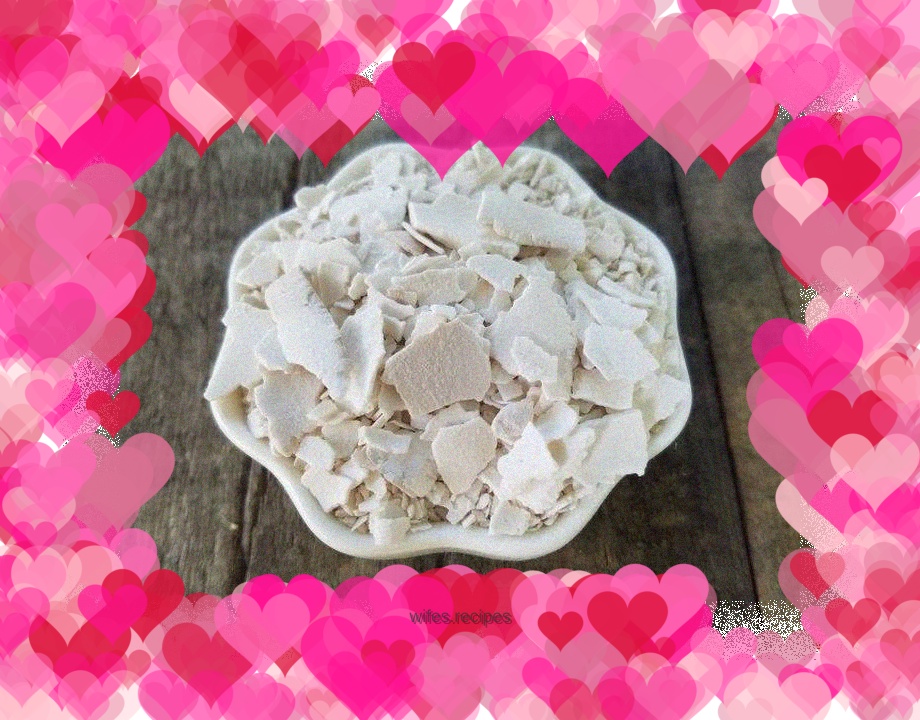
The sun-dried lotus root starch shall be considered to be crumbly when touched

-
Let’s try a bowl first and see the fruits of your labor

-
The fragrance is tangy, refreshing, and makes people linger

-
Bottle the finished product and done! ! !
