Zhike Qiuli Cream
Overview
Colds have been really troublesome this year. It’s been more than a month and all other symptoms have gone away, except for the cough that still won’t go away. The cough was not severe, but occasionally I felt uncomfortable when I coughed. The cough was not severe, and I didn’t want to take medicine, so I thought about boiling some Qiuli ointment to drink. Wanting a better effect, I asked a Chinese medicine practitioner to prescribe a prescription and added Luo Han Guo, Sichuan Fritillary Scallops and ginger according to the doctor's instructions. I started working on it after lunch. It took me a whole afternoon to finish it, and it wasn't until about 7 o'clock in the evening. It took seven or eight hours of hard work. It took 10 kilograms of pears to boil half a kilogram of paste. It seems reasonable that a small bottle of pure handmade pear paste can be sold for fifty or sixty yuan. The cost and effort are not low. Only when you make it yourself will you know that the large bottle of autumn pear paste that costs more than ten yuan is definitely impure. After it was cooked, I scooped out a small spoonful and ate it. It tasted good. Although there was no sugar added, it was very sweet and had a light ginger flavor, which I like. It also made the pear paste not cold, so it was suitable for my cold body constitution. If you just want to make Qiuli paste, the method remains the same, just don’t add anything else, just use pears.
Tags
Ingredients
Steps
-
I prepared the ingredients. Because I used a lot of pears, I took two pictures. I ground the Sichuan scallops and used the leftover ones for the photo. I used Fengshui pears, you can also choose other pears

-
I feel that this kind of black-skinned pear works well, and I also used part of it

-
Wash the pears, peel them, and chop the flesh into small pieces

-
Chop the ginger, pinch the mangosteen into slits with your hands, and add the pears to the pot.

-
If you don’t want to cut the pears, you can also use a grater between the wipers and rub them into the pot

-
Bury the mangosteen inside the pear and bring to a boil over medium heat. Do not add water. Cut the pear and boil it for a few minutes and the soup will come out.

-
Bring to a boil over medium heat, then turn to medium to low heat and simmer for about 40 minutes

-
Fish out the Luo Han Guo
-
Strain the pear residue through a mesh sieve

-
Let the pear pomace cool slightly and then use a clean drawer cloth to squeeze out the remaining juice. Don’t squeeze too much at one time and squeeze it as dry as possible

-
Strain the strained soup directly into a small stock pot.

-
Grind the Sichuan clams into powder in a food processor.

-
Add Sichuan clam powder into the soup

-
Bring to a boil over medium heat, then turn to low heat and simmer slowly. A lot of foam will come out during this process,

-
Keep skimming it off to make the pear paste purer

-
Stir constantly during the final stage to prevent the pot from burning. When the pear cream keeps foaming, it will basically be ready

-
The cooked pear paste was already dark when I took the photo, so the color was a little distorted under the light

-
Pour the boiled pear paste into a bottle that has been boiled and dried. Store it in a sealed container. It can be stored at room temperature for 30-40 days, refrigerated for about 2 months, and frozen for four to five months. This pear paste will not clump when frozen

-
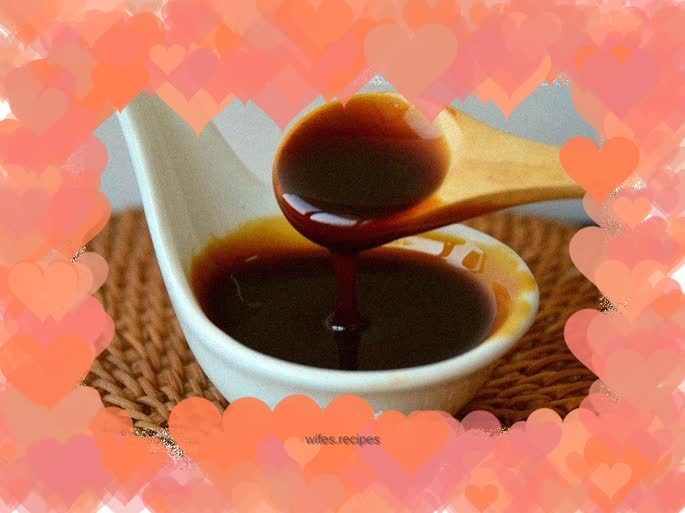
The cooked pear paste is very thick, and you only know how delicious it is after eating it

-
You can eat it directly or drink it with water. Of course it’s great if you spread it on bread and eat it. Finally, let me share some common sense. If pear paste without added sugar is diluted with a little water, it will not have residue or clumps, but sugar-containing pear paste will.
