Malantou Braised Pork
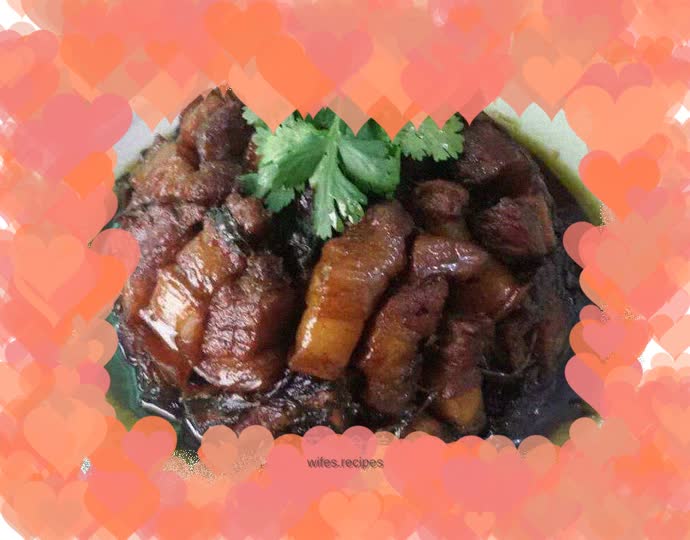
Overview
Malantou, a spring wild vegetable grown in the fields of Shanghai and Zhejiang areas (now also cultivated artificially), is sold in the market in spring. This dish has a unique fragrance that most people can accept. To me, that's the taste of childhood. After buying it from the market, it is dried and stored in the sun when the weather is good. It can be eaten all year round.
Tags
Ingredients
Steps
-
Put the dried malan head into a basin and soak it in water until it softens (like making tea). Change the water twice to remove impurities.

-
Wash the pork belly with clean water, cut into pieces, put it in a pot with cold water, boil it, remove and rinse under running water (to remove blood and water impurities). Pour oil into the pot until it is 70% hot, put in the dried pork belly, and stir-fry the ginger slices until the pork belly is slightly oily and slightly browned.

-
Add the fermented Malantou and stir-fry, pour in dark soy sauce and cooking wine. Add a small amount of salt, chicken essence, and sugar (you can add more if you like sweet taste). Add water to cover the meat noodles (about two bowls). Cover and simmer over medium heat. When the soup reaches 20%, add the same amount of water and a small amount of cooking wine again, and simmer again.

-
Simmer until the soup reaches 20%, turn off the heat. (The two stews take about 40 minutes to reduce the juice.) Take a large porcelain bowl, put the pork belly into the bottom of the bowl first, then add the malan head and soup, press it tightly with a spatula, and put it into a steamer to steam for 30 minutes. (Discard the ginger slices)

-
After steaming, take a vegetable plate and place it upside down on the porcelain bowl, and then put the bowl and plate back together (be careful to move quickly, otherwise the soup will splash and the eggs will fly). You can wait for it to cool before operating, and it will not burn your hands.

-
The last step is similar to the method of braised pork. The gravy is rich, the vegetables are fragrant, and it goes well with rice. There is no other local characteristic of Jiangnan.
