Mashed Potatoes and Rosemary Bread
Overview
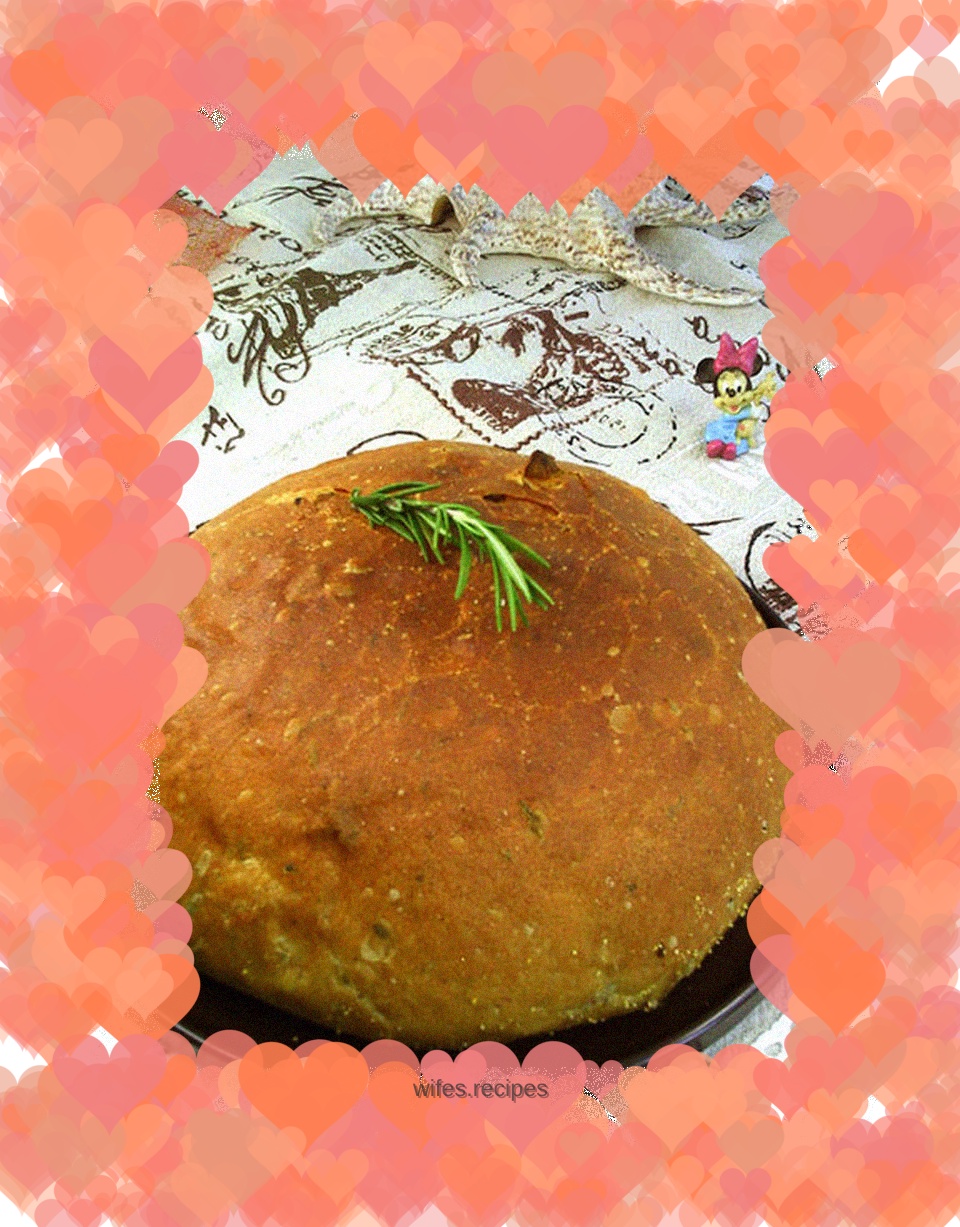
What should I do if I have leftover mashed potatoes? This bread just solves that problem. Potato starch softens the dough and makes the bread taste soft and delicious. The Italian starter and rosemary add other flavors to the bread. Italian starter is an Italian solid starter. It differs from Chinese dough in two points: first, Italian starter does not contain salt; second, it is not a part separated from the prepared dough, but is specially made as a starter. Because it contains no salt, Italian starter requires less yeast to complete fermentation. Salt inhibits yeast and makes fermentation more difficult (which is why salt can extend the shelf life of other foods). If there is no salt, the yeast will not be hindered and can consume sugar as much as it wants, so the demand for yeast at this time will be smaller. Didn't eat the leftover mashed potatoes. Moreover, mashed potatoes for foreigners are probably different from Chinese mashed potatoes, right? I am too lazy to pay attention to the composition of mashed potatoes for foreigners, so I just use the simplest mashed potatoes - steam a medium-sized potato, leave the amount needed for bread, and then eat the rest. The Italian starter needs to be made a day in advance, which means you need to consider two days of time. Good starter can be stored in the refrigerator for up to 3 days, which makes it easier to arrange the time. The full amount makes 2 loaves of 454g or 18 meal bags. Then 1/2 can make a round bread equivalent to the amount of toast; 1/3 can make 6 dinner bags, but it may be crowded together in the oven and stick to each other. Moreover, the rugged feeling given by a golden brown loaf seems to be more attractive. Just have a big loaf of bread. Don't leave the rosemary exposed to air, as it will burn during baking without the protection of the dough. It has a crispy outer shell, a soft interior, and the aroma of rosemary and roasted garlic. It's really good. . . .
Tags
Ingredients
Steps
-
Italian starter: 61g high-gluten flour, 0.3g dry yeast, 38g water

-
Mix the starter ingredients

-
Knead into smooth dough

-
Place in a bowl, cover with plastic wrap, and ferment for 2-4 hours

-
Dough rising

-
Take out and knead the dough for 2 minutes

-
Put it into the bowl again and cover with plastic wrap

-
Place in the refrigerator overnight, take out before use, and allow to warm for 1 hour

-
Main dough: 198 grams of high-gluten flour, 5 grams of salt, 0.4 grams of cracked black pepper, 2 grams of dry yeast, 85 grams of mashed potatoes, 7 grams of olive oil, 1 tablespoon of coarsely chopped rosemary, 99 grams of water, 2 tablespoons of coarsely chopped roasted garlic

-
Pour flour, dry yeast, salt, and black pepper into a bowl and mix

-
Pour into bread bucket, add starter, mashed potatoes, rosemary, oil, water

-
Put it into the bread machine and knead the dough for about 20-30 minutes

-
Can pull out the film

-
Pour onto the counter, flatten, and sprinkle with roasted garlic

-
Knead evenly

-
Place in a bowl and ferment for about 2 hours

-
The dough has grown

-
Take it out and arrange it into a ball

-
Sprinkle the baking sheet with grits

-
Place the dough on top, cover with plastic wrap and ferment for 1-2 hours

-
The dough doubled in size

-
Brush the surface with olive oil

-
Place in the oven, middle and lower layers, heat up and down at 200 degrees, bake for about 30-45 minutes

-
The surface is golden brown and comes out of the oven
