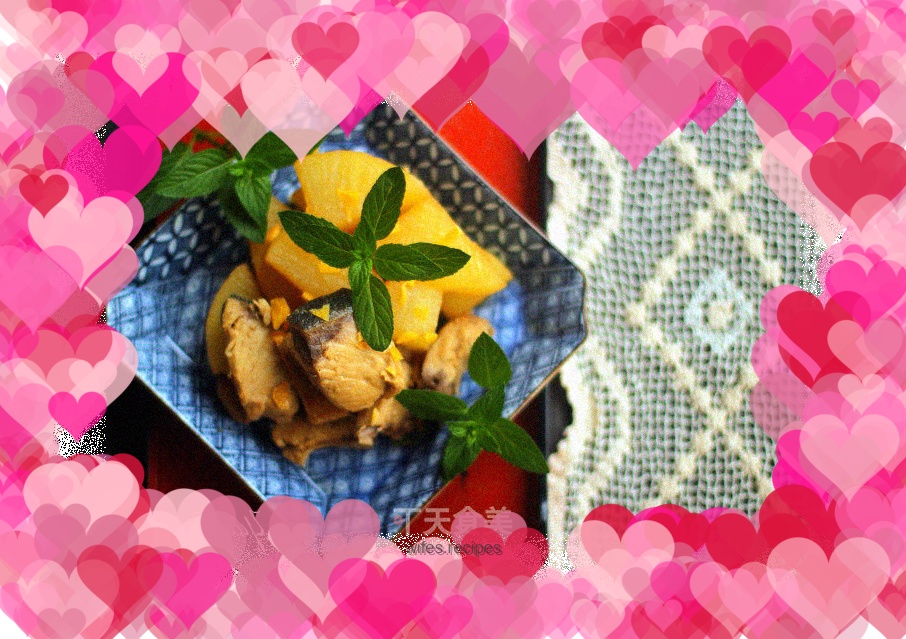
White radish amberjack
Overview
Amberjack (scientific name: Seriola quinqueradiata) is a type of marine fish. It is mainly distributed in the Sea of Japan and the waters south of Taiwan. It is a migratory carnivorous fish. In my country, it is also known as hamachi, safe fish, and hamachi, and in Guangdong, it is called sweet potato. The maximum length of adult amberjack can reach 1.5 meters and the weight is 40 kilograms; but the general body length is 1 meter and the weight is about 8 kilograms. The most famous amberjack producing area in Japan is Toyama Bay facing the Sea of Japan. As it grows from a juvenile to an adult, it changes its name every time it gets older. Therefore it has more than 100 names in Japan. Only when the amberjack grows to over 80cm can it be called the birth fish, its official name. The meaning of birth in Japanese is similar to the Chinese word for rapid success. Because of its delicious taste and a very auspicious name, it is very popular among Japanese people. Among the auspicious fish eaten on New Year’s Eve in Japan, amberjack is as famous as salmon. Especially in the Kansai region, amberjack is an indispensable fish during the first month of the year. As a migratory fish, adult amberjack will go south to spawn after February every year. The amberjack before spawning is rich in fat and is the fattest. The Japanese call the amberjack at this time kanreli (cold amberjack); therefore, the dishes made are also the most delicious. (The fat content of amberjack will be significantly reduced after spawning). Yellowtail is also prepared in various ways in Japan, such as sashimi, sushi, miso pickles, grilled and boiled. When boiled, the most famous one is the white radish yellowtail dish. Yellowtail is not only delicious, but also rich in nutrients. Amberjack is known as a brain-tonifying food. Because it contains highly unsaturated fatty acids that are essential for human brain nutrition: DHA (docosahexaenoic acid). In addition to preventing the deposition of cholesterol on blood vessel walls and preventing or reducing the occurrence of atherosclerosis and coronary heart disease, more importantly, DHA plays an extremely important role in brain cells and is also extremely beneficial to the growth and development of brain nerve conduction and synapses. Experiments have shown that adequate intake of DHA and an increase in the DHA value in the human brain can activate brain nerve cells, improve brain function, and enhance judgment. Therefore, it is also an essential nutrient for teenagers to enhance their intelligence, strengthen their memory, and improve their learning ability. Scientists' research shows that DHA only exists in fish and a few shellfish. Other foods such as soybeans, butter, vegetable oil, lard, vegetables and fruits almost do not contain DHA. Therefore, from the perspective of nutrition and brain health, if people want to obtain enough DHA, the simplest and most effective way is to eat more amberjack. Having said so much, let’s take a look at how it is done!
Tags
Ingredients
Steps
-
First peel the white radish and cut into slightly larger pieces. Wash the amberjack and cut into bite-sized pieces. Chop fresh orange peel (or grapefruit peel) and set aside.

-
Take a cooking pot, put in the white radish, add water to cover the white radish, bring to a boil over high heat, then reduce to low heat, cook until the white radish can be pierced with chopsticks or a fork, then turn off the heat.

-
While cooking the radish, boil another pot of boiling water, place the cut amberjack in a sieve with good drainage (you can spread the fish pieces as flat as possible), pour the boiled water over the fish as evenly as possible, and then immediately rinse the fish with cold water to make the fish firm. It won't fall apart easily during cooking.

-
After the daikon is cooked, pour out the excess water, leaving only about 1cm of water, then add the amberjack pieces from step 3, add wine, sugar, mirin, and finally soy sauce. After stirring well, bring to a boil again, then reduce to low heat and simmer.

-
Cook until the soup is obviously reduced. Taste it and feel that the dish is flavorful. Sprinkle in the chopped orange peel and stir-fry evenly before turning off the heat.

-
Assemble the plate and the dish is ready. Bon appetit!
