Turkish coffee
Overview
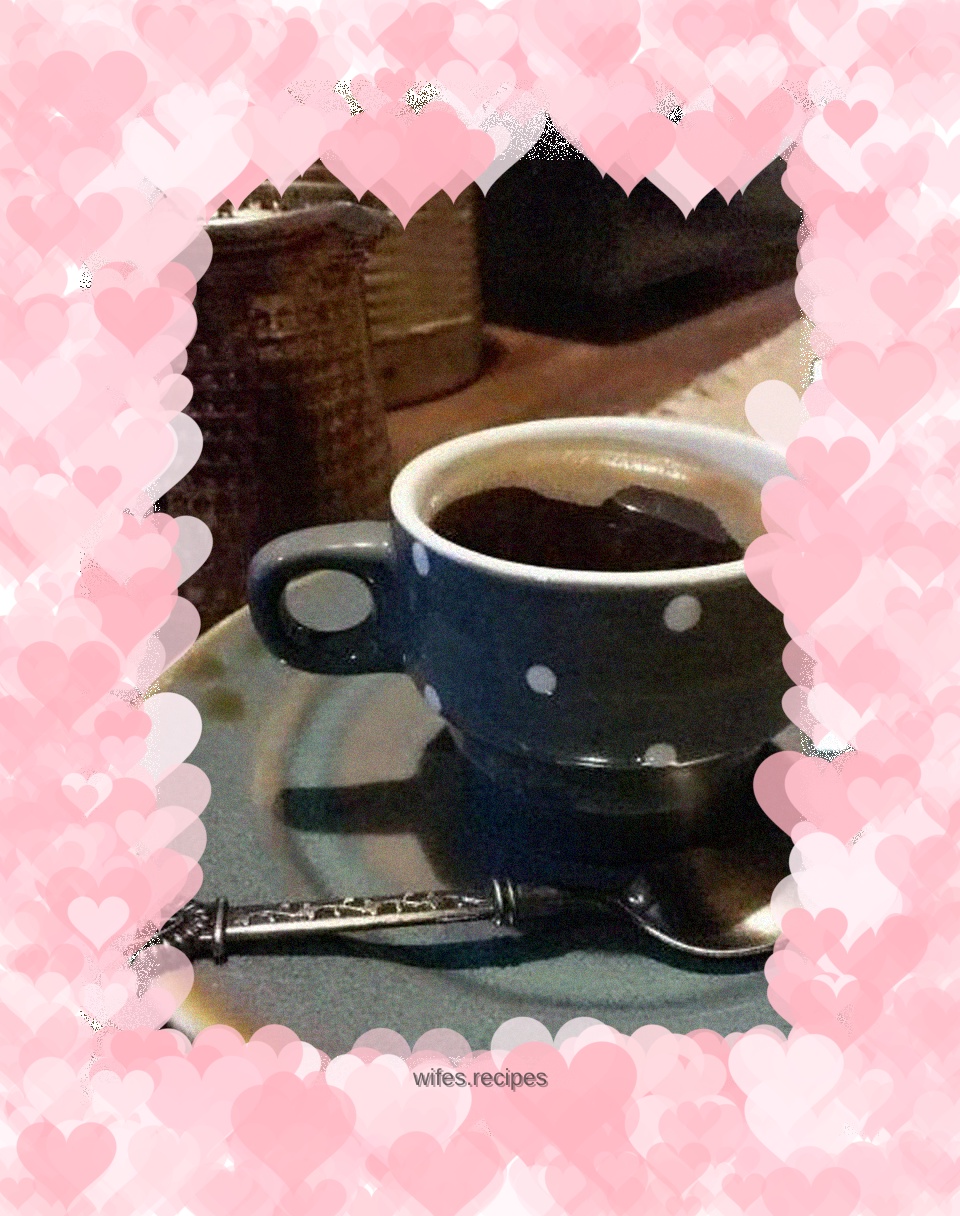
Turkish Coffee Coffee was introduced to Türkiye in the sixteenth century and began to be commercialized. Due to its geographical location spanning Europe and Asia, Türkiye quickly spread coffee to the European continent. And because Turkish coffee can best retain its true taste, it is passed down from generation to generation. Turkish coffee is a kind of coffee that uses the original brewing method. Many Turks, especially women, like to use the traces of coffee grounds left in Turkish coffee to divine and predict the fortune of the day. This adds a touch of exotic mystery to our drinking coffee. The effect of using coffee grounds for divination is unknown, but what is certain is that coffee grounds have considerable medical effects, and are also very effective in deodorizing, sterilizing, and antiseptic. Therefore, coffee grounds can be placed under the corner or in the refrigerator to eliminate odors and strange refrigerator odors, and to prevent insects and ants.
Tags
Ingredients
Steps
-
At present, Turkish coffee is not common, and its taste can be mainly divided into three flavors: bitter (Skaito), slightly sweet (Metrio) and sweet (Gligi). The cooking method is mainly to use a stainless steel pot called Briki to grind the coffee powder very finely, put it directly into the pot and cook it until it boils, then turn off the heat and pour it all into the cup.

-
Turkish people drink coffee without filtering out the residue. Since the coffee is ground very finely, most of the coffee powder will settle at the bottom of the cup when you taste it. However, you can still drink some fine coffee powder when you drink it. This is also the biggest feature of Turkish coffee. Another special feature of Turkish coffee is that it does not add any partner or milk when drinking it. When brewing the coffee, some sugar is added first. The amount of sugar mainly depends on personal preference. Some people like it bitter and do not add any sugar at all, while others like a sweeter taste.

-
After you drink it, let’s take a look.
