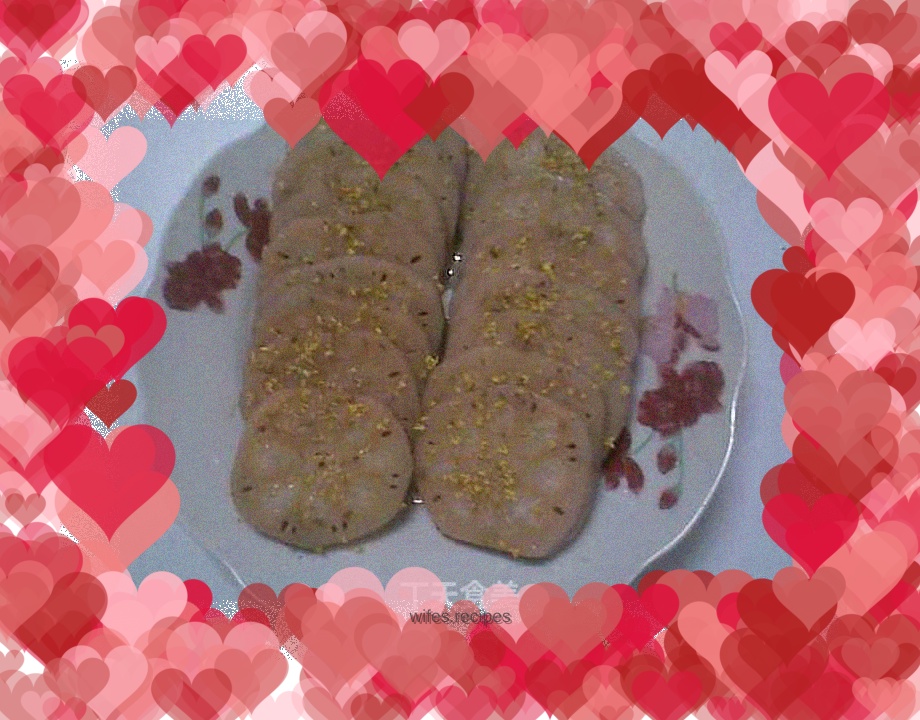
Osmanthus glutinous rice and lotus root
Overview
Nutrition and Diet Therapy Osmanthus Osmanthus Traditional Chinese medicine believes that Osmanthus fragrans has good medicinal value. The ancients said that osmanthus is the root of hundreds of medicines, so the wine brewed with osmanthus can achieve the effect of drinking it to extend your life to a thousand years. Osmanthus fragrans is warm in nature and pungent in taste. It enters the lungs and large intestine meridian. It can be decoctioned, made into tea or soaked in wine for oral administration. It has the effects of warming the middle and dispersing cold, warming the stomach and relieving pain, resolving phlegm and dissipating blood stasis. It has certain curative effects on loss of appetite, cough due to phlegm, hemorrhoids, dysentery, and amenorrhea and abdominal pain. Black tea is warm in nature, has the functions of warming the spleen and stomach, aiding digestion, and can promote appetite; brown sugar has the effects of nourishing qi and blood, strengthening the spleen and warming the stomach, dispelling wind and cold, promoting blood circulation and removing blood stasis, and is especially suitable for pregnant women, children and people with anemia. Therefore, people with spleen and stomach deficiency and weak spleen and stomach function can drink osmanthus tea to warm the stomach. However, people with symptoms such as epigastric burning and pain, dry mouth, hunger but no desire to eat, yellow urine, sticky stools, etc. are not suitable for people with damp and hot spleen and stomach. 1 flower: dispels cold and breaks knots, resolves phlegm and relieves cough. It is used for toothache, cough and wheezing with excessive phlegm, and abdominal pain with amenorrhea. Osmanthus, glutinous rice and lotus root 2 fruits: warm the stomach, calm the liver, and dispel cold. Used for cold and stomachache. 3 roots: dispel rheumatism and dispel cold. Used for rheumatic muscle and bone pain, low back pain, toothache due to kidney deficiency. Lotus root, also known as lotus root, belongs to the Nymphaeaceae plant and is the rhizome of the lotus. It is thick and knotty, with some small tubular holes in the middle, and there are threads connecting it after breaking. Lotus root is slightly sweet and crisp. It can be eaten raw or cooked, and its medicinal value is very high. Its roots, leaves, flowers and fruits are all valuable and can be used as nourishing medicine. Powder made from lotus root can digest food and stop diarrhea, appetizer, clear away heat, nourish the body, and prevent internal bleeding. It is a good liquid food and nourishing treasure for women, children, women, and the weak and sick. 77.9 grams of water, 1.0 grams of protein, 0.1 grams of fat, 19.8 grams of carbohydrates, 84 kcal of calories, 0.5 grams of crude fiber, 0.7 grams of ash, 19 mg of calcium, 51 mg of phosphorus, 0.5 mg of iron, 0.02 mg of carotene, 0.11 mg of thiamine, 0.04 mg of riboflavin, 0.4 mg of niacin, and 25 mg of ascorbic acid. 1. Lotus root contains starch, protein, asparagine, vitamin C and oxidase components, and is also high in sugar. Eating fresh lotus root raw can clear away heat and relieve annoyance, quench thirst and stop vomiting. If the fresh lotus root is squeezed to extract juice, the effect is even greater. The cooked lotus root is sweet and warm in nature, can strengthen the spleen and appetite, benefit blood and heart, so it mainly nourishes the five internal organs, and has the effects of digestion, thirst and muscle growth. 2 Lotus root slices Lotus root also has medicinal value. When eaten raw, it can clear away heat and moisturize the lungs, cool blood and remove blood stasis; when eaten cooked, it can strengthen the spleen, appetizer, stop diarrhea and solidify essence. Elderly people often eat lotus root, which can regulate appetite, nourish blood and marrow, soothe the nerves and strengthen the brain, and has the effect of prolonging life. 3. Autumn is the time when fresh lotus roots are on the market. In addition to containing a large amount of carbohydrates, fresh lotus root is also rich in protein and various vitamins and minerals. Glutinous rice is glutinous rice with hulled rice. It is called glutinous rice in southern China, while in the north it is mostly called glutinous rice. It is the main raw material for making sticky snacks, such as rice dumplings, eight-treasure porridge, and various desserts. Glutinous rice is also the main raw material for brewing glutinous rice wine (sweet rice wine). 1. Glutinous rice contains protein, fat, sugar, calcium, phosphorus, iron, vitamin B1, vitamin B2, niacin and starch. 2. Warm and tonic food, which has the effects of replenishing the middle and replenishing qi, strengthening the spleen and stomach, and stopping sweating. It has a certain effect on relieving poor appetite, bloating and diarrhea. 3. Suitable for people with physical weakness, spontaneous sweating, night sweats, hyperhidrosis, blood deficiency, dizziness, spleen deficiency and diarrhea.
Tags
Ingredients
Steps
-
Wash the glutinous rice and soak it for 12 hours in advance

-
Wash and peel one section of lotus root

-
Cut off a small section from one end of the lotus root to make a lid

-
Wash the cup and put the lotus root cut side up into the cup

-
Pour away the water in which the glutinous rice was soaked, wash the glutinous rice again, drain the water, add three teaspoons of sugar and mix well

-
Prepare a disposable plastic bowl

-
Cut a small hole 0.6 cm square in the bottom of the bowl near the edge

-
Put the glutinous rice into a bowl, align the small hole at the bottom of the bowl with the lotus root hole, hold the bowl with your left hand, and fill the lotus root hole with rice using chopsticks in your right hand, poking out the firm spots while filling

-
Don't fill it too full. Leave about one centimeter unfilled. It will expand when cooked. Cover the lid and secure it with a few toothpicks

-
Put the lotus roots into the rice cooker, add an appropriate amount of rock sugar, add water to cover the lotus roots, press the cooking button and cook for two hours, turning the lotus roots once in the middle

-
After cooking, remove and let cool and slice into slices, about 0.5 cm thick. Cut each piece and place them next to each other on a plate

-
Pour a little boiled lotus root sugar water, then two teaspoons of honey, and finally sprinkle with dried osmanthus and serve.
