Recipes tagged "Italian Tomato Sauce"
6 recipes found
-
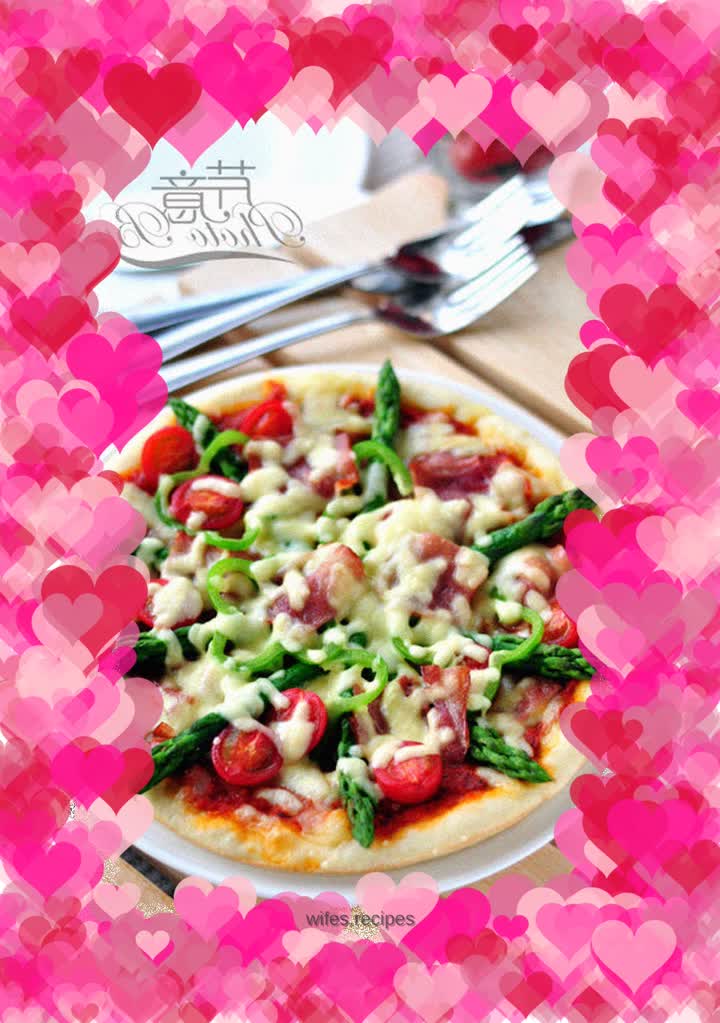
Bacon Colored Vegetable Crispy Pizza
After frying the pizza sauce, you need to quickly bake a few pizzas - today's pizza is based on a thin crispy pizza crust, the fillings are mainly fresh vegetables, and paired with fried bacon. It has a fresh taste and an elegant look. You can use more vegetables, but the portion should not be too large. The key is not to be greedy for too much. In particular, dumpling flour is used to replace high-gluten flour and low-gluten flour, which is convenient for people who are unwilling to buy special flour for a pizza; a bread machine is also used to knead the dough to make pizza crust, which is convenient for lazy people who are unwilling to knead and knead the dough——
Baking old man -
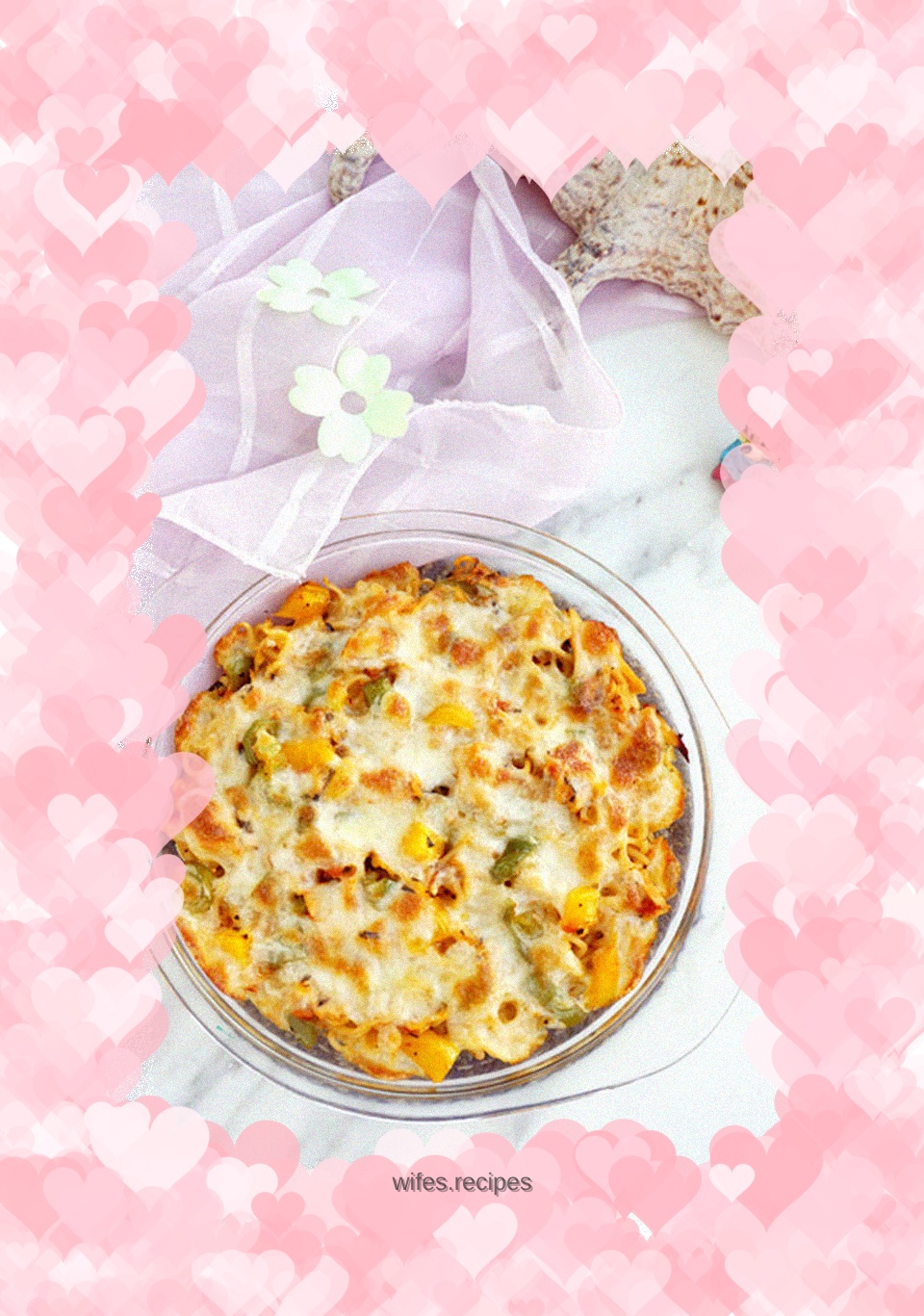
Baked instant noodles
I baked a pizza, and within two days, I encountered leftover instant noodles. The magician's wand suddenly shone. The remaining tomato sauce, add a little homemade Italian tomato sauce, add the remaining green and yellow peppers, the remaining chicken breasts, pour it into the pot and stir-fry it with the remaining instant noodles, then sprinkle with mozzarella and grill it. Leftovers can also be given a gorgeous turn. . . .
Staple food Home cooking -
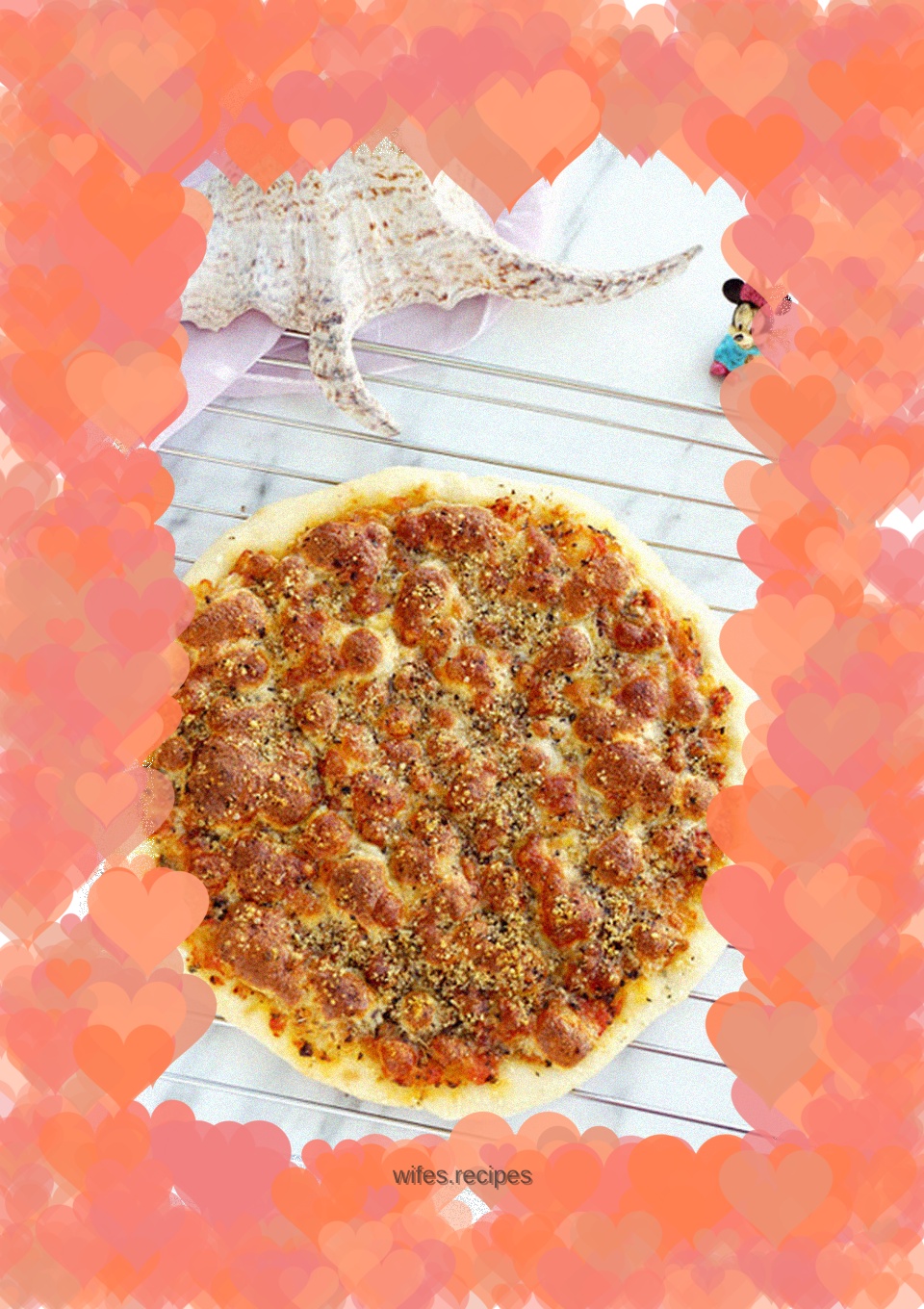
Naples Pizza
In "The Apprentice Baker", this pizza was highly praised. I often hear people say that pizza is the perfect food. . . . . Naples is the birthplace of what we know today as pizza. Genoa has focaccia, Tuscany has flatbread, Sicily has Sicilian pizza, but true Neapolitan pizza is the perfect expression of perfect food. While all pizzas have dough and toppings, I wish only this super version could be called pizza. In the past, when I made pizza by myself, I always tried my best to fill it with fillings, for fear that there would not be enough fillings. However, here, I have always believed that it is the dough rather than the toppings that makes people miss a pizza. I've seen expensive, great-tasting fillings ruined by poor dough, and more often, a good piece of dough was ruined in the oven because the oven wasn't hot enough. The biggest flaw in most pizza dough recipes is not asking the baker to let the dough sit in the refrigerator overnight (or at least for a few hours). Chilling overnight gives the enzymes enough time to work and release the subtle flavors trapped in the starch. Long-term placement can also relax the gluten, reduce the elasticity of the dough, and make shaping easier, so that the dough will not deflate as much as possible. Sure enough, after the dough was taken out of the refrigerator and rested for 2 hours, it was stretched out with a slight lift. It had reached the ideal size without much stretching, let alone tossing. The dough was so soft that it made me feel helpless and clumsy, but I managed to move it to the baking pan without any damage. This recipe can be made with any flour, if using bread flour I recommend adding some olive oil to it to soften it. (Real Neapolitan dough does not add oil when making - this is actually a strict requirement - but that is because Italian flour is naturally looser and softer, and at the same time very extensible and easy to shape.) I found that although high-gluten flour is very elastic, if you give it enough time to stand, it will be very easy to operate. If using all-purpose flour, there is no need to add oil. After hesitating for a moment, I decided to use high-gluten flour. Very few toppings were used for this pizza. Because the book says, remember that the principle of placing fillings is ‘too much is not enough’. Adding too many fillings is often counterproductive, because it will make the dough difficult to bake. We usually put out less than 3 or 4 fillings (including sauce and cheese) and that's enough. In this way, just the sauce and cheese are enough. Referring to the fillings mentioned later, I used mozzarella, cheddar and Parmesan cheese, each accounting for one-third, plus all the spices on hand. In the end, a pizza that looks very thin is baked, which is undoubtedly very subversive for pizzas that are layered with various vegetables, fruits, and sea, land and air meats. No wonder someone later saw this flat pizza and said disdainfully, if the dough is the key point, then why do you need toppings? Baking pizza at low temperatures will ruin the dough because it takes longer to brown, during which time all the water evaporates and the dough becomes mushy and dry. Therefore, keeping the oven and baking stone hot is the secret to baking good pizza. The direct race between pancake color and cheese melting is one of the most dramatic aspects of baking, and if they can happen simultaneously, the taste of the finished product will be something you’ll never forget. The thinner and more evenly you stretch the dough without tearing it, the greater the likelihood that both of these things will happen at the same time. There is no mention of oven temperature settings in the steps. This is probably the only place in this book where oven temperature is not explicitly mentioned. Only baking time - 5-8 minutes. Turn to the above and find a sentence. Over the years, most of the baking temperatures given in cookbooks are 177-218°C. You rarely see instructions for adjusting the oven temperature to the extreme. But if you want to bake a good pizza at home, you have to make it. I have never used the highest temperature of an oven, and I can’t imagine what it would be like. I am somewhat worried that the oven will burn out? Fire? Gritting my teeth, I learned for the first time that this oven can be adjusted to a maximum temperature of 270 degrees. The discoloration of the dough and the melting of the cheese did not occur at the same time. The cheese had melted and burned into a golden brown shell, but the edges of the dough were still white and not as golden as desired. The dough does not need to be formed into 'ears', but sometimes the finished product will take on this shape naturally. The edges of pizza are usually thicker than the middle so that the toppings don't flow out. However, you don’t need to roll the edges, you need to let them puff up on their own so that the edges of the dough are lighter and filled with air. It seems like there are no ears on this pizza, although its cross-section shows that the edges are indeed thicker than the middle. Next time, maybe add some mozzarella. Also, what would be the result if the temperature was lowered?
Baking Afternoon tea -
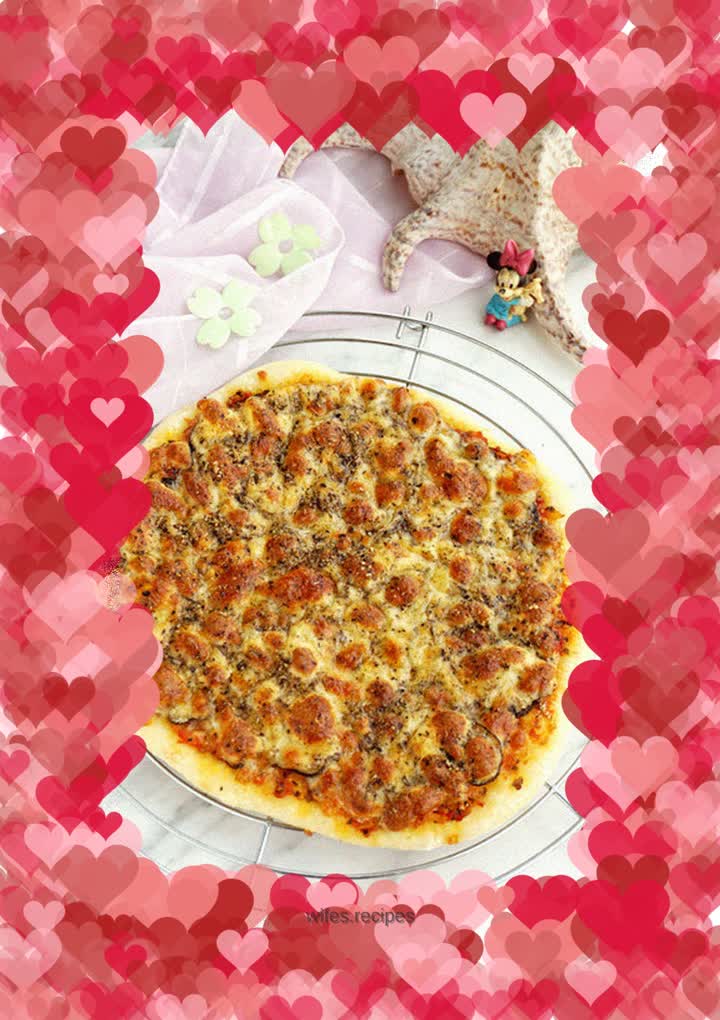
Truffle Neapolitan pizza
Just finished a Neapolitan pizza and it was good, although the cheese was a bit dark on the surface. The meaning is still not finished. Suddenly I thought of truffles, and suddenly I had the idea to add truffles to the Napoli pizza again. The three fillings: sauce, truffle, and cheese should be within the range of 3-4 mentioned in the book, right? This time, I turned the dough around twice in my hand, but of course, I still couldn't throw it away. After shaping, put the dough directly into the baking pan without moving it any further. However, the large and thin dough still lost its shape. Since the previously set maximum temperature baked the cheese into a dark color, the temperature was adjusted to 230 degrees, the most commonly used temperature range in "Apprentice Baker". Let's see what the result will be at this temperature. The coloring speed of the cheese and bread was still not consistent. I saw that the color of the cheese could no longer be darker, so I hurriedly took it out of the oven. The Neapolitan pizza with truffles has a unique flavor and texture, which is really good. . . .
Baking Summer Recipes -
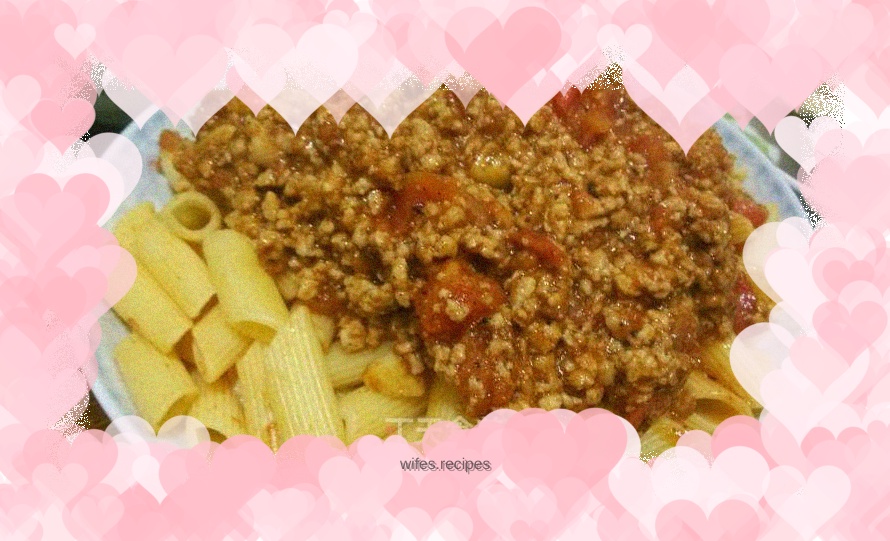
Penne with Tomato Bolognese Sauce
Italian style~
Hot dishes Cornstarch -
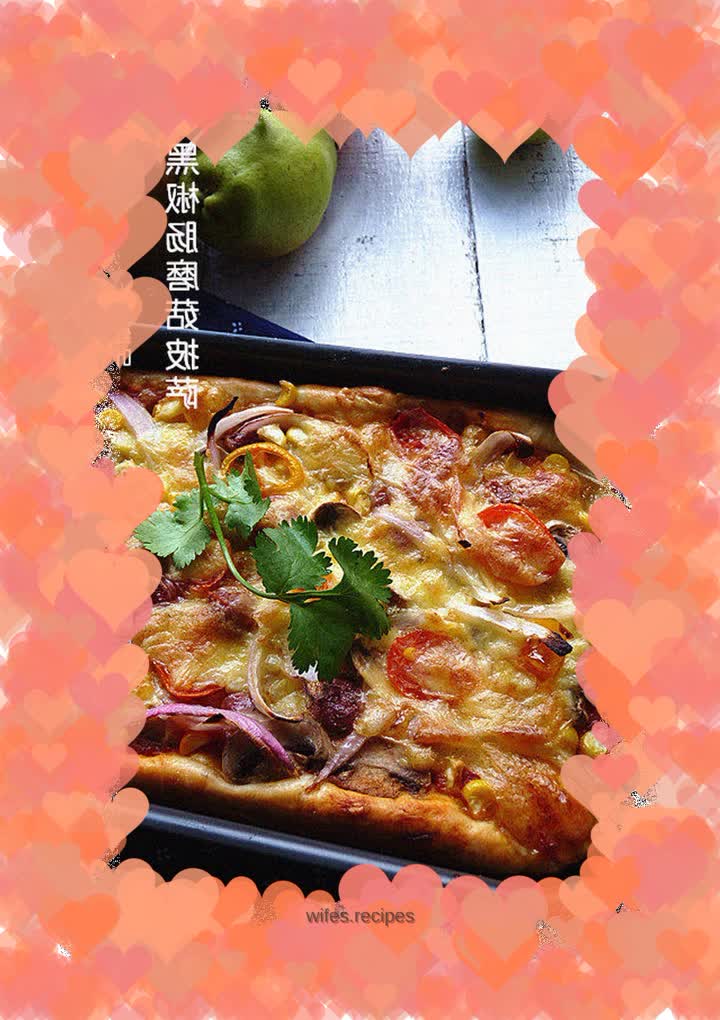
Black Pepper Sausage and Mushroom Pizza
Learn how to cook Black Pepper Sausage and Mushroom Pizza with Baking and children.
Baking children