Natural yeast panettone, wishing all my friends Merry X'mas
Overview
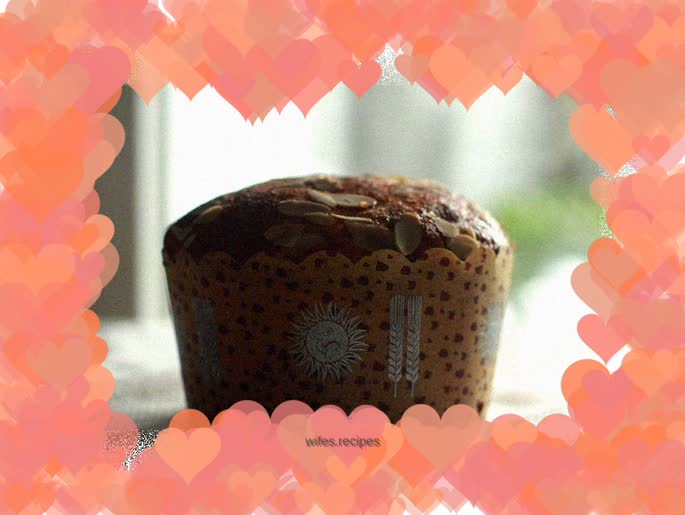
Christmas is here, and I always want to make something suitable for the occasion. The Stollen I made last year was fun and I made strawberry Christmas figures and broccoli Christmas trees. This year I will make natural yeast panettone. Although it takes time, the amazing taste of the finished product makes it all worth it. It has a very fluffy and light texture, mixed with the acidity of natural yeast, full of flavor, rich in layers, soft and moist. Lao Wu said it looked like cake, but in fact it was clearly bread. The natural yeast fermentation lasts for tens of hours, which precipitates a richer taste.
Tags
Ingredients
Steps
-
Feeding of yeast. Panettone requires Italian yeast. No matter what ratio of natural yeast you have, please convert it to a moisture ratio of 50%. Then take 50g of yeast, 50g of flour and 25g of water, knead evenly, and ferment at about 26°C for 4 hours. The dough will at least double in size. This process needs to be repeated for 48 hours in order to keep the yeast active. Because panettone is a bread with high oil and sugar, too much oil and sugar will affect the fermentation of the dough. If the fermentation activity is weak, the dough will not expand, and the taste and texture will be very poor. For a working person like me, feeding every 4 hours is simply impossible. My solution was to feed three times a day and extend the feeding period from 48 hours to 60 hours. If making bread on the weekend, start feeding the yeast on Wednesday morning. The schedule is as follows: Feed once on Wednesday morning, 50g yeast, 50g flour, 25g water, fermentation box 26℃. Feed once on Wednesday from 2 to 3 pm (my mother helps me), 125g yeast, 125g flour, 63g water, fermentation box 26℃ Wednesday night. Feed once at 10 o'clock, take 50g of yeast, 50g of flour, 25g of water, and keep the fermentation box at 22°C (actually it will be higher, because the room temperature at this time is about 24°C). Store the excess yeast in a crisper in the refrigerator. You can steam steamed buns and steamed buns. I have tried them all and they are delicious. Repeat Wednesday's process on Thursday. Repeat the morning and afternoon steps of Thursday's process on Friday. Come home from get off work on Friday night and start making panettone.

-
Take the egg yolk and beat it

-
Mix yeast, 1 flour, 1 egg yolk, 1 water (10g can be left as adjustment), 1 sugar, beat with a chef's machine to the expansion stage.

-
Cut butter 1 into 1cm square pieces, mix into the dough in step 3, and beat until complete. The dough is very chewy and can come out of the bowl. It should be noted here that the dough will not completely leave the cylinder like sweet bread dough, toast dough or even European bread dough. It is a bit similar to baguette dough and is very wet and sticky. Dough #1 is completed.

-
Ferment dough #1 for about 8 hours (26°C), and the dough will at least triple in size. I just got up on Saturday morning after posting.

-
Make dough #2. Mix the egg yolks, sugar, honey, vanilla extract, and salt, stir evenly with an egg beater, add dough #1 and flour, beat evenly with a mixer, add all the butter (the butter must be cut into small pieces, not large pieces, I cut it into about 1cm square), knead until the dough is complete, then add all the water (I think this part of the water is for regulating, so I added it all), and then knead until the dough is very chewy and smooth. I took the photo alone, so I made up one photo, which is a bit blurry.

-
Mix all the rum-soaked dried fruits into dough #2. For the dried fruits, I used raisins, dried cranberries, diced orange peels, dried kiwis, some wolfberries, and golden rum soaked for a week. Absorb water when using.

-
The dough mixed with dried fruits is also very chewy and can wrap the dried fruits well.

-
The 4-inch mold I used has two bamboo sticks threaded through the bottom of the mold for the final undercut

-
Divide the dough, each dough should be about 200-210g. After dividing, use both hands to shape into a round shape alternately, and put it into the mold. Mine is a 4-inch mold. The final product is 9 pieces, with a little more dough.

-
The fermentation box is 30°C, fermentation is 3-4 times larger, and the mold is about 9 minutes full. About 7-8 hours. It was dusk on Saturday. The dough must be strong enough before it rises very high.

-
To make the coating sugar on the surface, mix 50g egg white, 50g almond flour, 5g cornstarch, 5g cocoa powder, 5g oil, 3g and above all ingredients evenly, beat with an egg beater. Remember to use the remaining egg whites and never beat new eggs. Spread on the surface of the fermented dough and sprinkle with almond flakes for decoration. I forgot to take a photo, and I didn’t remember until I was already in the oven, so I took a photo of the inside of the oven, and you can vaguely see the coating.

-
Bake in the oven at 175°C (preheat to 200°C) for 35 minutes, cover with tin foil for the last 5 minutes. Each oven is different, so you have to decide the time based on the temperament of the oven and the condition of the dough.

-
Leave on for at least 3 hours, preferably overnight. In fact, it’s okay to bake it until it’s cooked through without turning it upside down. I put the extra dough in paper cups, and it didn't turn upside down or collapse. The reason for undercutting is because the dough is very light and the tissue is afraid of being crushed.

-
Finished product

-
Finished product

-
Tear the paper

-
Organization

-
Organization

-
Organization

-
I'm very fond of paper bags lately, they look pretty good when packed in.
