Regular sandwich bread
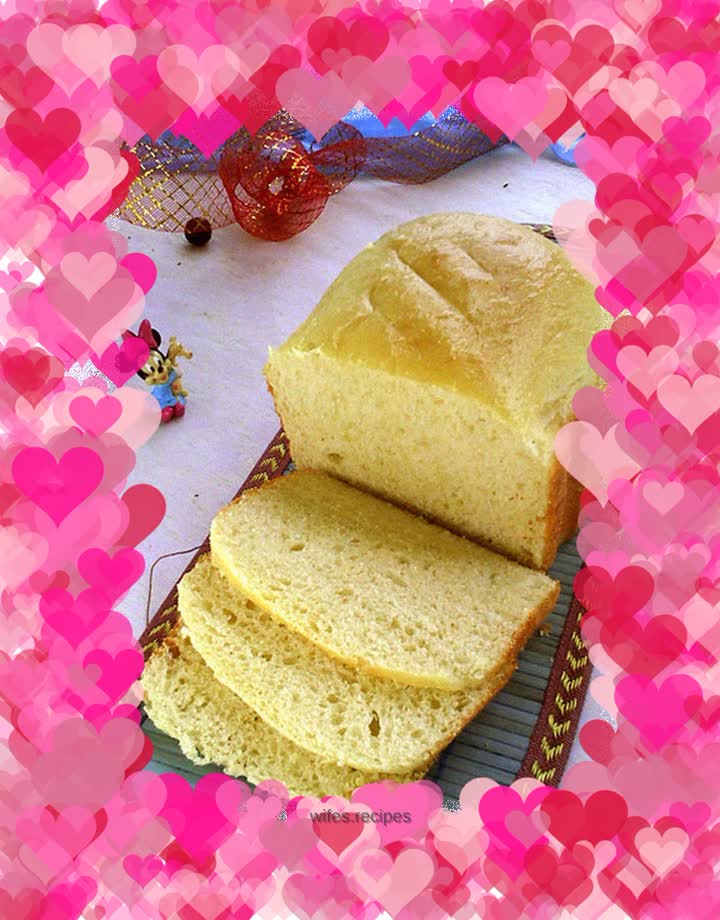
Overview
Start from scratch. Although I make a lot of bread, I rarely use the bread machine. When it comes to making bread with a bread machine, I’m actually still at a loss. I have never cared much about the program differences between bread machines for European bread, French bread, rice bread, etc. I always like to call the bread program a fool's program: add ingredients - press keys - collect vegetables - eat - OVER. As simple as it is, even a fool can do it. The bread machine manual never tells you what the differences are between these programs. Until I accidentally caught a glimpse of the saying that French bread has sufficient fermentation time, and the 6800's brief description of the self-written program seemed to explain various bread programs whose total time-consuming seems to be the same. The difference may come from the different control of the time of each process. Temperature may also be an aspect, but there is no way to speculate. From this, can we say that the bread machine makes bread with different flavors and textures by controlling the time of each step of making bread? This is actually easy to measure: start different programs to make different breads, and stay by the bread machine to record the time spent in each step of each program based on the flashing of the display. However, what foodies care about is not the data, but the texture and taste. So, the question becomes, what are the differences between these seemingly similar recipes using different procedures to make bread? Of course it’s just sampling, how can I have the stomach to try them all? Right from the beginning of the program. ——As far as the food ingredients list is concerned, the first ingredient has the largest amount. Can we infer from this that European-style bread, which ranks first in the bread program, has the widest audience? No need to look far and wide for so-called classic recipes. Just use the standard recipe of Petrus 6800 - since it is made for bread machines. Choose the smallest portion to shorten the turnaround time. In fact, I was quite hesitant when I looked at this recipe - do these 20 grams of sugar and 2 grams of salt seem sweet to 220 grams of flour? Or is it salty? Although I wanted to reduce the sugar, I restrained myself and copied all the recipes. The end result is neither sweet nor salty. Facts have proved once again that sugar and salt complement each other.
Tags
Ingredients
Steps
-
Materials

-
First pour the water and eggs into the bread bucket

-
Add salt, sugar, butter

-
Pour in high-gluten flour

-
Poke a hole in the high-gluten flour and put dry yeast into the hole

-
Put the bread bucket into the bread machine and lock it

-
Close the lid, choose medium roast color and 500g

-
Press the start button and the bread machine starts working

-
During the kneading process, you can use a scraper to scrape the powder attached to the edge into the bottom of the bucket

-
When the bread machine enters the baking stage, open the lid and brush the surface with egg wash

-
The bread machine finishes working and the beep sounds

-
Take out the bread bucket and push out the bread

-
Turn over and place on a wire rack to cool

-
Slice and eat
