Colorful Easter Eggs
Overview
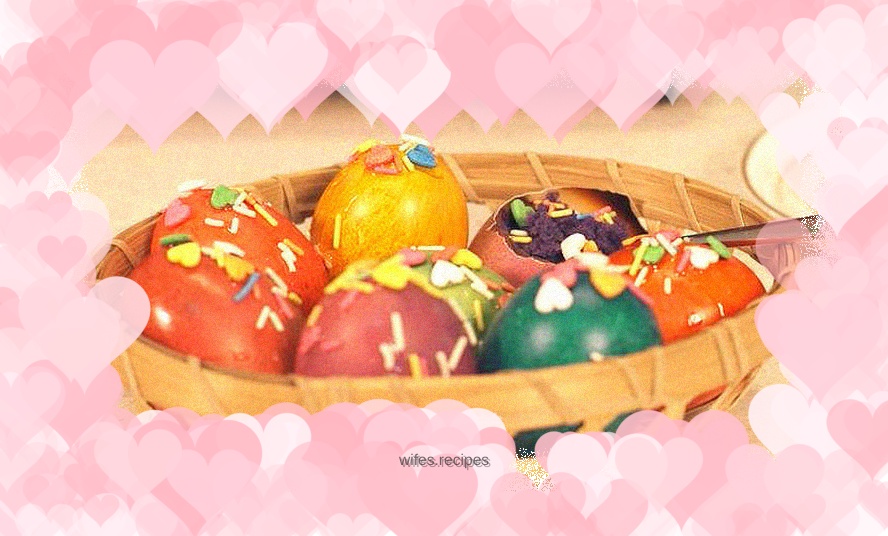
In the 12th century, people added eggs to Easter festivals. The eggs were often painted red, and some were painted with colors and smiling faces. Therefore, they are generally called Easter eggs (also commonly called Easter eggs). The original symbolic meaning of the egg was for spring - the beginning of new life. Christians use it to symbolize the resurrection of Jesus and his coming out of the stone tomb. Easter eggs are the most important food symbol in Easter, symbolizing the beginning and continuation of life. Nowadays, there are many kinds of Easter eggs in different forms, such as hollow egg carvings, which can also be classified as Easter eggs in a broad sense.
Tags
Ingredients
Steps
-
First knock a small hole in the egg

-
Flip the eggs so that the egg liquid flows into the container, and set aside for later use

-
Rinse the outside of the egg shell with clean water and then dry it

-
Apply food coloring

-
Place the coated egg shells on the grill to dry and set aside

-
Melt the butter, add lemon zest and cook until caramel color turns off the heat.

-
Pour 110 grams of egg liquid and 60 grams of powdered sugar into a large bowl and stir

-
Sift the flour and baking powder into the

-
Put the butter into a piping bag and continue to stir until it becomes a paste

-
Divide the egg batter into 6 equal portions, drop in food coloring, stir to add color, and put into a piping bag

-
Place tin foil on the baking grid, place the eggshells on the tin foil, and pour the egg batter

-
Select temperature 200 degrees and time 12 minutes

-
Take out the baked eggs and decorate them with fondant and sugar beads

-
Done!
