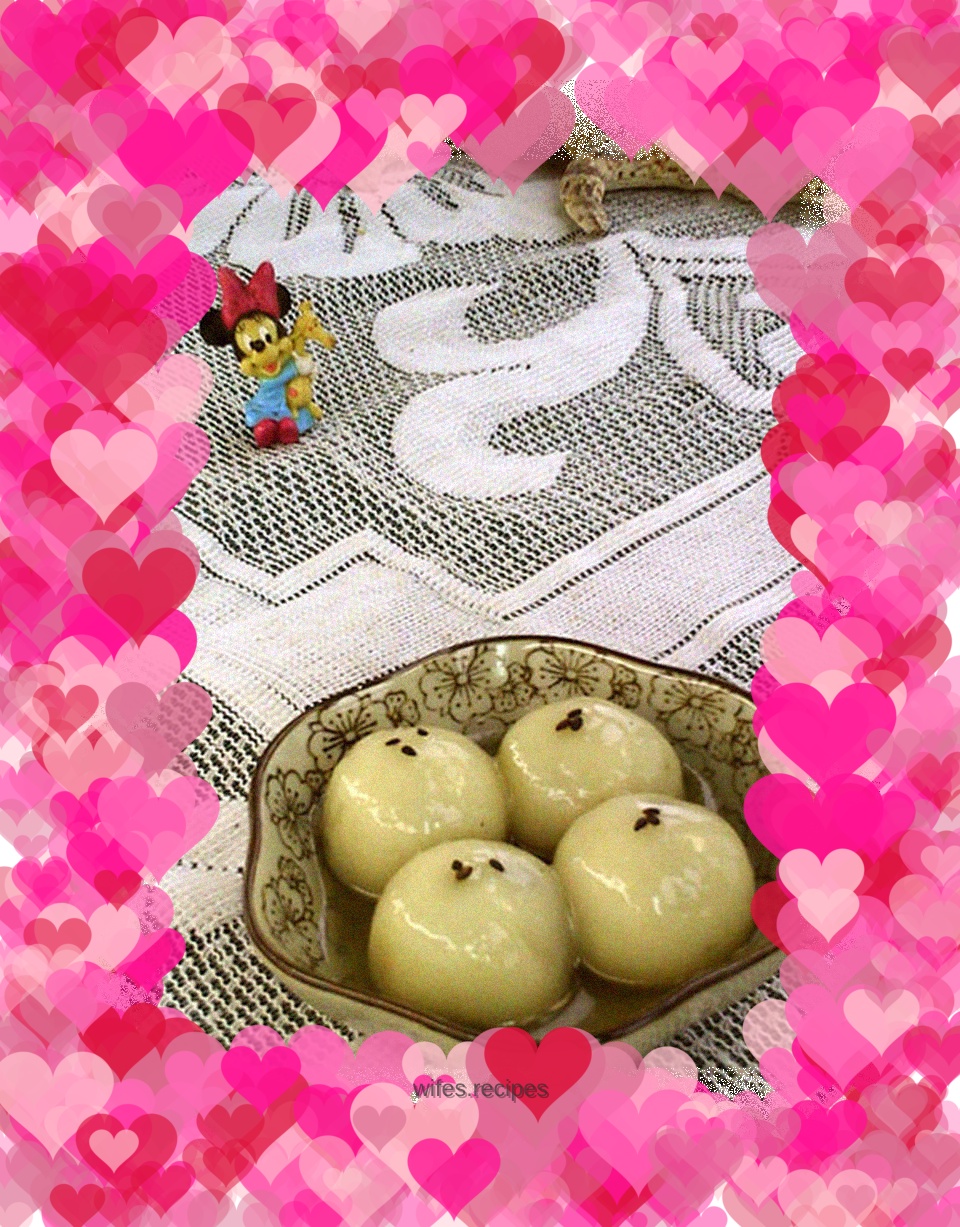
Tangyuan with tangerine peel, poria, sesame and glutinous rice balls
Overview
The name is a bit long, but it’s actually just a little tangerine peel added to the sesame and poria glutinous rice balls. Three things, but only sesame is the filling. Tangerine peel and Poria cocos are both used as peels. Tangerine peel can strengthen the stomach, regulate qi, eliminate accumulation and induce stagnation. However, it is not added directly to the dough. Instead, water is boiled first, and then the cooked tangerine peel water is used to knead the noodles. When cooking glutinous rice balls, the tangerine peel is put into the water and cooked together with the glutinous rice balls. I didn’t dare to use it too much, because the dried tangerine peel water had a somewhat special bitter taste, and I was afraid that it would be off-putting if I used too much of it. From the first to the fifteenth day of the Lunar New Year, we eat glutinous rice balls to celebrate the new year. Although there has never been a feeling of celebrating the New Year, the year is finally over.
Tags
Ingredients
Steps
-
Dough ingredients

-
Tangyuan stuffing

-
Wash the tangerine peel, put it into a pot, add water and cook for 15-20 minutes until the soup color becomes clear. Remove from heat and let cool

-
Mix glutinous rice ball powder and poria cocos powder, add cooled tangerine peel water

-
Knead into a uniform dough

-
Divide into 30 equal parts

-
Press to exit the nest

-
Add glutinous rice dumpling filling

-
Wrap up and close, roll into a ball

-
Wrap them one by one.

-
Pour the remaining tangerine peel water into the pot together with the tangerine peel, add water and bring to a boil

-
Add the glutinous rice balls and turn to low heat

-
Use a spoon to gently push the sticker from the bottom,

-
Keep it boiling over low heat until all the glutinous rice balls float

-
Serve out and eat
