【Xinchang】Taro Dumplings
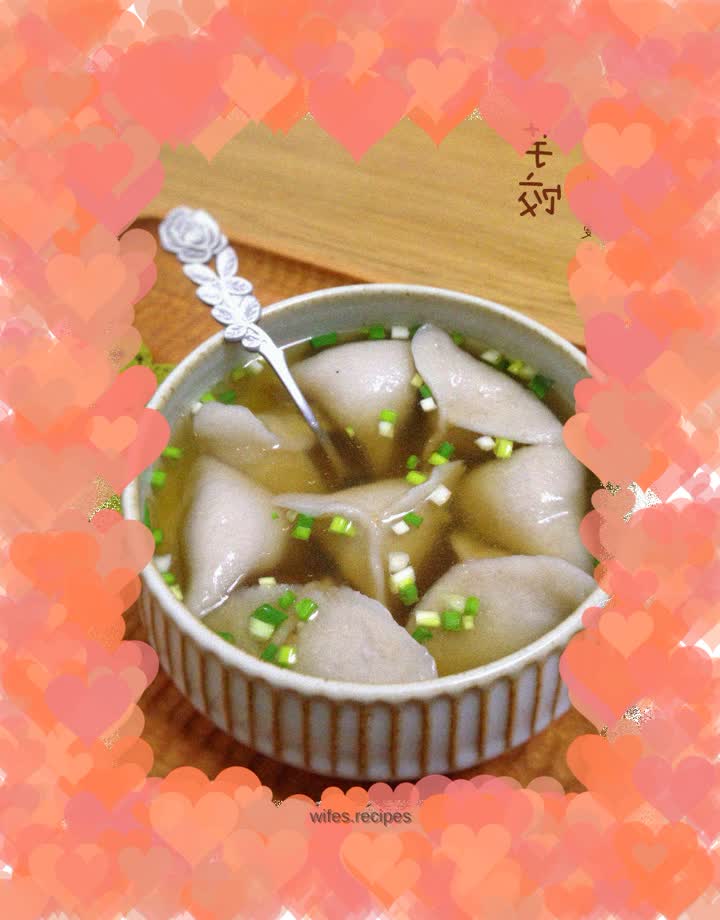
Overview
Taro dumplings are a delicacy that I remember as a child. They were usually eaten during weddings. They are smooth, chewy and fragrant, and are truly delicious. Taro dumplings are traditional Han pasta in Jiangxi, Fujian, Zhejiang and other places. Instead of using taro, use taro. Its texture is fine, soft and waxy, tender, thick and sticky. After being made, the meat filling of taro dumplings is very delicious, and the taro dumplings' dough can keep all the water out, completely isolating the soup in which the taro dumplings are cooked. They taste glutinous, soft, smooth and delicious. The method of making taro dumplings is very unique, they are all made by hand. Xinchang people have been eating taro dumplings for at least hundreds of years. At least during the Qianlong period of the Qing Dynasty, it has become a local food. It is said that taro dumplings were invented by northerners who migrated south. They adapted to local conditions and creatively invented this snack by combining local specialties taro and sweet potato with the way northerners make and eat dumplings. Taro and sweet potato starch taste just average when eaten alone; but when taro and sweet potato starch are kneaded together, a delicious dish is born.
Tags
Ingredients
Steps
-
Clean the taro skin and steam it in a pot.

-
After steaming, pinch them one by one with your hands while they are still hot, and peel off the soft ones (remember, only the soft ones, not the hard ones).

-
I first use a food processor to grind the sweet potato flour into a fine powder, because the sweet potato flour I buy usually comes in very small lumps, so it is best to break it or use a rolling pin to roll it into powder first.

-
First put part of the peeled taro into the sweet potato flour.

-
Then add taro according to the actual situation and knead it into a dough of moderate hardness.

-
The dough at this time is still easy to crack during the wrapping process, so we need to take about 1/3 of the dough, boil it in boiling water for one or two minutes, then take it out, mix it with the original dough and knead it evenly. If it is too sticky, you can add a little more dry powder.

-
The kneaded dough should be moderately soft and hard and more elastic. At this time, be sure to cover it with a damp cloth to prevent the surface from drying out.

-
Take part of the dough and roll it into small pieces a little bigger than your thumb, and still cover them with a damp cloth.

-
Take a small amount and shape it into a thin round shape, not too thin.

-
Add appropriate amount of winter bamboo shoots, mushrooms and pork stuffing.

-
Wrap into triangle.

-
Sit in rows (if there are too many bags, you can put them in the refrigerator)

-
The cooking method is the same as boiling dumplings. I like to add some paprika to the soup, which is the taste I remember from my childhood.

-
Finished product
