Boil lard
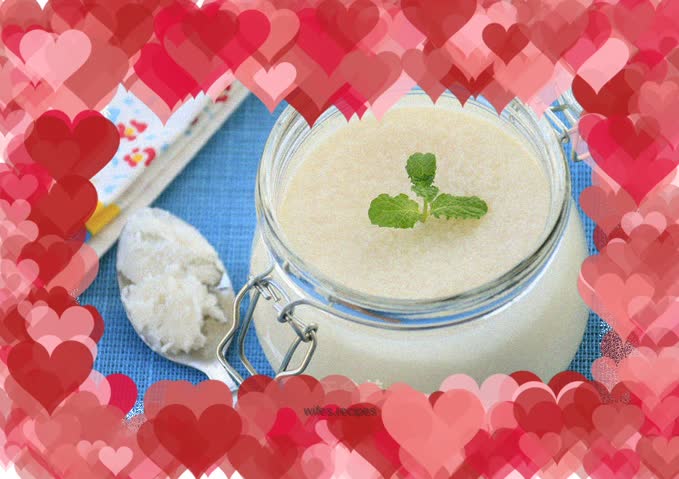
Overview
1. Add [Azalea Food] to the WeChat official account to subscribe to the food recipes and weight-loss experiences that I carefully edit for you every day! Health scientist Dr. Ximu said: Lard is the healthiest oil. It is popular among modern people to eat vegetable oil, and lard is regarded as the culprit of the three highs. Professor Nishiki completely overturns this concept. Contrary to popular belief, scientists have recently discovered that natural fats such as fatty meats, fish oil, egg yolks, lard, sheep fat or butter are actually good fats, and our ancestors have eaten them for millions of years. Our ancestors consumed four times as much fat and cholesterol as we do every day (all eaten raw), but they did not suffer from obesity or other symptoms. This is good evidence. Therefore, Professor Nishiki made an unexpected announcement: lard is the healthiest! Because lard contains the most saturated fat and produces less free radicals. People have always thought that eating lard will make you gain weight. In fact, lard does not cause obesity. As long as it is not used for fried foods, using lard for quick stir-fry and making soup are very healthy ways of eating. Animal oils such as beef tallow and mutton fat are also relatively safe. In fact, we should not underestimate lard. Lard also has good therapeutic effects. Lard is sweet, cool, and non-toxic. It has the functions of tonifying deficiency, moistening dryness, and detoxifying. It can treat dryness of internal organs, difficulty in defecation, dry cough, and chapped skin. It can be taken orally as medicine, made into ointment, or taken into pills. Apply externally as ointment to the affected area.
Tags
Ingredients
Steps
-
pounds of suet. Suet is the oil in the pig's belly. It is best to use suet to boil lard. Suet produces a large amount of oil and the taste of the oil is more mellow.

-
Wash with suet and warm water and cut into small pieces.

-
Prepare a small bowl of water. When boiling lard, add a little water to make the lard more fragrant and milky white in color.

-
Put suet into the pot, add half a bowl of water, turn to low heat and cook, stirring occasionally. The lard in the pot will be milky white at first, and as the water slowly dries up, the lard will turn into a clear egg white color.

-
It's almost done when all the oil residue floats and turns brown. Add 10 peppercorns and fry slowly over low heat for 2-3 minutes. Adding peppercorns can remove part of the fishy smell of animal fat, or you can leave it out.

-
Then fish out the oil residue. Do not throw away the oil residue. It can be used as stuffing, steamed buns or dumplings, both of which are very delicious.

-
When the oil is warm, strain it through a sieve.

-
Store the filtered oil in a clean, water-free sealed jar.
