Whole egg black rice cake
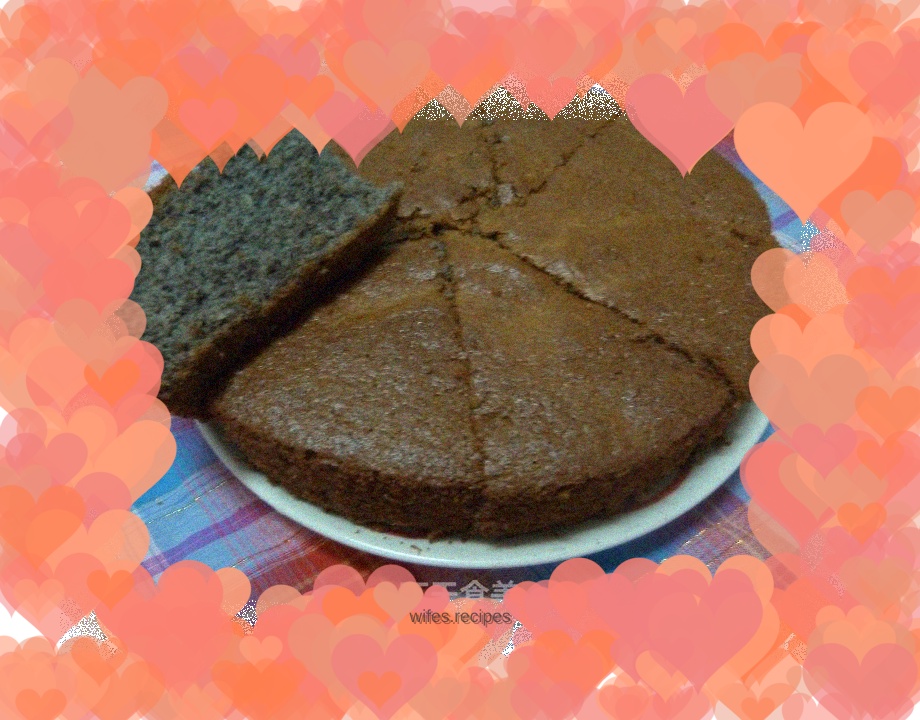
Overview
After the opening chapter about bread, I used whole egg cake as the second record. The reason for this arrangement is based on my personal considerations, because in terms of my own learning experience, I learned to make bread first. Then if there are failed works in the subsequent studies, we can avoid waste and use the failed semi-finished products to bake bread! For example, for whole-egg cakes, which have a very high failure rate for beginners, everyone knows that a very critical part of making a cake is to beat the eggs. If it succeeds, everyone will be happy, but if it fails, you must be prepared. That is to put baking powder and high flour into the failed egg batter to ferment together. When making bread, experienced generals on the battlefield all say not to fight an uncertain battle, and the same goes for baking. Before we start learning to make a pastry, we must be prepared for success or failure, so that we can avoid wasting too many raw materials in learning. I have always been against waste! Yesterday I saw black rice noodles in the supermarket. I thought that making black rice cake might have a special visual and taste effect. So good, now let’s get into practice!
Tags
Ingredients
Steps
-
Prepare all the ingredients. I forgot to beat the eggs here, and a pinch of salt

-
Now sift the low flour and black rice flour separately

-
Put melon seed oil (or other edible oil) and milk together and stir well

-
Beat eggs and powdered sugar together

-
Place the mixed eggs and powdered sugar in water at 36 degrees Celsius and stir until the temperature reaches 36 degrees Celsius. Test the temperature with your fingers from time to time until the temperature of the egg liquid reaches about 35 degrees Celsius. Take it out and beat it with a whisk

-
Use a high-speed whisk to beat the egg liquid

-
Beat the egg liquid until there are no rough bubbles and there are very fine bubbles on the surface. Add a few drops of white vinegar

-
Continue to beat. At this time, the egg liquid will expand greatly and the texture will be obvious

-
Lifting the egg beater, the egg liquid hanging on the egg batter is about three centimeters in length. The low egg batter looks sticky and will not disappear easily. The surface of the egg liquid is delicate, smooth and shiny, and the color is close to milky white. Personally, I think I can beat the egg batter for a while longer, but I don’t want the finished product to taste too dry, so I stopped here. In short, the egg liquid must be beaten until the egg liquid swells and stabilizes, so as to better avoid defoaming during the mixing process

-
Add the low flour and black rice flour in two or three times (you can mix the low flour and black rice flour before) and quickly stir from bottom to top. Remember not to stir in circles, otherwise defoaming will occur

-
Add the low flour and black rice flour in two or three times, and add a pinch of salt. (You can mix the low flour and black rice flour beforehand.) Quickly stir from bottom to top. Remember not to stir in circles, otherwise defoaming will occur

-
After the flour is evenly mixed, pour in the mixed milk and melon seed oil. In order to avoid defoaming, you can first separate one-third of the egg batter and mix it with the liquid, and then mix it with all the egg batter. I poured it in directly to save time. Fortunately, there is no defoaming. Here you can reflect the importance of stable egg liquid whipping

-
After the flour is evenly mixed, pour in the mixed milk and melon seed oil. In order to avoid defoaming, you can first separate one-third of the egg batter and mix it with the liquid, and then mix it with all the egg batter. I poured it in directly to save time. Fortunately, there is no defoaming. Here you can reflect the importance of stable egg liquid whipping

-
After the noodles are evenly stirred, pour in the mixed milk and melon seed oil. In order to avoid defoaming, you can first separate one-third of the egg batter and mix it with the liquid, and then mix it with all the egg batter. To save time, I poured it in directly. Fortunately, it didn’t defoam much. Here you can reflect the importance of stable egg liquid whipping

-
After quickly stirring evenly, pour into the mold. I used an 8-inch cake mold here. Preheat the oven to 170 degrees and bake for 30 minutes (the temperature and time can be used flexibly according to the temperament of each oven)
