Stir-fried squid
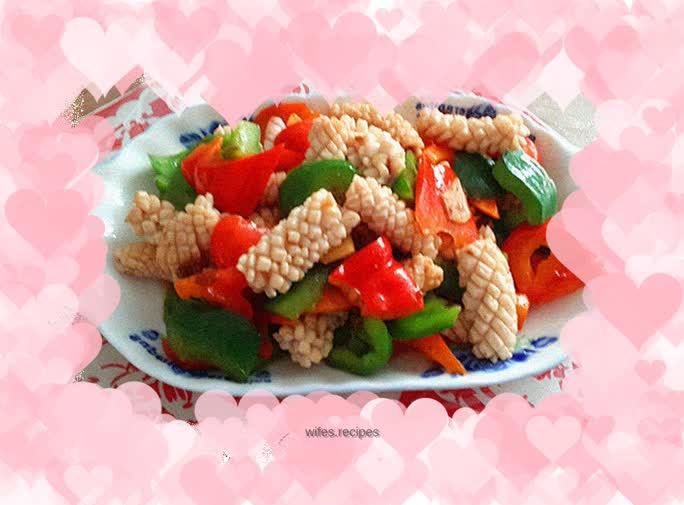
Overview
The nutritional value of squid is very high. It is rich in protein, calcium, taurine, phosphorus, vitamin B1 and other nutrients needed by the human body, and the content is extremely high. Additionally, the fat content is extremely low. Cholesterol content is higher. Each 100 grams of fresh squid meat contains about 15 grams of protein, and the vitamin A content is 230 international units, which is about twice that of squid. Although it is delicious, it is not suitable for everyone. Patients with cardiovascular and liver diseases such as hyperlipidemia, hypercholesterolemia, and arteriosclerosis should eat with caution. Squid is cold in nature, so people with weak spleen and stomach should eat less. Squid is a hairy food and should not be eaten by people suffering from eczema, urticaria and other diseases.
Tags
Ingredients
Steps
-
Ingredients are on standby.

-
Remove the internal organs from the squid, tear off the red skin, and wash it clean.

-
Cut the squid in the middle, with the inner side facing up, and make a diagonal cut at a 45° angle.

-
After marking, change the direction of the squid so that it is at a 90° angle to the previous marking, and then mark the squid diagonally.

-
Cut into small pieces and set aside.

-
The two squids were all cut.

-
Cut the bell pepper into pieces and add a spoonful of soybean paste and set aside.

-
Boil an appropriate amount of water in a wok, blanch the squid in the water, roll up the squid and pick it up immediately.

-
Heat the oil in the pan, add the bell peppers and ginger slices, and stir-fry for a while.

-
Add squid and soybean paste, stir-fry quickly and serve.

-
Finished product.
