Xiaomi Qifeng
Overview
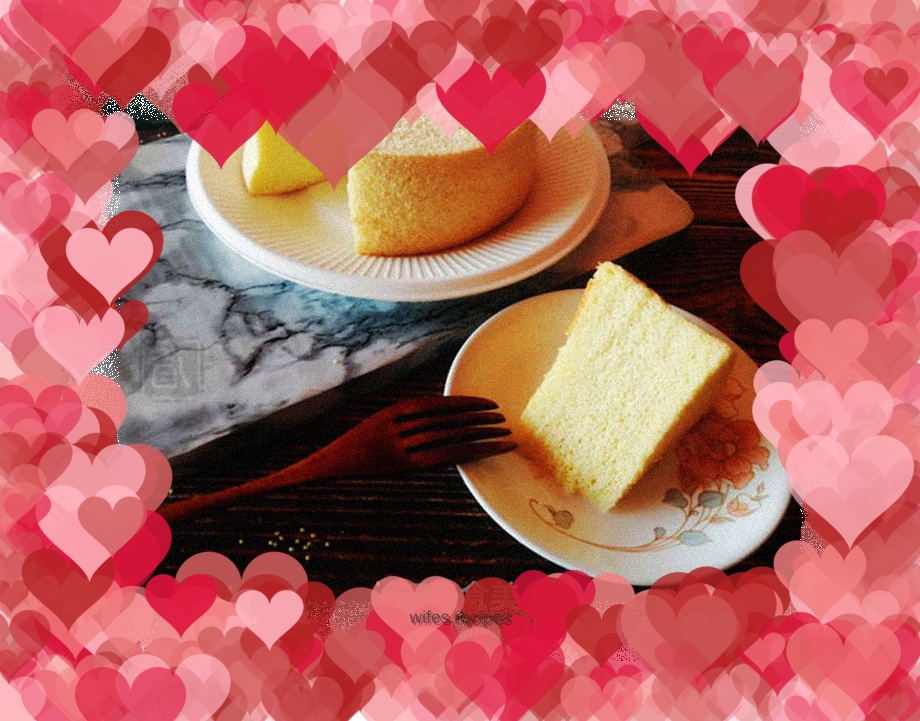
The ingredients for Qifeng are nothing more than eggs, flour, water, oil, and sugar. Eggs and duck eggs have all been made into chiffon, and low-gluten flour, medium-gluten flour, corn flour, and glutinous rice flour have all been made into chiffon. Today I want to use millet to make it. Golden millet makes people happy just to look at it, but grinding it into powder and then sifting it is a bit troublesome. I don’t want to be in trouble, so I boil it into porridge and then beat it into millet paste. I add a little low-gluten flour to make soft, soft, golden and fluffy millet chiffon. Notes: 1. There is too little millet porridge to make it difficult to boil. Beat it into rice paste and take 70 grams. 2 The quantity given in the material table is for a 6-inch Qifeng round mold. I made three of them at the same time. The quantity in the process diagram is three times the above.
Tags
Ingredients
Steps
-
Take 70 grams of millet, wash it once and then add water, rice:water=1:10

-
Bring to a boil over high heat first, then reduce to low heat and simmer, stirring occasionally to prevent the bottom from burning.

-
Put the millet porridge into a food processor and grind into rice paste. The state of millet paste is as shown in the picture.

-
Break the eggs into a deep basin that is water-free and oil-free. Use the largest (1 tablespoon) measuring spoon that is also water-free and oil-free to scoop out the egg yolks and put them into other containers; put the egg white basin in the refrigerator. If you don't have a measuring spoon, use a soup spoon to scoop out the egg yolks, or use any method you know to separate the egg whites and yolks.

-
Take another deep basin, weigh out 70 grams of millet paste, pour in the egg yolk, oil and salt, and use a manual egg beater (referred to as hand whisk) to mix evenly without visible oil splashes.

-
Sift in the low-gluten flour and stir with your hands in a "z" shape in the direction of the red arrow. Be careful not to stir in circles.

-
The mixed millet egg yolk paste looks as shown in the picture, set aside for later use.

-
At this time, you can preheat the oven and set the upper and lower heat to 150°C. Take out the egg white basin. There will be ice on the wall of the basin. Don't worry about it. Add 30 grams of sugar at one time (you can also add it in three times, it doesn't make much difference). Beat the egg whites with the electric egg beater first at low speed and then at high speed.

-
After about 5 minutes, turn off the power of the egg beater, stir the beaten egg whites manually and then lift the egg beater, as shown in the picture.

-
Add one-third of the meringue to the egg yolk batter.

-
Hold the hand with your right hand as shown by the red arrow, and stir from the 2 o'clock direction to the 8 o'clock direction. Turn the pot with your left hand in the direction of the purple arrow, and mix the meringue and egg yolk paste roughly evenly.

-
Pour the mixed egg yolk paste into the egg white bowl, stir as shown in the picture above, and mix roughly evenly.

-
Then change the scraper and mix. You can first scrape the cake batter from the edge of the basin to the middle, and then mix evenly using the same method as above.

-
Prepare the chiffon mold with a removable bottom, pour the cake batter until the mold is 80% full, and shake it lightly on the table a few times to release big bubbles. The chiffon mold cannot use non-stick molds, oil paper, or oil, because chiffon climbs up by the mold wall.

-
Heat the oven at 120~130°C and lower the heat at 150°C. Put in the lower layer and bake for about 50 minutes. Bake until the cake rises to the highest level and then falls back, and a rich cake aroma wafts out. It is done.

-
Shake it out of the oven and let it cool down. This is my original undercut method, hehe~~

-
Unmold and cut into pieces to enjoy.
