Lemon peel chiffon cake - super detailed production process
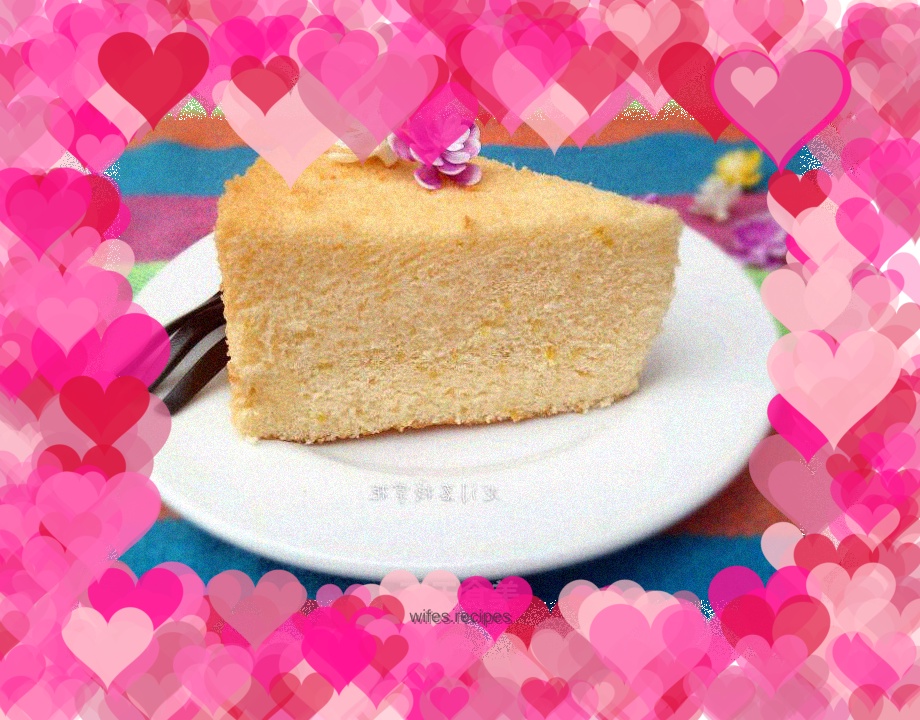
Overview
Lemon is rich in vitamin C, which not only has beauty and skin care effects, but also has antibacterial and immune-boosting effects. Many people throw away the lemon peel after using up the lemon pulp or juice. In fact, although lemon peel has fewer vitamins than lemon pulp, it still contains a lot of vitamin C. The smell of lemon peel is fragrant and makes people feel happy. Using lemon peel to make chiffon cake has a unique taste, and you won’t feel tired after eating a few more pieces. Now let’s start the journey of turning waste into treasure with lemon peels~ I finally succeeded after failing several hurricanes, so my recipe is a bit long, and I have written down all the details and things that need to be avoided. Don't think I'm verbose.
Tags
Ingredients
Steps
-
Weigh all the raw materials and sift the low-gluten flour 2-3 times.

-
Rub the lemon's rind with salt for a minute or two, then rinse it with clean water to remove the wax from the lemon's rind. After washing, dry the water from the lemon peel.

-
Scrape off the lemon zest with a spatula.

-
Scrape the white flesh off the lemon peel, otherwise it will taste bitter.

-
Finely chop the lemon zest. Cut it into as many pieces as you can.

-
Dry the two egg-beating basins and make sure there is no oil or water in the basins. And separate the egg whites and egg yolks and put them into basins respectively.

-
Use a hand whisk to beat the egg yolks, add 1/3 of the sugar and mix well.

-
Pour the oil into the egg yolks in three portions, stirring well each time and then putting it down again.

-
Pour the milk into the egg yolks and mix well.

-
Divide the sifted low-gluten flour into the egg yolk paste in three parts, and mix in a straight line from bottom to top. Be sure not to stir in circles, otherwise the flour will become gluten and will not rise. The flour must be mixed well each time before adding the next flour.

-
When sifting in the flour for the third time, add the lemon zest and mix together

-
The mixed egg yolk noodles become paste-like. The egg yolk paste is ready, set aside for later use.

-
Next, beat the egg whites. First, beat the egg whites at high speed with a whisk until large fish-eye bubbles form. Add the remaining one-third of the sugar.

-
Add a few drops of lemon juice. Keep fighting. At this time, you can preheat the oven. The oven preheating temperature is the baking temperature plus twenty degrees.

-
Beat the egg whites until they are slightly thick, then add the second sugar. Change the egg beater to medium to high and continue beating.

-
Beat the egg whites until they can form slight peaks and add the third sugar. The whisk continues to beat.

-
Stop and use a whisk to drag the egg whites out. If the egg whites form small hooks, it means wet foaming. I have to keep fighting. Stop and lift the whisk head every few seconds to take a look.

-
When you lift the egg beater, a short, upright tip can be pulled out. The egg white is done. Don't beat it again, otherwise it will become hard foam. If it becomes hard foam, Qifeng will be declared a failure.

-
Add one-third of the egg whites into the egg yolk paste, and mix evenly from the bottom up.

-
Pour the mixed egg yolk batter into the remaining egg white batter and mix quickly. The total process of cutting and mixing the egg white paste and egg yolk paste should be completed within one minute. (It would be better if it can be done faster, but be sure to mix it evenly, otherwise the chiffon will be granular) to prevent defoaming. After defoaming, the chiffon will not be so fluffy when it comes out.

-
Pour the mixed cake batter into the eight-inch mold, and use the bottom of a spoon to spread the batter evenly on the surface. Pick up the mold with your hands and shake it twice on the table. Place in preheated aca oven. Lower middle level, sixty minutes. Increase the heat to 140 degrees, lower the heat to 135 degrees, and bake for 30 minutes.

-
Bake for 30 minutes. The cake will rise slowly. When it reaches the highest point, the cake will fall back (the whole process takes about thirty minutes). At this time, you can increase the upper and lower heat to fifteen degrees and continue baking for twenty minutes. In the last ten minutes, watch the cake color. If the color is light, you can increase the heat by ten degrees. If the color is OK, don't move it and continue with the next ten minutes.

-
You can insert a toothpick into the cake before taking it out of the oven. If it is stained with cake batter when you pull it out, you need to bake it for a while. The re-baking time depends on the situation.

-
Immediately after the baked cake comes out of the oven, place it upside down on the grill. You can refer to my method. Place a baking rack on top of the baking sheet and place the cake directly on the rack. (Some people also say that you need to shake the food before taking it out of the oven. I asked a baking expert, but he said that it is not necessary at all, so I did not shake it this time. The facts show that it is OK without shaking). I also tried shaking it after taking it out of the oven, but it didn't seem to make much difference.

-
The inverted cake cannot be removed from the mold until it is completely cool. Unmold the cake with a paring knife or a molding knife. There will be some cake crumbs on the surface of the cake after it is removed from the mold. You can rub it off with your hands. That would look better. You can skip this step if you want to eat it yourself.

-
A friend said that the cut of the cake is not good-looking, and he introduced a very useful cake cutting technique. All you need is a piece of sewing thread.

-
Place the thread on top of the cake, hold both ends of the thread with both hands, straighten it a little, and pull it down from left to right. (Like a saw)

-
The delicious chiffon is ready.
