Northeastern rice porridge (polenta)
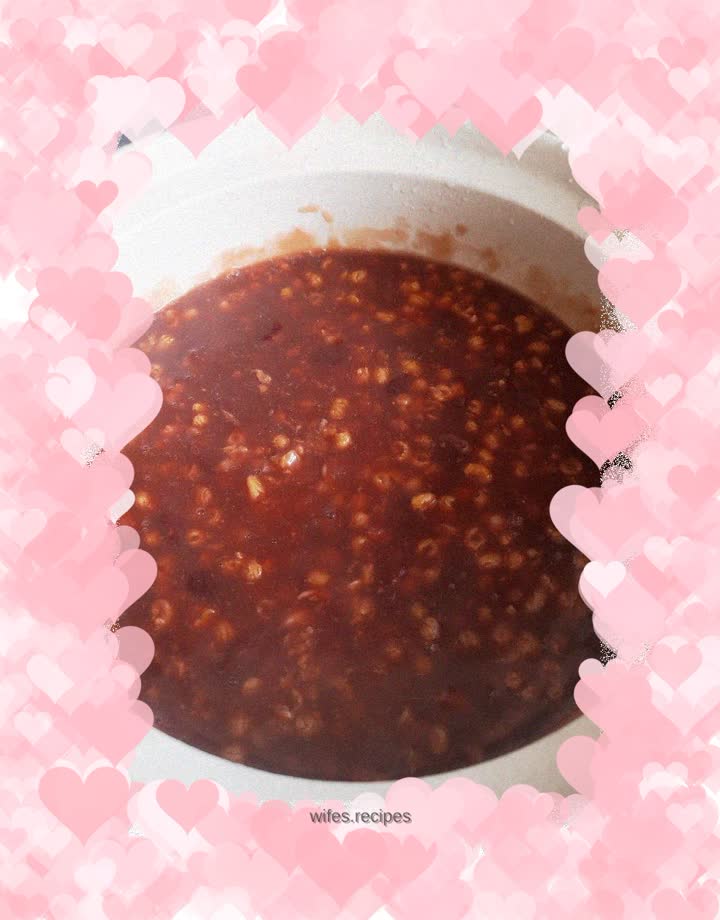
Overview
Since marrying a Northeasterner, I have discovered a lot of Northeastern delicacies. It turns out that old corn can still be eaten like this. In Northeastern dialect, it refers to large corn particles, which can be used to make rice porridge, rice noodles, and corn pancakes. It is a Northeast specialty food. When eating this kind of corn ingredients, such as cornmeal, rice noodles, and corn steamed buns, adding some alkaline noodles (baking soda) appropriately can release the bound niacin in the corn and turn it into free niacin. It also increases the viscosity and makes the taste softer and waxier. Corn foods with added alkali generally have a niacin release rate of 37% to 43%, and can also preserve vitamin B1 and vitamin B2, which is very beneficial to nutrition.
Tags
Ingredients
Steps
-
Wash the corn kernels and kidney beans and soak them for 8 hours respectively. Basically, soak them the night before and cook them the next morning.

-
Soaked kidney beans are plump and hydrated and can be crushed by hand.

-
Soaked corn is also easy to crush.

-
Put the two ingredients into the rice cooker.

-
Then add 5g of alkaline noodles (baking soda) and about 3 times the amount of water as the ingredients. The scale of the ingredients is at the 2 mark of the brown rice, and the water is added to the 6 mark.

-
The Iron Ax rice cooker I use uses the button to cook whole-grain rice, and it takes about two hours.

-
When the time is up, you can scoop it out and start eating. If you like sweet food, just add some sugar and mix well before eating.
