California Toast - You can enjoy it by making two at a time (for two 450g toast molds)
Overview
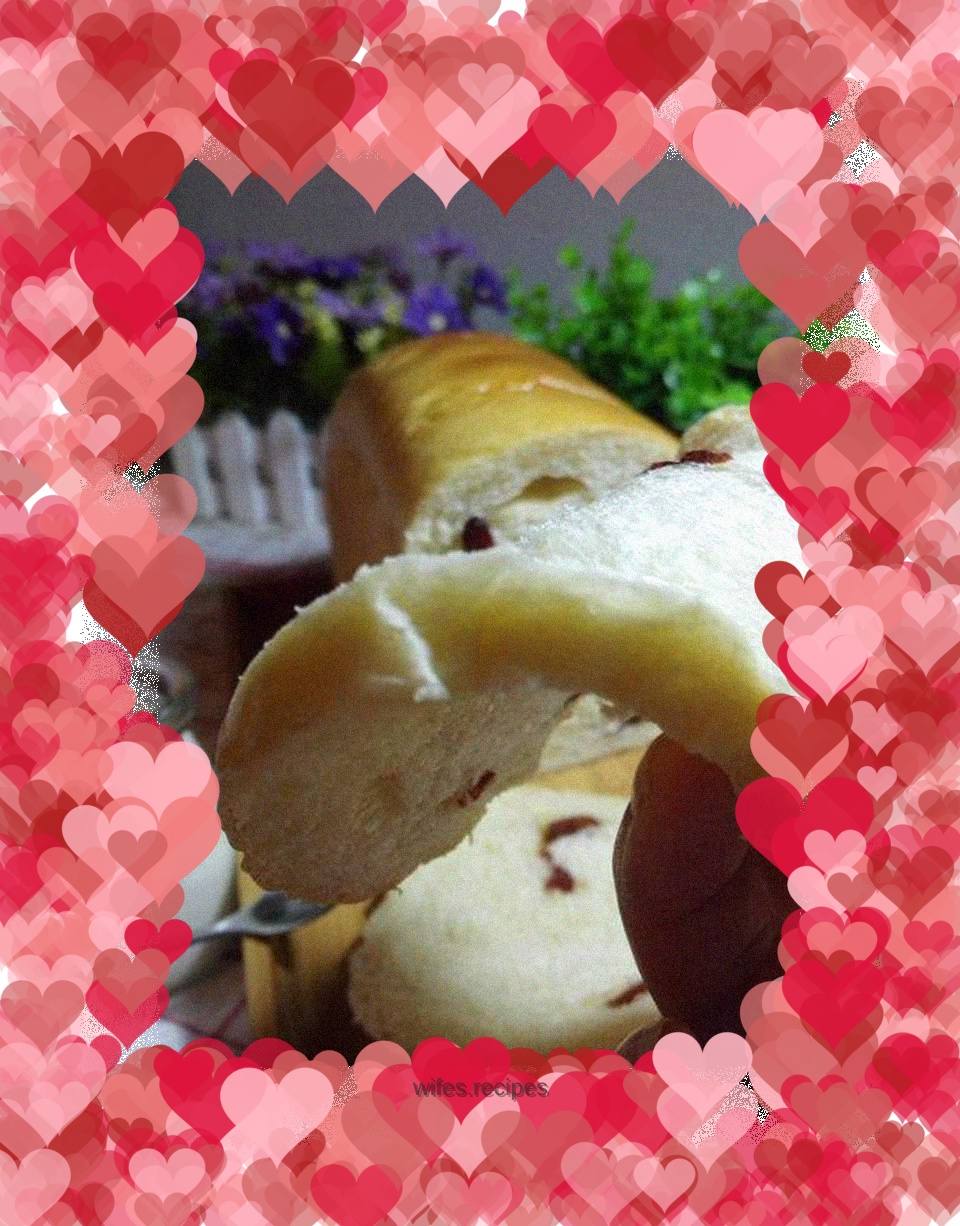
Toast is a type of bread that can be eaten in many ways. You can slice it and eat it with jam, or you can put it with ham and cheese to make a sandwich. If you find a good recipe, you can just tear it into pieces and eat it with your hands. It’s delicious! The California toast this time is a good recipe. It can be torn directly. The drawing effect is very good. It is soft and delicate. People like me who are not good at cutting toast prefer to tear it and eat it. My bread machine has been used for three years. Now it is not powerful enough and the dough is no longer as effective as making bread, so I have to knead the dough with my hands after using the bread machine. Fortunately, no one lives downstairs now, otherwise people would have to come up and look for me, haha!
Tags
Ingredients
Steps
-
Put the ingredients other than butter (do not add all the liquid at once, leave one-tenth to be added in the second step according to the situation) into the bread bucket, and use chopsticks to stir until there is no dry powder

-
Start the "dough kneading" program, pause the machine when the dough is kneaded into a ball, and knead the dough with your hands. If the dough is soft (softer than the dough used for steaming steamed buns), a small amount of batter on your hands indicates that the dough moisture is appropriate. Start the bread machine and continue kneading the dough; if the dough is dry, add liquid, be careful to add

-
After the "dough kneading" process is completed, cover the dough with plastic wrap and put it in the refrigerator for 20 minutes (because the machine will generate heat during operation, it is refrigerated to prevent the dough from starting to ferment prematurely. At the same time, refrigeration will also change and destroy the organizational structure of the dough, making it easier for the glove film to come out)

-
After 20 minutes, add softened butter and continue kneading the dough (note: it is softened butter, not melted butter)

-
Take out the dough, hold one end of the dough with one hand, and smash the other end of the dough on the table with the other hand 6 to 10 times. The dough will become longer and longer after being beaten. If the dough breaks as soon as you drop it, or becomes drier the more you drop it, it means the dough is not moist enough. Add water or milk, and be careful to add it little by little. Brush a layer of olive oil on the surface of the long dough, fold it in half and pound it 6-10 times, brush with oil again, fold it in half again, fold it again, fold it in half again, fold it again...and so on

-
When the dough becomes softer and softer as you drop it, and it has become very long and thin without breaking after being dropped for more than a dozen times. It will feel soft and elastic when you hold it, just like holding an under-inflated balloon. This is when the glove membrane is about to come out. At this time, you need to check the status of the dough at any time to avoid over-beating and tearing the gluten, which will waste all your efforts.

-
Some friends always say that dough cannot come out with a "glove film". In fact, modern bread machines are quite good and can generally produce a "glove film" dough. I guess the so-called "glove film" of dough is probably because you don't know how to pull out dough. Let me tell you a simple method: just put some oil on your hands, and then slowly stretch out the tip of the dough that has been dropped on the counter ten times with both hands

-
The dough will become thinner and thinner, and a large, almost transparent film that is not easy to break will gradually emerge. If you pierce the film, the edge of the hole will be smooth, which is almost it

-
Round the dough, put it back into the bread bucket, cover it with a piece of baking paper, flick some water drops on it with your hands, cover it with a wet towel, then cover the bread machine lid and let the dough ferment naturally.

-
I made two toasts this time. I like the sour and sweet taste of cranberries, so one is original and the other is with dried cranberries. While the dough is fermenting, soak the dried cranberries in rum

-
When the dough has risen to 2-2.5 times in size, dip your fingers in water (or dry flour) to poke a hole in the dough, and pull out your fingers. If the holes remain unchanged, it means it is fermented.

-
Take out the fermented dough, deflate it and divide it into 2 equal parts, and then divide one part into 3 equal parts. Gather into a round shape, cover with plastic wrap and let rest for fifteen to twenty minutes (cover with plastic wrap at this time to prevent the surface of the dough from drying out and forming a crust)

-
Roll the large dough into a rectangular pancake with a width about the same as the length of the toast mold

-
Turn the pastry over and press the bottom edge thinly. Remove the dried cranberries from the drying wine. Spread evenly on the pastry and roll it up from top to bottom

-
Place in a toast mold and cover with plastic wrap for the second fermentation

-
Roll the dough into an oval shape

-
Turn over and fold one-third from top to bottom

-
Fold it in half again to form three layers that are one third of the original size. The three small doughs are all done in this way

-
Turn the dough 90 degrees and roll it out again (roll it out slowly. If it is not easy to roll out, you can rest it for another fifteen to twenty minutes. Do not roll it out hard)

-
After turning over, press the bottom edge thinly, and roll it up from top to bottom (don’t roll it too tightly, roll it down loosely, just 2 and a half turns) and glue the bottom tightly

-
Place into a toast mold and cover with plastic wrap for the second fermentation

-
When it reaches 8 minutes full, brush a layer of egg wash on the surface of the dough

-
When I was preparing the ingredients, I beat an egg and poured it into the dough. I left an egg liquid at the bottom of the bowl and used it to brush the surface of the bread before baking

-
Place on the bottom rack of the oven preheated to 170 degrees and 190 degrees, and bake for 35 minutes at 165 degrees and 180 degrees. When the color is enough, cover it with tin foil to prevent the color from getting too dark
