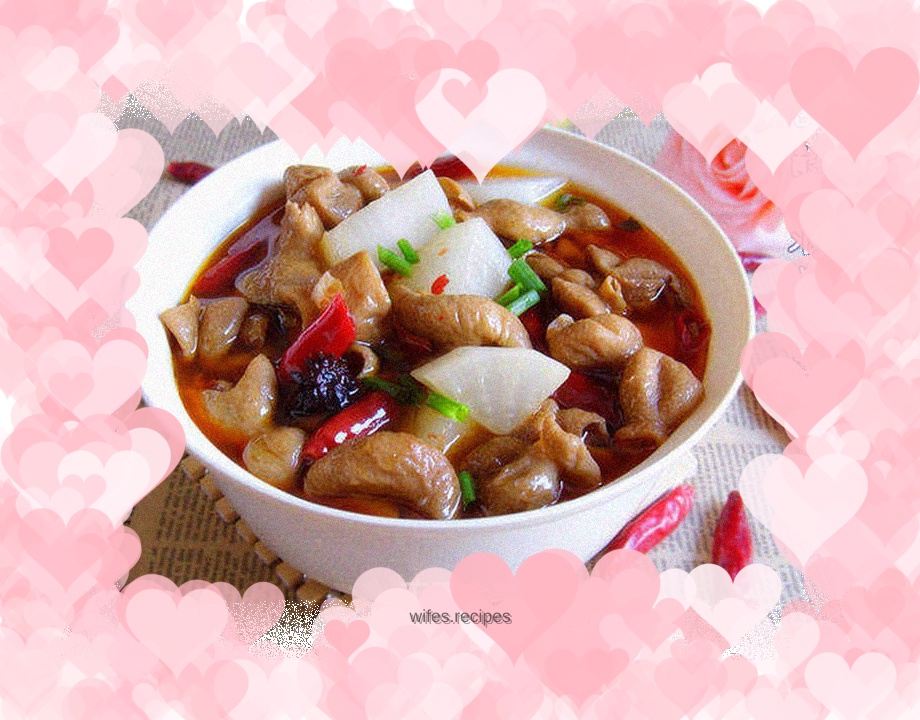
Chongqing casserole braised pork sausage
Overview
Eating is an attitude and a state of mind. When faced with delicious food, foodies can embrace all comers and achieve a state of calmness and calmness after smelling the fragrance. When it comes to eating, I have to talk about the Chongqing cuisine of my hometown. I really can’t say enough about it. My hometown is the beautiful mountain city of Chongqing, with green mountains and green waters, good mountains, good water and good food. Saliva chicken, salted duck, pickled pepper dry pot, twice-cooked pork, Maoxuewang, boiled fish, and braised fat intestines. There are too many. The one that stands out the most in my memory is braised pork intestines. This dish has been a snack since I was a child. When I was a child, my father always loved to buy fresh pork intestines and braise them to eat. The taste is still lingering in my mind, and several of us ate it till the bottom of the pot. It’s a good time to eat soup pot in winter. I can finally make this delicacy myself. Together with my beloved family, we can cook and chat while eating in this cold winter. It not only warms the body, but also warms the stomach, and even warms each other’s hearts
Tags
Ingredients
Steps
-
Turn over the fat intestines and remove the fat inside (this process is more difficult to complete, mainly because the smell is too strong. Since I washed the intestines this time, I have stopped eating them outside because I am always afraid that others have not washed them thoroughly). Then rub them vigorously with salt and flour several times, wash them with water and boil them

-
Remove and drain the water, and cut the sausage into sections. (In order to clean it, I split the intestines in half for easy cleaning)

-
Dried chili segments, dried Sichuan peppercorns, minced ginger, one cinnamon bark, 5 star anise, appropriate amount of fennel, garlic

-
Dried chili segments, dried Sichuan peppercorns, minced ginger, one cinnamon bark, 5 star anise, appropriate amount of fennel, garlic

-
This is the bean paste made by my mother (you can tell it’s spicy just by the color)

-
Put the oil into the pot and wait until it reaches 60% temperature. Saute the star anise, cinnamon, fennel and ground ginger until fragrant

-
Add the bean paste and fry until red oil comes out (I put two tablespoons of it, I prefer spicy food, and the home-made bean paste is not salty. If it is Pixian douban, don’t put so much. The Pixian bean paste is very salty. When adding it, try to see if the bean paste is salty...

-
Wait for the bean paste to stir-fry for a while, about 30 seconds, then add the garlic, dried chili segments, and dried Sichuan peppercorns (the reason for adding them later is that the dried Sichuan peppercorns and dried chili peppers will become mushy when added early. There is moisture in the bean paste, so it needs to be added first)

-
Then pour in the sausage and stir-fry evenly.

-
During this period, add seasonings: a spoonful of white wine and a spoonful of soy sauce. Pour into the fat intestines and stir-fry quickly (adding white wine is very important, it can help remove the taste of the fat intestines)

-
Pour into a casserole, add an appropriate amount of water, cover the pot and bring to a boil over high heat, then turn to low heat and simmer slowly until the intestines are tender. (about 1.5 hours)

-
Cut the white radish into large pieces.

-
When the sausage is almost simmered, add radish cubes, taste and add appropriate amount of salt.

-
Cook until the radish is cooked, then add an appropriate amount of oyster sauce and serve

-
When eating, add chives and serve

-
When eating, add chives and serve
