Japanese Rice (Mi Qi Zi)
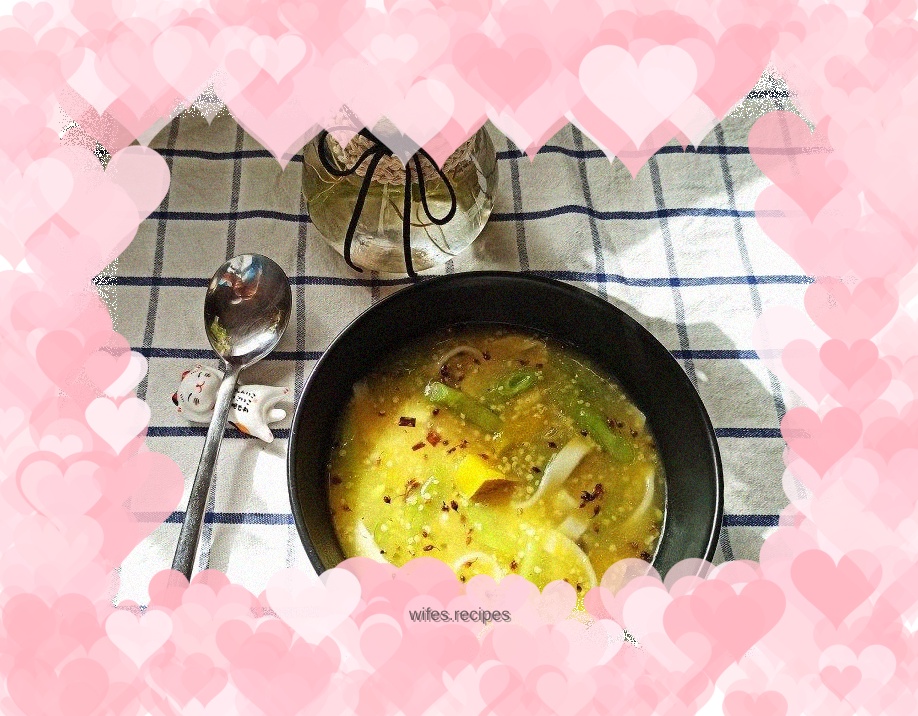
Overview
Hezi rice is also called Heze rice, Hezi rice, and Miqi in southern Shanxi. It is a famous traditional snack that is relatively common in Shanxi and Shaanxi areas, and is the most common breakfast and dinner recipe for local residents. Its basic combination is millet, potatoes, vegetables and various flour foods, which is the so-called blended rice. Due to regional differences, the preparation methods and auxiliary ingredients of Wazi rice in different places have their own characteristics. Some are mainly millet, with boiled sweet potatoes, yam eggs, soybeans, and batter; there are also half and half rice and noodles, with boiled pumpkin, cabbage, and mixed noodles; there are also ones with less rice and more noodles, and a lot of boiled radish strips. The low-level ones are called noodles and rice, the medium-level ones are called hezi rice, and the high-end ones are called Liujian vegetable porridge. Among them, wazi rice has the most variety due to the different auxiliary ingredients added. Hezi rice is made by mixing various materials together and cooking them with seasonings. It has a close relationship and internal connection with traditional Chinese medicine health care. Traditional Chinese medicine says: impartiality is called neutrality. However, the Hezi rice in Shanxi and Shaanxi areas has no priority and is also a delicacy that nourishes the stomach. The recipe is for dinner or breakfast for three people. You can adjust the taste according to your preference.
Tags
Ingredients
Steps
-
Just the right amount of homemade handmade noodles.

-
Add 1,200 grams of water to the pressure cooker. After the water boils, add 40 grams of washed millet. Cover and add the pressure valve. After the air is released, cook on low heat for 5 or 6 minutes. Turn off the heat and wait for the pressure to release naturally.

-
The cooked rice soup should be thin

-
Place the cut pumpkin pieces into the rice soup pot

-
Then add in the chopped bean segments.

-
Add soaked soybeans. If there are no soaked soybeans, add dry soybeans, but the dry soybeans should be added to the pot while the millet is cooking.

-
Cook until pumpkin and beans are cooked and soft.

-
Add an appropriate amount of hand-rolled noodles and cook until they are as soft and hard as you like.

-
Add a spoonful of oil to the wok, sauté the onions, ginger and garlic. Finally, add the Ma Mahua and stir-fry until fragrant. Turn off the heat, being careful not to burn it.

-
Pour into the rice.

-
Add appropriate amount of salt, five-spice powder, vinegar, chili oil, etc. Add these according to personal preference
