Fennel buns
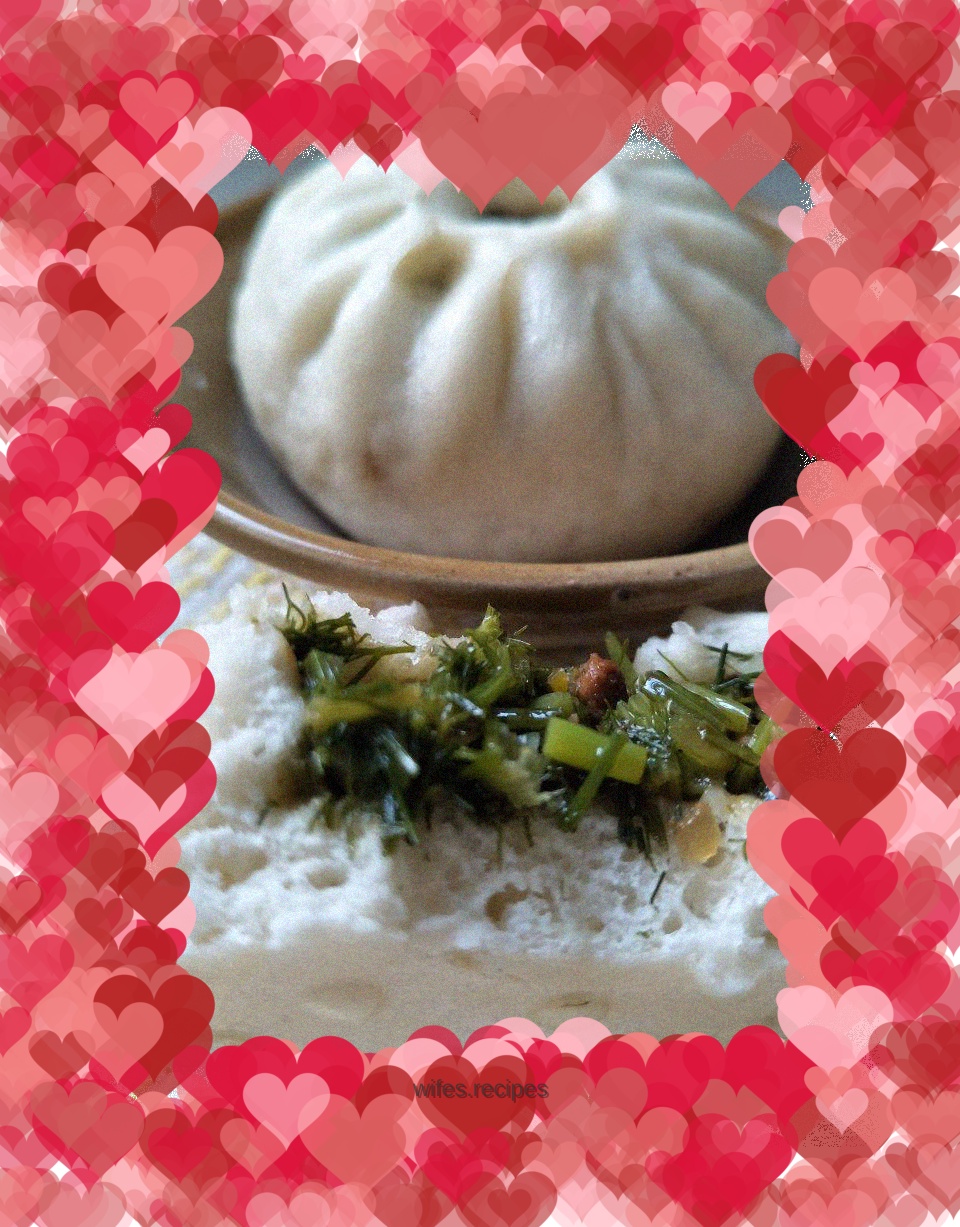
Overview
Fennel is also formerly known as Xiaohuaixiang, also known as coriander, fennel, fennel seeds, Guxiang (Sichuan, Guizhou), Mingxiang. The stems and young leaves of fennel can be used as vegetables and seasonings. Fennel is the dried and mature fruit of the plant fennel. It was first recorded in Tang Materia Medica. Su Song said that northerners call it fennel, and the similar sound means it is fragrant. Tao Hongjing said: When the smelly meat is boiled, a little bit of it is added, and there is no smell. The smelly sauce is also fragrant after being put into it, so it is called fennel. Li Shizhen said that there is a lot of folk customs about chewing Jinjin, fearing that it will be called fragrant, or this is why. The fruit (cumin) is used as a spice and for medicinal purposes, and the roots, leaves and whole plant can also be used as medicine. Fennel is rich in vitamins B1, B2, C, PP, carotene and cellulose. What gives it a special spicy smell is fennel oil, which can stimulate the nerves and blood vessels of the gastrointestinal tract and has the effect of strengthening the stomach and regulating qi, so it is an excellent vegetable to go with meat and fat. Fennel cooked with cooked food or soaked in wine can help relieve qi, dispel cold and relieve pain. Pound the raw leaves of fennel seedlings to extract juice and drink it or apply it externally to treat vicious carbuncles. Fennel is pungent and cold in nature. Eating food to appetize, regulate qi and dispel cold, and help Yang Dao.
Tags
Ingredients
Steps
-
Take 500 grams of flour, add 285 grams of water, and then add 2 grams of yeast, mix into a soft dough, and ferment until the dough has bubbles.

-
Cook appropriate amount of sweet potato vermicelli, drain and set aside.

-
Wash 350g of clean fennel seedlings and try to dry them as much as possible.

-
200g pork belly, cut into small cubes and try to separate the fat and leanness.

-
Heat the pan with cold oil, add a spoonful of 15g oil, fry 5 Sichuan peppercorns until fragrant, remove the Sichuan peppercorns and discard. Add the fat meat first, stir-fry to release the oil, then add the lean meat and stir-fry.

-
Then add a small spoonful of dark soy sauce and a large spoonful of cooking wine, stir-fry until most of the water disappears, remove from the pan and let cool.

-
Chop fennel sprouts and add a small handful of soaked vermicelli. Add a spoonful of sesame oil and mix well to prevent the vegetables from becoming watery.

-
Add the fried diced pork belly, appropriate amount of ginger powder, chopped sweet potato vermicelli, and 4g of salt and mix well.

-
Roll the dough into a long strip and cut into 16 or 17 pieces. Don't make it too big (the child was in a hurry to eat, so I cut it too big, 13 pieces😜😜😜).

-
I cut the buns too big at first, so I managed to wrap 3 of them, but it was too big, so I cut a piece off each bun, so I wrapped 15 in total. Therefore, it is more appropriate to divide a pound of noodles into 16 to 17 portions.

-
After wrapping, cover with cloth to save hair and let it rest until the bun becomes light. Steam in a pot with boiling water, and the steam timer will appear. This time I steamed them for 14 minutes, mainly because there were 3 relatively large buns. Normally I steamed them for 12 minutes. The low-fat buns do not need to be simmered, just turn off the heat and lift the lid.

-
The soft buns are out of the cage. It is not advisable to steam vegetable buns for too long, as the vegetables will turn yellow over time.
